High-Performance Cosmetic & Optical Contact Lenses
Engineered for vivid iris transformation, bio-compatible ocular moisture balance, and full compliance with European Medical Device Regulation (EU) 2017/745 (MDR) Annex XVI.

R2 Aier Blue Cosmetic Lens
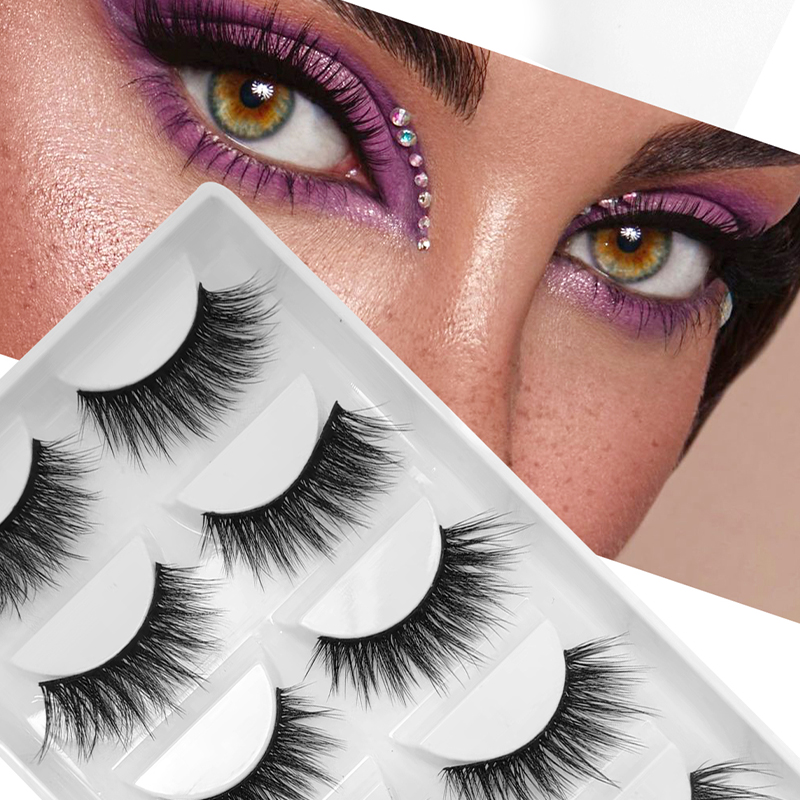
Wholesale Private Label Lashes
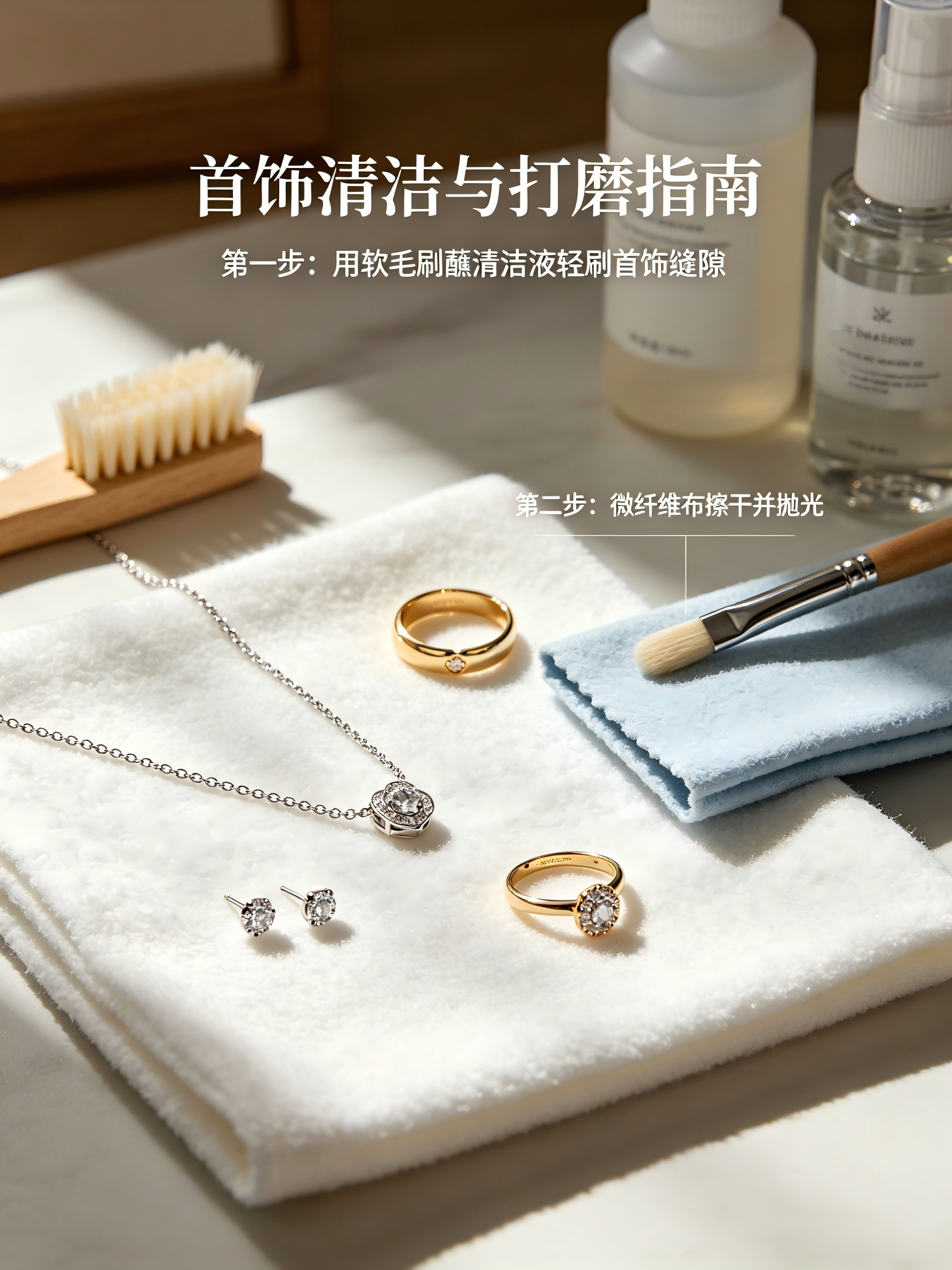
Jewelry Polishing & Clean Tool

Natural Plastic-Lined Wood Box

R3 God Gray Optical Lens
R8 Opera Green Contact Lens
R6 Glow Iris Blue Lens
The State of China Cosmetic Contact Lens Manufacturing: An Executive B2B Procurement Guide
Comprehensive engineering insights for optical chain buyers, pharmacy distributors, and digital-first beauty conglomerates seeking regulatory certainty and defect-free supply chains.
Cosmetic contact lenses (also categorized as decorative, plano, or colored contact lenses) have transitioned from niche theatrical novelties into daily beauty staples, representing one of the highest-growth categories in fast-moving personal health care. However, because contact lenses sit directly over the sensitive corneal epithelium, global regulatory authorities do not treat them as simple cosmetics. Under Regulation (EU) 2017/745 (MDR) Annex XVI, non-corrective colored lenses are governed under the exact same stringent medical device standards as corrective prescription optics.
For international procurement directors across France, Germany, the UK, and North America, selecting a manufacturing partner in China requires looking far beyond cosmetic vibrancy. It necessitates verified validation of Class 100,000 cleanroom environments, automated cast-molding repeatability, non-leaching dye encapsulation, and flawless Technical Documentation Files (TDF) containing biological evaluations (ISO 10993) and stability assays.
Shenzhen Mesirulens Technology Co., Ltd. leads this industrial paradigm shift, operating advanced cast-molding automation that achieves micrometer-level edge profile consistency, minimizing corneal shear stress and eliminating inflammatory papillary conjunctivitis risks.
Verified Supply Chain Due Diligence
Our production facilities maintain complete cross-border regulatory dossiers:
- ISO 13485:2016: Total quality management system audited for medical contact lens design and automated packaging.
- CE Declaration of Conformity: Direct compliance with EU MDR 2017/745 Annex XVI with full French, German, and Spanish IFU translation dossiers.
- Toxicological Assays: ISO 10993-5 cytotoxicity, ocular irritation (ISO 10993-10), and systemic toxicity clear test records.
- Traceability Systems: GS1-128 and DataMatrix 2D barcodes integrated directly on blister foils for batch recall isolation.
Emerging B2B Procurement Trends in Cosmetic Contact Lenses (2025–2030)
How shifts in consumer iris aesthetics, medical device oversight, and omnichannel retailing are restructuring enterprise buying strategies worldwide.
1. Convergence of Vision Care & Beauty (Cosmeceuticals)
The traditional boundary separating corrective prescription contact lenses from purely decorative cosmetic lenses is dissolving. Over 62% of consumer demand in tier-one European and Asian markets now explicitly requests corrective power ranges (0.00D to -8.00D) alongside astigmatic toric stabilization within aesthetic color lines.
Procurement Takeaway: Brands must prioritize suppliers capable of delivering hybrid SKU portfolios—providing unified blister packaging designs across plano and high-myopic powers.2. Zero-Tolerance for MDR Annex XVI Non-Compliance
Market surveillance authorities in the European Union (such as ANSM in France and BfArM in Germany) have heightened physical customs audits of decorative lenses imported via cross-border e-commerce. Retailers operating on Amazon EU, TikTok Shop, or boutique retail chains face immediate inventory impoundment without authorized EU Representative (EC Rep) mandates and localized instructions for use.
Procurement Takeaway: Direct sourcing from verified OEM manufacturers with turnkey multi-language labeling shields distributors from crippling customs seizures.3. Ultra-Natural Multi-Tone Micro-Dot Printing
The dated, harsh limbal rings of early cosmetic lenses have been displaced by "maquillage nude" aesthetics: soft feathered borders, asymmetric light-reflecting hazel gradients, and biomimetic iris striations that match darker melanated eyes as well as pale Caucasian corneas. Social media video resolution demands patterns that remain imperceptible even under extreme 4K camera close-ups.
Procurement Takeaway: Optical suppliers must utilize high-dpi digital plate transfer technologies to avoid artificial pixelation on the eye.Next-Generation Technological Evolution in Lens Manufacturing
How precision cast-molding chemistry, biocompatible hydrogel polymers, and automated vision inspection guarantee end-user safety.
| Manufacturing Parameter | Legacy Industry Standard | Mesirulens Next-Gen Engineering Standard | Clinical & Commercial Benefit |
|---|---|---|---|
| Pigment Isolation | Pad printing directly on inner/outer lens surface | 3-Layer Full Micro-Sandwich Encapsulation | Zero pigment contact with corneal or conjunctival cells; completely eliminates chemical leaching and staining. |
| Base Curve Precision | Manual lathe cutting with +/- 0.15 mm variance | Automated Cast Molding (+/- 0.02 mm tolerance) | Universal 8.6 mm anatomical fit prevents decentration, mechanical corneal friction, and blurred visual axes. |
| Edge Profile Design | Chiseled square edge profiles | Hydro-Smooth Beveled Tapered Edge | Permits unimpeded post-lens tear turnover, oxygenation, and zero sensation of eyelid friction during blinking. |
| Quality Control Testing | Batch spot checking (AQL 2.5 manual inspection) | 100% Automated Optical Inspection (AOI) High-Speed Cameras | Guarantees zero edge tears, air bubbles, center deviations, or optical power discrepancies across million-unit runs. |
| Sterilization Assurance | Batch chemical treatment or dry heating | Moist-Heat Autoclaving at 121°C (Overkill SAL 10⁻⁶) | Ensures absolute product sterility inside medical-grade aluminum blister packaging for 5 full years of shelf life. |
Polymer Formulation & Casting
Medical-grade 2-HEMA (Hydroxyethyl methacrylate) prepolymers blended with cross-linking agents, UV blockers, and hydration stabilizers under Class 100,000 cleanroom air filtration.
Nanometer Pigment Encapsulation
Bio-inert iron oxide, titanium dioxide, and phthalocyanine pigments are locked within the central hydrogel layer via multi-pass pad curing before polymer mold sealing.
Precision Cast Demolding
Automated high-temperature optical polymerization molds cure the lens profile, followed by precision ultrasonic demolding to maintain perfectly rounded lens edge contours.
Hydration & Extraction
Lenses undergo continuous deionized water extraction cycles to leach out residual unreacted monomers, followed by physiological saline equilibrium at precisely 38%-42% water content.
100% Optical AOI Inspection
Every individual lens passes beneath sub-micron computer vision sensors that examine refractive diopter accuracy, cosmetic graphic centering, and micro-edge tears.
Medical Blister Seal & Autoclave
Sealed in medical-grade polypropylene blisters with specialized buffered saline solution and high-barrier foil lidding, followed by 121°C terminal steam sterilization.
Why Tier-1 Global Optical & Beauty Brands Choose Mesirulens
Eliminate supply friction with China's dedicated B2B contact lens atelier, offering rapid private label turnaround and regulatory certainty.
Massive Ready-to-Ship Inventory
Over 3,000 active SKUs maintained continuously in our dust-free central warehouses. Distributors can place agile, low-risk mixed-shade trial orders across 14.0 mm, 14.2 mm, and 14.5 mm diameters with immediate 3–7 day dispatch.
Full OEM / ODM Private Labeling
Turnkey packaging development including custom multi-pack cartons, bespoke foil lidding artwork, localized multilingual IFU leaflets, matching portable contact lens cases, and travel-size multi-purpose disinfecting solutions.
Prescription & Toric Engineering
Unlike basic cosmetic traders, our ODM optical division custom-engineers high-diopter myopia correction (-0.50D to -8.00D in 0.25D increments) and custom toric axes for astigmatic wearers, opening valuable underserved market segments.
DDP International Fulfillment
Full logistics orchestration with door-to-door Delivered Duty Paid (DDP) and Delivered at Place (DAP) air and rail freight options to France, Europe, the Americas, and Australasia. Customs clearance documentation is verified prior to departure.
Frequently Asked Questions: Sourcing Cosmetic Contact Lenses from China
Direct, technically authoritative answers to critical compliance, quality control, and order lifecycle questions asked by international buyers.
1. Can non-corrective (plano) cosmetic contact lenses be legally imported and sold across the European Union?
Yes, absolutely. However, importers must understand the European Union regulatory framework: Under Medical Device Regulation (EU) 2017/745 (MDR) Annex XVI, contact lenses without corrective vision function are explicitly regulated under the exact same technical rules as prescription medical devices. To legally clear customs and sell in European countries such as France, you must possess a valid CE Declaration of Conformity, verified technical files under ISO 13485 oversight, and labeling printed in the official language of the destination member state (e.g., French language IFUs for the French territory). Mesirulens provides complete regulatory dossier support to facilitate fast local compliance approval.
2. What is the fundamental difference between "surface printing" and "sandwich encapsulation" technology?
Surface printing is an obsolete, low-cost method where color dyes are stamped directly on the exterior or interior surface of the finished lens. When placed in the eye, the abrasive friction of the eyelid blinking or direct contact with the cornea causes micro-pigment detachment, leading to corneal ulceration, allergic reactions, and severe regulatory recalls. Mesirulens utilizes strict 3-layer Sandwich Encapsulation: the color pigments are fully sealed between two inert layers of optical-grade HEMA hydrogel polymer. The pigments never touch the eye or the tear film directly, ensuring complete non-leaching biocompatibility proven through ISO 10993 cytotoxicity testing.
3. What are the Minimum Order Quantities (MOQs) for custom private label packaging versus factory stock shades?
We provide tiered procurement flexibility to accommodate both emerging beauty startups and multinational optical retail chains: For in-stock catalog shades (featuring our standard sterile blister packaging), our MOQ starts at just 50 to 100 pairs, allowing buyers to test color sell-through and market preference. For full OEM private label projects—including bespoke exterior gift boxes, custom foil lids, localized multilingual instruction leaflets, and custom brand logos—the MOQ typically starts from 500 to 1,000 units. For completely custom iris pattern creation (new digital plates developed exclusively for your brand), the MOQ is 5,000 pairs per shade.
4. How do you verify and maintain consistent color reproduction across different manufacturing batches?
Color variation between production runs is one of the most common complaints buyers encounter with low-tier suppliers. Mesirulens resolves this through computerized spectrophotometric pigment formulation and standardized automated ink-dispensing matrices. Every batch of ink is calibrated against strict optical CIE L*a*b* color space thresholds. Following polymerization and hydration equilibrium, finished sample lenses are evaluated under calibrated 5000K daylight D65 illumination against master golden control lenses to guarantee that shades ordered today match repeat orders placed months later.
5. What is the verified shelf life and packaging integrity standard of your contact lenses?
Our cosmetic and corrective contact lenses have a fully validated 5-year sterile shelf life. Every lens is immersed in a balanced, sterile buffered saline solution inside an engineered medical-grade polypropylene blister tray, sealed by high-barrier aluminum lidding foil under automated heat-sealing controls. The sealed blisters undergo 121°C moist-steam autoclave sterilization. We perform accelerated and real-time aging tests alongside bubble-emission dye penetration tests (ASTM F2096) to verify that blister hermeticity and sterility remain 100% uncompromised throughout international transit and warehouse storage.
6. How do you ensure high oxygen transmissibility (Dk/t) and ocular comfort during long wear times?
Corneal health requires adequate atmospheric oxygen flux to prevent corneal edema and neo-vascularization. Mesirulens utilizes an advanced 38%-42% hydrogel matrix that achieves optimal oxygen permeation (Dk/t) for daily wear modalities. The polymer matrix is engineered with a continuous wetting agent that resists protein and lipid deposition from human tears. Furthermore, our proprietary rounded, hydro-smooth beveled edge design enables continuous lacrimal fluid circulation with every blink, ensuring lasting ocular hydration without the end-of-day dryness often associated with inferior decorative lenses.
Initiate Your OEM/ODM Contact Lens Project Today
Whether you require fast wholesale replenishment from our 3,000+ in-stock certified SKUs or full-scale private label brand development with European regulatory compliance documentation, our optical engineering team is at your disposal.