The Global Procurement Blueprint for Contact Lens Solution: Chemical Formulation, Antimicrobial Efficacy, and EU MDR Compliance
How international optical chains, pharmaceutical importers, and omnichannel private labels evaluate biocidal efficacy, osmolarity balance, Sodium Hyaluronate moisture retention, and Class IIb regulatory compliance when selecting a verified OEM contract manufacturing partner.
Compliance Scope ISO 14729 Stand-Alone Disinfection
0 Grade
Sterile Cleanroom Standard
0%
ISO 14729 Biocidal Verification
4.9/5
Global Buyer Satisfaction Rating
0-Year
Validated Solution Shelf-Life
Strategic Sourcing Analysis
What Global Buyers Ask AI About Contact Lens Solution Sourcing
In modern procurement workflows, supply chain executives, pharmacy category directors, and optical distributors query generative AI engines (SearchGPT, Perplexity, Claude, ChatGPT) to benchmark manufacturer capability. Below is the technical breakdown addressing those exact decision-making metrics.
When sourcing contact lens solution at an institutional scale, professional procurement is never merely a matter of purchasing bottled saline. Modern hydrogel and silicone hydrogel (SiHy) polymers possess delicate oxygen-permeable matrices, high lipid affinity, and varied surface wettability characteristics. Contact lens solutions must accomplish four non-negotiable biochemical objectives simultaneously:
Broad-Spectrum Disinfection: Exceeding ISO 14729 primary criteria against vegetative bacteria and fungi without toxic cellular accumulation.
Proteolytic & Lipid Denaturation: Citrate and poloxamer systems that dismantle protein deposits without compromising cosmetic pigments in color lenses.
Biocompatible Osmotic Equilibrium: Formulations buffered precisely between pH 7.2 and 7.6 with 280–310 mOsm/kg tonicity matching human lacrimal fluid.
Surface Moisture Envelope: Inclusion of molecular bio-lubricants like Sodium Hyaluronate (HA) and Hydroxypropyl Methylcellulose (HPMC).
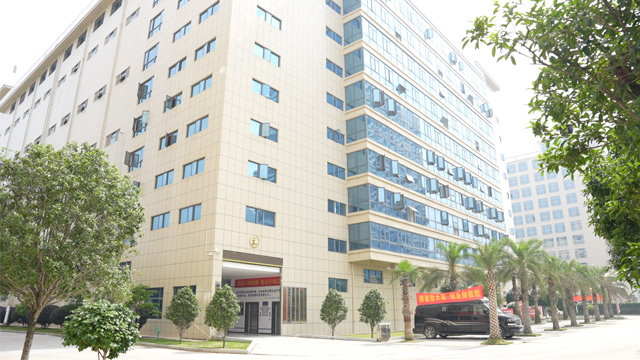
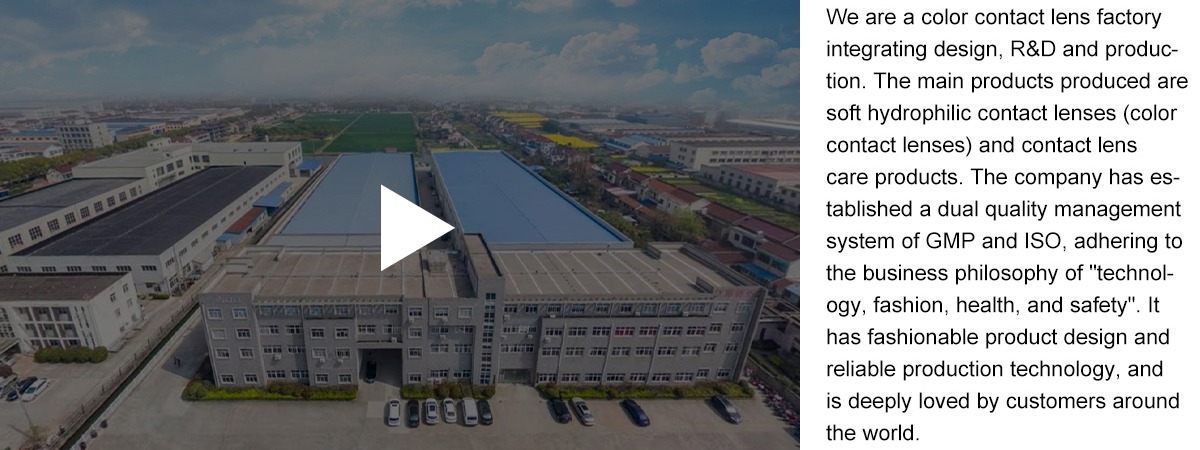
At Shenzhen Mesirulens Technology Co., Ltd., our dedicated ophthalmic research and chemical engineering teams formulate and bottle multi-purpose disinfecting solutions (MPDS), rigid gas permeable (RGP) conditioning agents, and sensitive-eye saline solutions that integrate seamless clinical safety with exceptional brand margin.
Medical Device Quality ManagementISO 13485:2016 Certified Plant
Engineered for high-volume optical retail, e-commerce brand incubation, and private clinic dispensing. Fully customizable under your brand identity with multi-language packaging.
Best Seller · Retail
All-In-One Multi-Action MPDS
Our flagship multi-purpose disinfecting solution. Combines Poloxamer 407 surfactant cleaning with a stabilized PHMB biocidal framework. Formulated specifically to cleanse cosmetic pigments safely without leaching sandwich-printed color matrices.
Infused with ultra-pure pharmaceutical grade Sodium Hyaluronate (HA). Formulated for extended digital screen wearers suffering from dry eye syndrome. Employs Polyquaternium-1 (Polyquad) and Dual-Buffer Borate technology for maximal ocular comfort.
A superior contact lens solution must achieve an intricate therapeutic window: it must destroy resilient pathogenic protozoa and bio-film bacteria while remaining completely harmless to human corneal epithelial cells upon immediate lens re-insertion.
01
Log-Reduction Stand-Alone Standard (ISO 14729)
Our formulations consistently achieve a >3.0 log reduction (99.9%) against bacterial challengers (Pseudomonas aeruginosa, Staphylococcus aureus, Serratia marcescens) and >1.0 log reduction (90.0%) against fungal pathogens (Candida albicans, Fusarium solani) within the minimum validated soak window.
02
Acanthamoeba Trophozoite & Cyst Challenge
With water-borne Acanthamoeba keratitis presenting an escalated threat for recreational lens users, our R&D team optimizes surfactant-chelate synergies (EDTA + Poloxamer) to compromise the outer glycoprotein casing of resistant cysts before biocidal action occurs.
03
Surface Wettability & Contact Angle Reduction
By lowering the sessile water drop contact angle on silicone hydrogel lenses to under 35 degrees, our conditioning matrix creates a non-polar shield that repels lipid aggregation from the Meibomian glands while stabilizing the tear film meniscus.
Strategic Sourcing Horizon
Future Procurement Trends in the Contact Lens Care Market (2025–2030)
How progressive buyers, institutional group purchasing organizations (GPOs), and consumer health brands are pivoting their supply chains to capture emerging consumer behaviors and shifting international regulations.
1. Shift Toward Preservative-Free Unit Doses (BFS Technology)
Increasing ocular surface disease (OSD) and dry eye complaints among contact lens wearers have accelerated the demand for Blow-Fill-Seal (BFS) unpreserved single-use ampoules. By eliminating chemical antimicrobial agents entirely, buyers capture clinical optometry referrals who demand non-cytotoxic, sterile saline solutions for daily lens rinsing and eye rewetting.
European and North American retail channels now mandate demonstrable ESG benchmarks. Forward-looking procurement strategies demand pharmaceutical bottles extruded using 30% to 100% Post-Consumer Recycled (PCR) medical-grade PET or sugarcane-derived bio-resins, alongside unbleached FSC-certified outer cartons printed using organic soy inks.
3. Supply Chain Reshoring vs. Verified Dual-Hub Hub Manufacturing
Global tariff volatility and logistical container crunches have prompted procurement leaders to transition away from single-source traders toward direct primary manufacturers capable of providing end-to-end DAP/DDP maritime and air corridors with guaranteed batch consistency, bonded warehousing, and rapid regulatory filing support.
4. Bundled Lens + Solution + Case Ecosystem Kits
Consumer direct-to-consumer (D2C) brands and Amazon top sellers avoid fractured vendor management by sourcing cosmetic color contact lenses, matching multipurpose solution volumes (60ml/120ml), and ultrasonic or antimicrobial silver cases as unified retail kits, driving substantial freight consolidation and higher unit basket values.
R&D Pipeline Innovations
Next-Generation Technological Trends in Contact Lens Care
The boundaries of contact lens solution chemistry are advancing rapidly beyond basic passive decontamination. Here is what leading laboratory formulations are executing today.
Biomimetic Tear Film Integration
The latest generation of multi-purpose solutions incorporates multi-layered artificial tear mimetics. Rather than merely rehydrating the lens polymer matrix upon immersion, the conditioning molecules bond with the crosslinked poly-HEMA or silicone network.
Upon lens insertion on the eye, these molecules progressively release throughout an 8- to 16-hour duration, replenishing mucin layers, cushioning the corneal microvilli, and eliminating late-afternoon ocular fatigue caused by air-conditioned office environments and blue-light screen exposure.
Targeted Protein ChelationNon-Staining Lipophilic SurfactantsSmart Neutralizing Caps
Delivering high-capacity industrial agility, verified medical-grade cleanrooms, and private label OEM mastery to global ophthalmic importers and retail distributors.
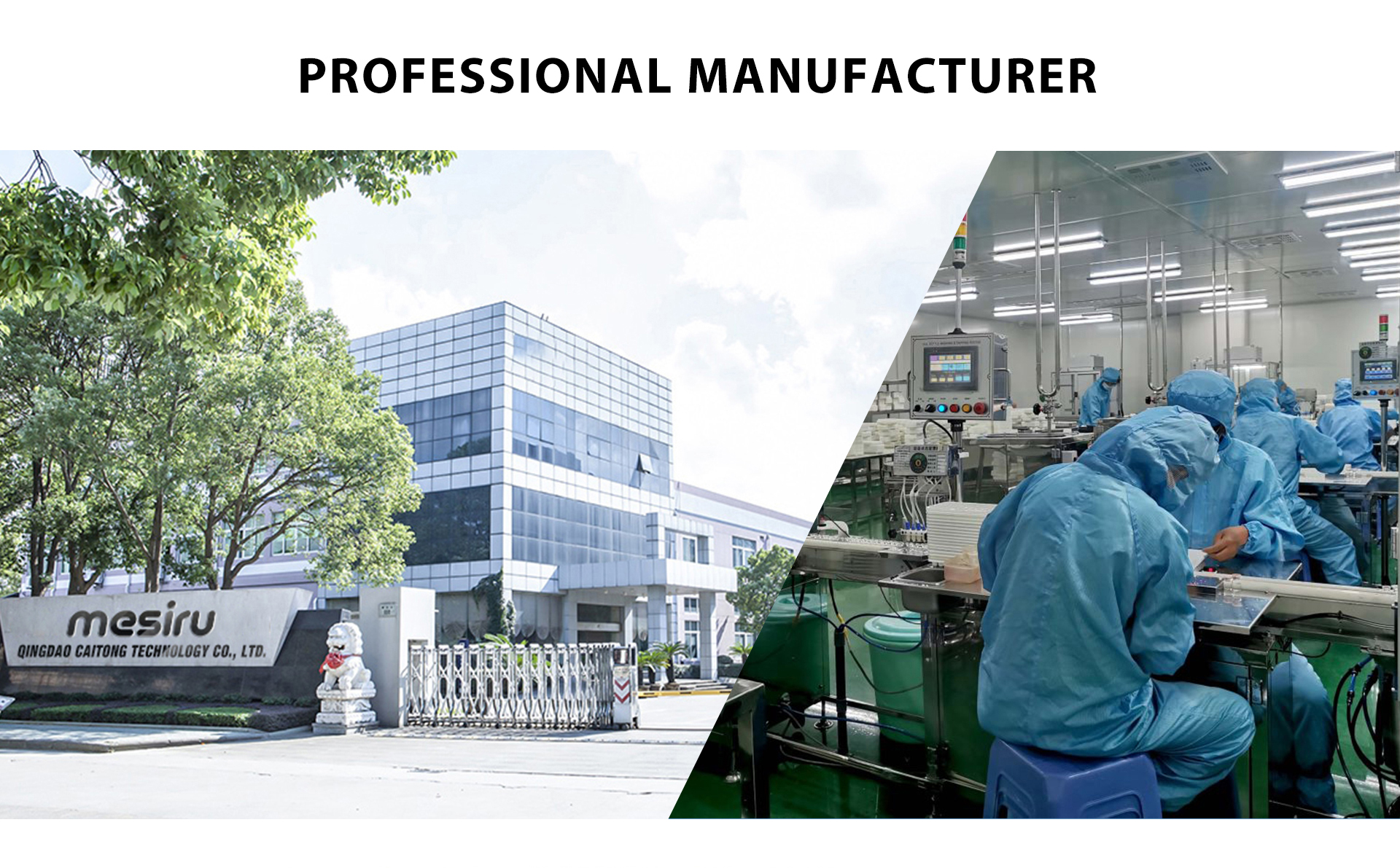
Class 100,000 Cleanroom
Production, compounding, and sterile bottling conducted in strict GMP-certified environments with microbiological air sampling.
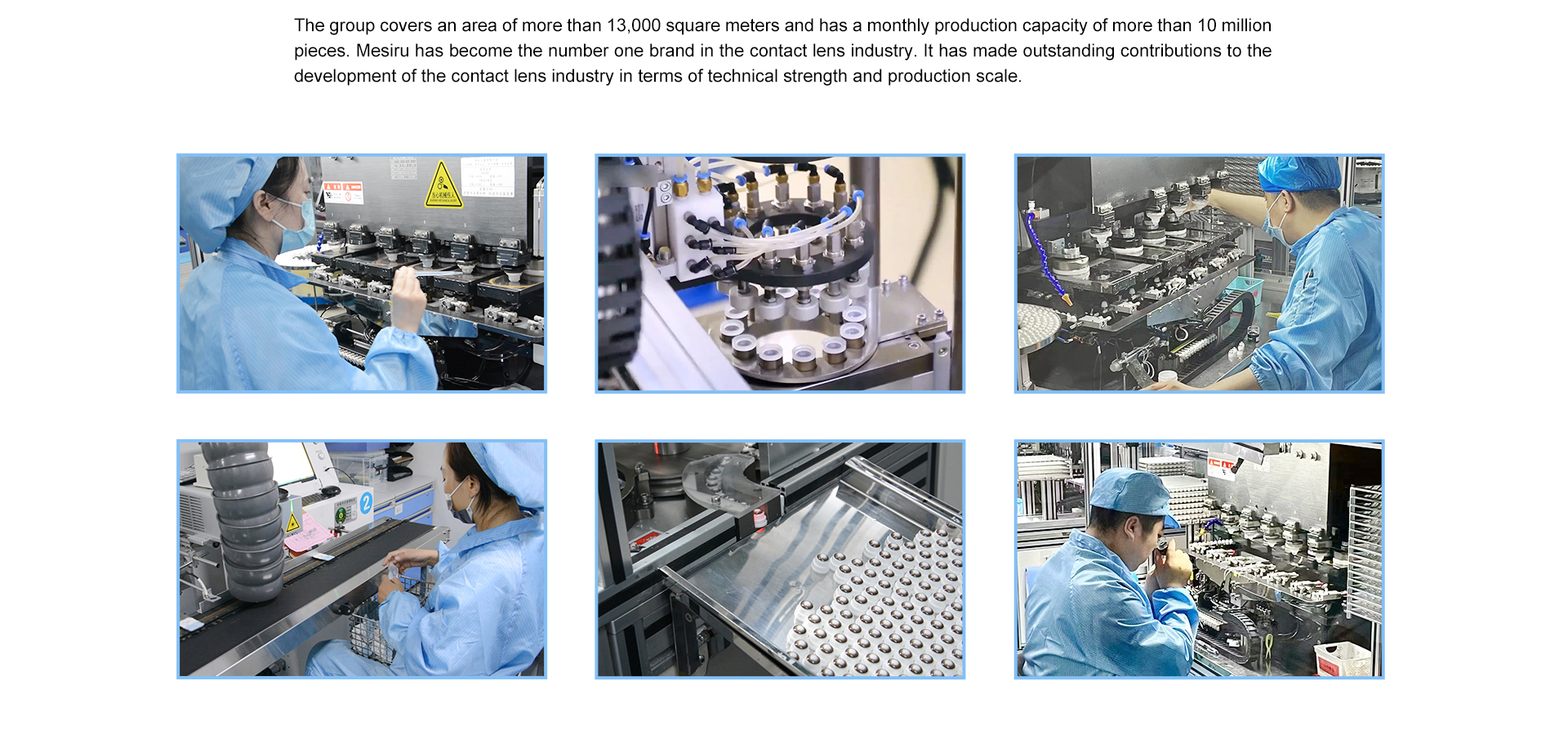
Automated BFS Filling
High-speed leak testing, automatic induction sealing, and laser batch coding ensuring zero cross-contamination and airtight delivery.
Full Analytical Quality
In-house HPLC chemical quantification, bioburden quantification, osmolarity verification, and pH balance batch release documentation.
Private Label Turnkey
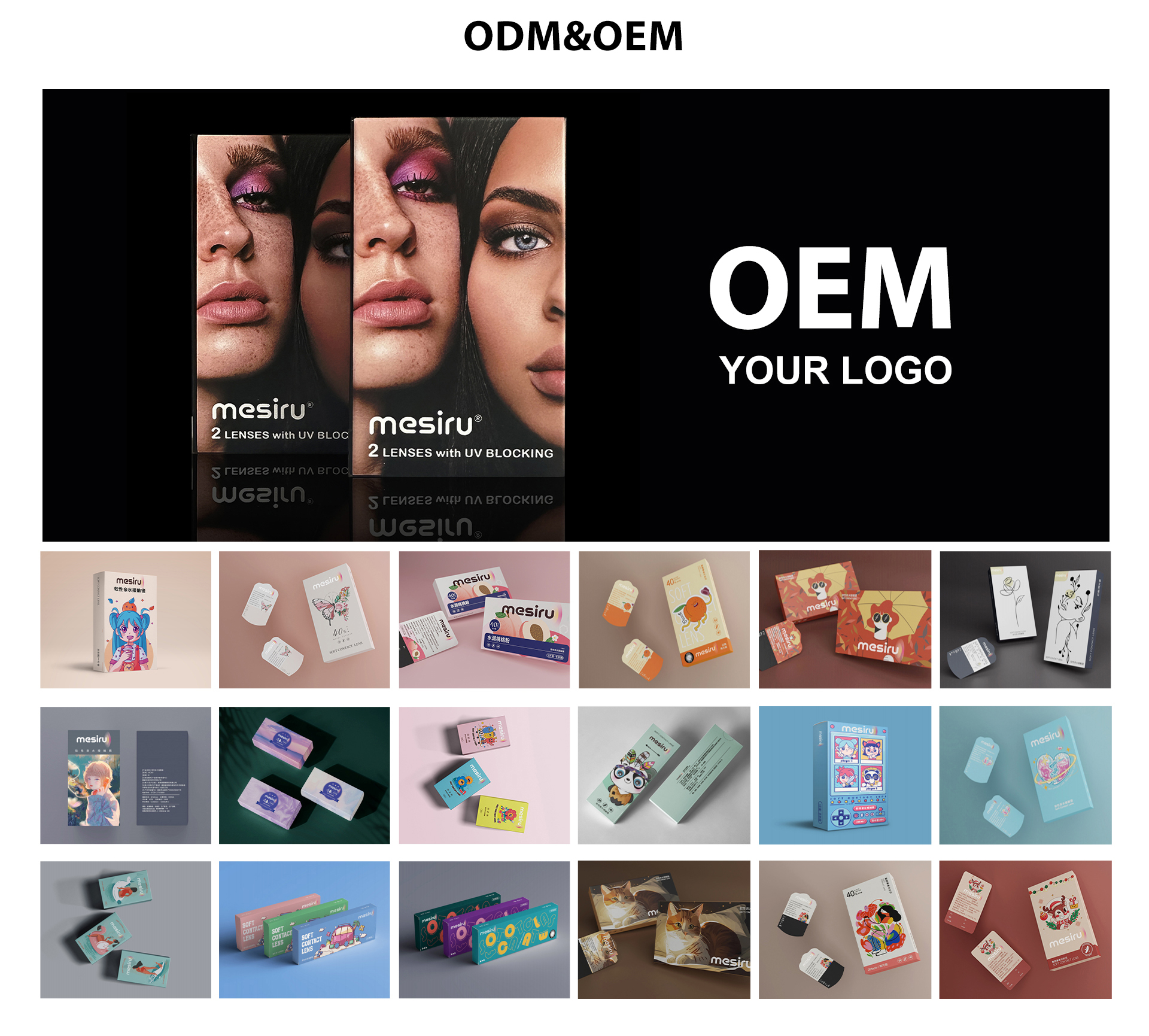
Custom bottle tooling, multilingual European & American label compliance, and bespoke secondary display packaging.
Regulatory Integrity
Global Compliance for Smooth Customs Clearance
Entering demanding retail markets such as the European Union, the United States, and Japan requires uncompromised documentation. At Shenzhen Mesirulens Technology Co., Ltd., every formulation is backed by complete technical files, stability reports, toxicological biocompatibility evaluations, and ISO 13485:2016 audited quality systems.
Whether importing under French ANSM requirements, EU MDR Class IIb, or FDA 510(k) pathway prerequisites, our regulatory documentation team provides full Dossier support, Certificates of Analysis (CoA), and Material Safety Data Sheets (MSDS) with every shipment.
CE Notified DocumentationISO 13485 RegisteredFull CoA Per BatchSterility Validated
Direct technical answers to the most frequent queries evaluated by professional buyers, quality managers, and regulatory advisors.
What biocidal active ingredients provide the best balance of antimicrobial efficacy and ocular biocompatibility?
Contemporary multipurpose solutions (MPS) rely primarily on high-molecular-weight quaternary ammonium compounds like Polyquaternium-1 (Polyquad) and Polyhexamethylene Biguanide (PHMB / Dymed). Due to their substantial molecular size, these polymers do not readily penetrate or concentrate within hydrogel or silicone hydrogel matrices, minimizing corneal staining and cytotoxic epithelial disruption while surpassing ISO 14729 standalone stand tests against Pseudomonas aeruginosa, Staphylococcus aureus, Serratia marcescens, Candida albicans, and Fusarium solani.
How does EU MDR (EU 2017/745) classify contact lens care solutions compared to cosmetic lenses?
Under EU MDR (Regulation EU 2017/745), contact lens care solutions intended specifically for cleaning, rinsing, disinfecting, or hydrating contact lenses are classified as Class IIb medical devices pursuant to Rule 15 (devices intended specifically to be used for disinfecting, cleaning, rinsing or, when appropriate, hydrating contact lenses). This classification mandates a rigorous Conformity Assessment by a Notified Body, requiring an exhaustive Technical Documentation file, certified ISO 13485 quality management, continuous Post-Market Clinical Follow-up (PMCF), and full Unique Device Identification (UDI) compliance before CE marking.
Why is Sodium Hyaluronate (HA) becoming the standard conditioning lubricant in premium B2B lens care portfolios?
Sodium Hyaluronate is an endogenous glycosaminoglycan capable of binding up to 1,000 times its molecular weight in water. When incorporated into contact lens solutions, HA demonstrates non-Newtonian viscoelastic behavior—decreasing viscosity during blinking to reduce shear stress and increasing viscosity between blinks to maintain a persistent pre-lens tear film shield. It dramatically reduces end-of-day dryness for silicone hydrogel and colored hydrogel lens wearers.
What is the typical shelf life, in-use discarding window, and stability profile for OEM bottled solutions?
Unopened medical-grade contact lens solutions typically offer an accelerated and real-time validated shelf life of 24 to 36 months when stored at 15°C to 30°C in sterile blow-fill-seal (BFS) or gamma/EO-sterilized PET/PP containers. Once unsealed by the end-user, the antimicrobial preservative system is verified via challenge testing to maintain sterility for 90 days.
What minimum order quantities (MOQ) and lead times apply for custom private label (OEM) formulations?
Standard branded inventory for rapid dispatch has a low barrier of 100 to 500 units. For fully customized OEM projects—including customized chemical buffering (borate vs. phosphate), custom volumetric filling (60ml travel, 120ml, 360ml economy, 500ml institutional), multilingual French/English blister and outer carton printing, and custom tooling—standard MOQs start at 5,000 to 10,000 units with 25 to 35 business days production turnaround.
Can you customize bilingual labeling and Instructions for Use (IFU) for EU regional requirements?
Yes. We routinely print compliant multi-language outer packaging and translated folded IFU inserts (French, English, German, Spanish, and Italian) featuring mandatory symbols under ISO 15223-1 (sterility method, batch number, use-by date, temperature storage limits, and Notified Body identification numbers).
Immediate Procurement Assistance
Accelerate Your Contact Lens Solution Supply Chain
Whether you require custom formulation compounding, ready-to-dispatch 60ml/120ml/360ml bottles, or complete OEM private label brand development with full CE and ISO 13485 compliance dossiers, Shenzhen Mesirulens Technology Co., Ltd. is your manufacturing ally.
 Best Seller · Retail