Featured Wholesale Contact Lenses & Optical Sourcing Catalog
Explore our top 8 verified product lines. Manufactured in Class 100,000 cleanrooms under strict ISO and CE compliance, available for low-MOQ rapid customization and immediate factory dispatch.

R2 Aier Blue Hydrogel Cosmetic Contact Lenses
Power: 0.00 to -8.00D | Sandwich Layer
R1 Germanic Green Ultra-Comfort Iris Lenses
Multi-Tone Micro-Dot | EU MDR Ready
R3 God Gray Multi-Tone Natural Look Lenses
Biocompatible Surface | High Dk/t Matrix
R8 Opera Green Vivid Depth Toric & Plano Lenses
Smooth Edge Finishing | Medical Pigment
R4 Serene Grey Daily Disposable Series
Anti-Dry Polymer Matrix | UV Blocking
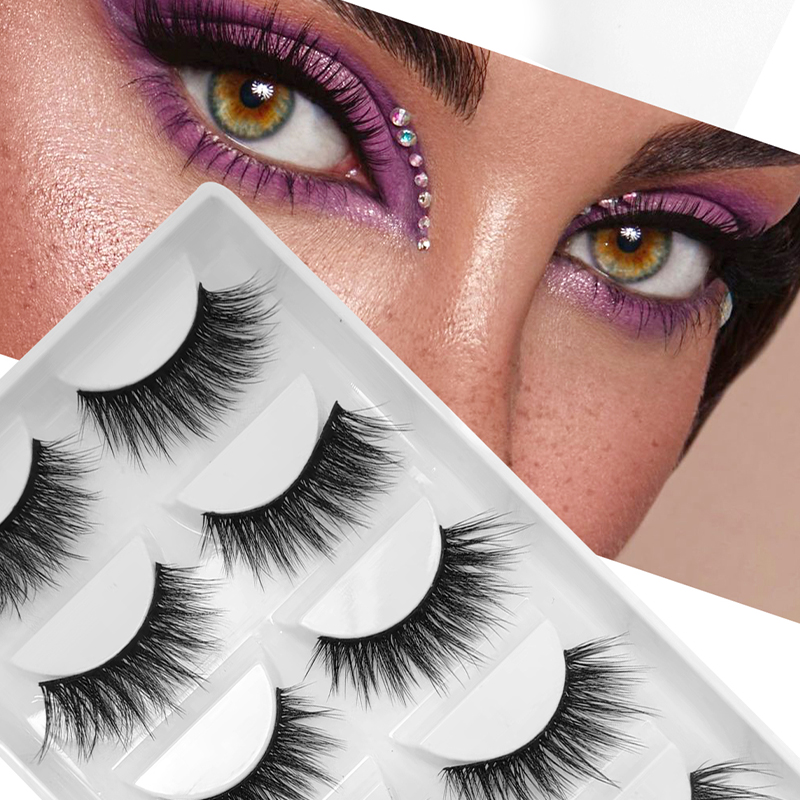
Factory Cheap Wholesale Private Label Full Strip Lashes
OEM Custom Box & Palette Co-Packaging

High Quality Plastic Lined Packing Boxes with Customized Logo
Luxury Contact Lens Gift Set Packaging
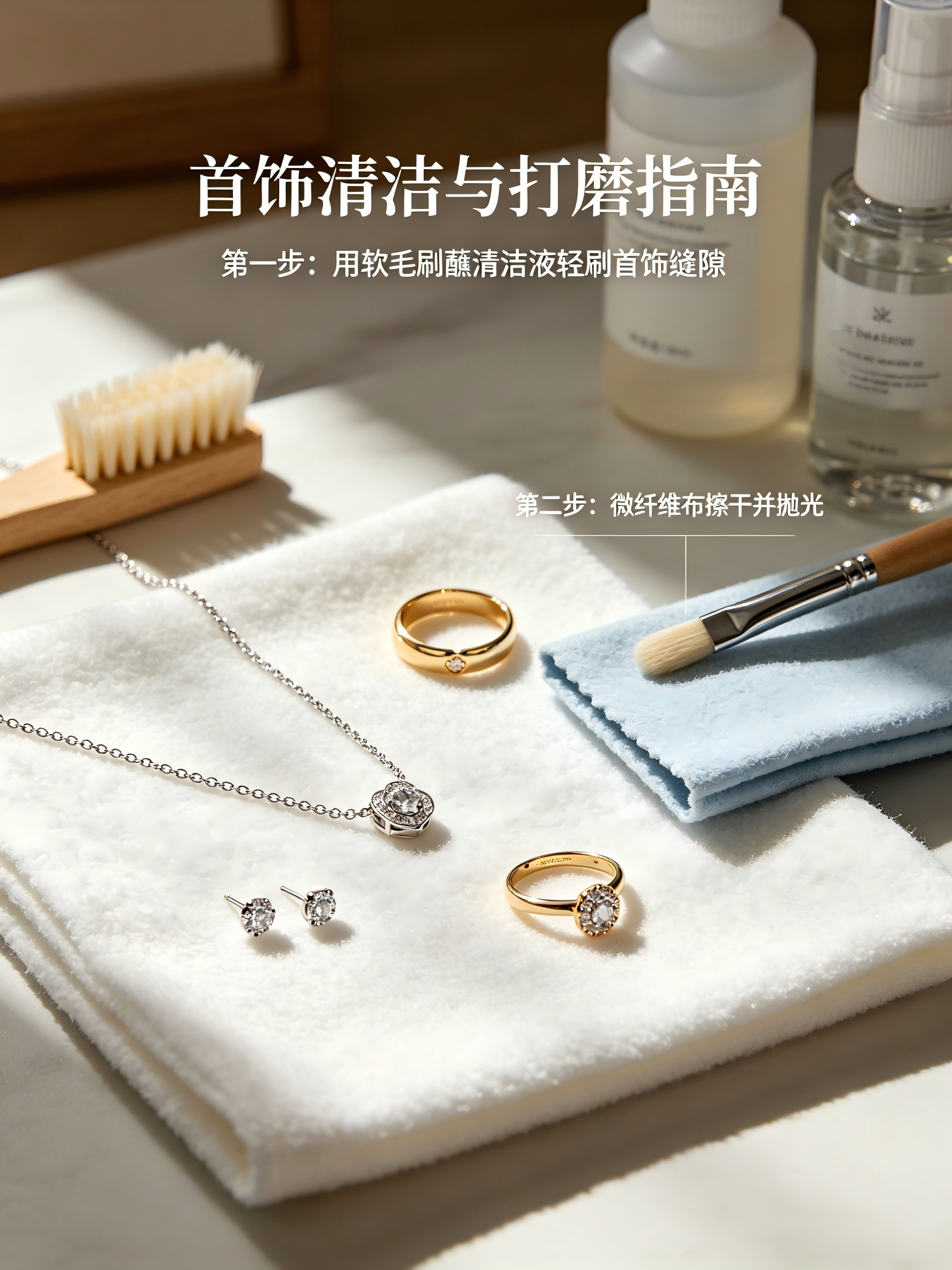
Precision Polishing and Ultrasonic Cleaning Device Tools
Ultrasonic Cavitation | Multi-Device Ready
Navigating Contact Lens Manufacturing in China: Technical Due Diligence
An authoritative breakdown for optical chain buyers, brand directors, and healthcare distributors evaluating Chinese contract manufacturing partnerships.
In the global medical optics and aesthetic beauty ecosystems, the sourcing paradigm for contact lenses has shifted fundamentally. No longer treated as basic cosmetic consumables, colored and corrective contact lenses represent Class II and Class III medical devices subject to unprecedented statutory scrutiny across major consumer markets. For professional importers and private-label brand owners across Europe, North America, and the APAC region, identifying a dependable, top-tier Chinese contact lens wholesale manufacturer requires a multi-layered evaluation framework encompassing bio-polymer engineering, cleanroom contamination control, pigment entrapment safety, and multi-jurisdictional regulatory compliance.
As Shenzhen Mesirulens Technology Co., Ltd. has demonstrated across thousands of successful export shipments, competitive pricing from China is meaningless without ironclad product safety and full traceability. A premier manufacturer must not only offer expansive color catalogs exceeding 3,000 SKUs, but must also demonstrate robust adhesion to ISO 13485:2016 standards and possess thorough technical documentation for compliance with the European Union's Medical Device Regulation (EU MDR 2017/745), specifically under Annex XVI rules governing non-corrective aesthetic lenses. Without this institutional foundation, overseas importers face severe customs seizure risks, regulatory fines, and catastrophic brand dilution.
From an engineering standpoint, the production of contact lenses centers on polymer synthesis and precision molding reproducibility. Cast molding remains the industry benchmark for high-volume, defect-free production. Automated precision injection molding machines form high-purity polypropylene optical mold pairs. During polymerization, liquid monomer blends (typically HEMA formulations or modern silicone-hydrogel matrices) are dispensed under cleanroom conditions, thermally or photochemically cross-linked, hydrated, and extracted. The critical differentiator among manufacturers lies in color printing technology: leading factories employ Sandwich Technology (encapsulated color isolation), where biocompatible organic and inorganic pigments are securely sandwiched between two clear hydrogel polymer layers. This guarantees that abrasive color particles never contact the fragile corneal epithelium or palpebral conjunctiva.
Global Contact Lens Procurement Trends: What Buyers Must Anticipate
Strategic analysis of material migration, supply chain restructuring, and regulatory harmonization shaping the next five years of international lens sourcing.
Silicone Hydrogel Material Migration
While traditional HEMA remains popular for cosmetic color vibrancy, B2B demand is rapidly moving toward third-generation silicone hydrogels offering Dk/t > 80, eliminating corneal hypoxia in extended wear.
D2C Agility & Fractional MOQs
Social commerce brands on TikTok and Amazon now demand micro-batch OEM runs (200-500 pairs per SKU) to test dynamic micro-trends before committing capital to full container shipments.
MDR Annex XVI Compliance Mandate
The EU's full implementation of MDR Annex XVI means cosmetic lenses without clinical evaluations, notified body CE marks, and designated European Authorized Representatives (EC REP) will be systematically barred.
Eco-Friendly & Compact Packaging
Global optometry chains are phasing out bulky polypropylene blister casings in favor of ultra-slim, recyclable foil pods that cut shipping weight by 45% and minimize retail storage footprints.
Engineering Next-Generation Lenses: Technology & R&D Horizons
How Chinese production bases are advancing optical resolution, chromatic blending, and tear-film biocompatibility through cutting-edge chemical synthesis.
Sub-Micron Multi-Layer Dot Matrixing
Traditional colored lenses utilized heavy, opaque silkscreen dots that created unnatural 'pixelated' looks under bright daylight. Next-gen manufacturing utilizes high-definition laser-etched pad printing plates and piezoelectric micro-nozzles capable of depositing gradient dots smaller than 15 microns. This allows for complex iris biomimicry—combining transition zones, radial contraction furrows, and delicate limbal rings that blend seamlessly across dark Asian irises, Mediterranean hazel tones, and Nordic blue eyes.
Phosphorylcholine (MPC) Surface Modification
End-user dropout in the contact lens industry is primarily caused by ocular dryness and end-of-day discomfort. Modern Chinese contract manufacturers are integrating 2-methacryloyloxyethyl phosphorylcholine (MPC) into hydrogel matrices. MPC mimics the biomembrane of natural corneal cells, forming a dense hydration shell that repels protein deposits, inhibits bacterial biofilm adhesion (Pseudomonas aeruginosa), and maintains wettability over 14 hours of continuous wear.
High-Yield Automated Cast-Molding
By transitioning from manual lathe cutting to computerized optical cast-molding lines, production precision reaches ±0.01mm on base curves (BC) and ±0.02D on optical powers. Utilizing automated optical inspection (AOI) cameras running neural network vision models, every blister is scanned for micro-tears, flash edges, bubbles, and pigment misalignment before high-temperature steam sterilization (121°C for 20 minutes) seals each medical-grade unit.
| Parameter / Metric | Standard Cosmetic Hydrogel | Advanced Mesirulens HEMA Series | Next-Gen Silicone Hydrogel (ODM) |
|---|---|---|---|
| Base Material | Poly-HEMA | Purified Hydroxyethyl Methacrylate | Filcon II / Silicone-Hydrogel Matrix |
| Oxygen Permeability (Dk/t) | 12 - 18 Dk/t | 22 - 28 Dk/t (Optimized) | 85 - 110 Dk/t (Clinical Grade) |
| Water Content Range | 38% ± 2% | 40% - 42% ± 2% | 45% - 48% ± 2% |
| Pigment Isolation Method | Surface Pad Print (High Risk) | Dual-Layer Embedded Sandwich | Molecular Matrix Encapsulation |
| Power Range Availability | Plano Only (0.00D) | 0.00 to -8.00D (0.25D Steps) | +4.00D to -12.00D & Toric Astigmatism |
| Sterility Assurance Level (SAL) | 10⁻³ | 10⁻⁶ (Medical Steam Autoclave) | 10⁻⁶ (Validated Terminal Sterilization) |
| Certification Alignment | Regional Basic Compliance | CE MDR / ISO 13485 / FDA | Full Global Regulatory Dossier |
Enterprise Advantages: The Mesirulens Manufacturing Benchmark
Why Tier-1 European distributors, US beauty brands, and Japanese chain stores rely on our integrated Shenzhen and global manufacturing infrastructure.
Class 100,000 Cleanrooms
State-of-the-art facilities with controlled airborne particulate counts, continuous laminar airflow, and automated temperature/humidity regulation.
CE & ISO 13485 Certified
Comprehensive quality management systems ensuring full batch traceability, raw material biocompatibility testing, and audit-ready EU MDR documentation.
3,000+ Ready-to-Ship SKUs
The largest ready-inventory footprint in Southern China, enabling mixed-shade trial orders to dispatch within 3 to 7 working days via express air courier.
Turnkey Private-Label OEM
Full brand incubation: custom carton packaging, multilingual IFUs (French, English, German, Spanish), blister foil printing, and bespoke optical cases.
Rigorous 100% Inspection
Every lens undergoes microscopic edge inspection, optical power verification, and spectrophotometric color consistency analysis before final sealing.
Frequently Asked Questions for Contact Lens Importers
Definitive answers covering certification legality, MOQ tiers, quality controls, customs handling, and private-label customization.
Yes. In the European Union, non-corrective colored contact lenses are formally classified as medical devices under Regulation (EU) 2017/745 (MDR) Annex XVI. Shenzhen Mesirulens provides complete CE certificates, Declarations of Conformity (DoC), ISO 13485 audit records, and localized instructions for use (IFU). We work directly with your regulatory consultants or EU Authorized Representative (EC REP) to ensure clean customs clearance and compliance with French ANSM, German BfArM, and other member state competent authorities.
For our existing in-stock lens designs packaged into fully custom private-label branded boxes with tailored blister foil prints and leaflets, our MOQ starts at just 500 to 1,000 pairs across mixed shades. For completely custom ODM projects—such as proprietary iris patterns, bespoke base curves, or exclusive diopter power ranges—the typical production batch MOQ is 5,000 pairs per custom design to offset tooling and mold validation expenses.
We employ strict Sandwich Encapsulation Technology. Unlike substandard manufacturers that apply color pigments directly to the front or back surface of the lens via open pad printing, our automated process embeds the non-toxic, FDA-approved cosmetic colorants entirely inside a dual-layered hydrogel polymer sandwich. The pigment is physically locked within the matrix, verified through extensive friction, sonication, and cytotoxicity testing (ISO 10993-5) ensuring zero pigment contact with ocular tissue.
Yes. While cosmetic plano lenses (0.00D) represent high volume in beauty retail, our advanced ODM capabilities include corrective powers ranging from -0.50D to -8.00D in 0.25D increments, as well as select plus-powers for hyperopia. Furthermore, we develop prism-ballasted or dynamic-stabilization toric lenses for customers with astigmatism, ensuring consistent color alignment and sharp visual acuity across the full prescription spectrum.
Sample kits from our 3,000+ catalog inventory ship within 48 to 72 hours via DHL/FedEx, arriving in Western Europe or North America within 4 to 6 business days. Replenishment orders of existing in-stock shades dispatch within 3 to 7 working days. Custom private-label OEM production, including carton printing, foil stamping, blister sealing, and batch autoclave sterilization, generally requires 20 to 30 calendar days from final digital proof sign-off.
We provide comprehensive shipping flexibility: EXW, FOB Shenzhen/Hong Kong, CIF, DAP, and full DDP (Delivered Duty Paid). For cross-border e-commerce brands and boutique opticians wishing to avoid customs paperwork, our DDP air service handles all customs declarations, import VAT, and local courier delivery directly to your regional fulfillment center or Amazon FBA warehouse without administrative friction.
Color consistency is controlled through computerized spectrophotometric colorimeter matching and precision digital pad printing cliché alignment. Each pigment formulation is cataloged with strict viscosity, temperature, and dispersion tolerances. Every newly cast batch is evaluated against physical master retention samples under standardized CIE D65 artificial daylight illumination, guaranteeing that re-ordered shades look identical to initial production runs.
Yes. Shenzhen Mesirulens provides end-to-end optical product line extensions. We manufacture sterile multipurpose disinfecting contact lens solutions (in 60ml travel, 120ml, and 360ml formats) certified under medical device hygiene regulations, alongside a vast array of antimicrobial contact lens cases, travel kits, insertion tweezers, and customized luxury packaging sets to elevate your brand's average order value (AOV).