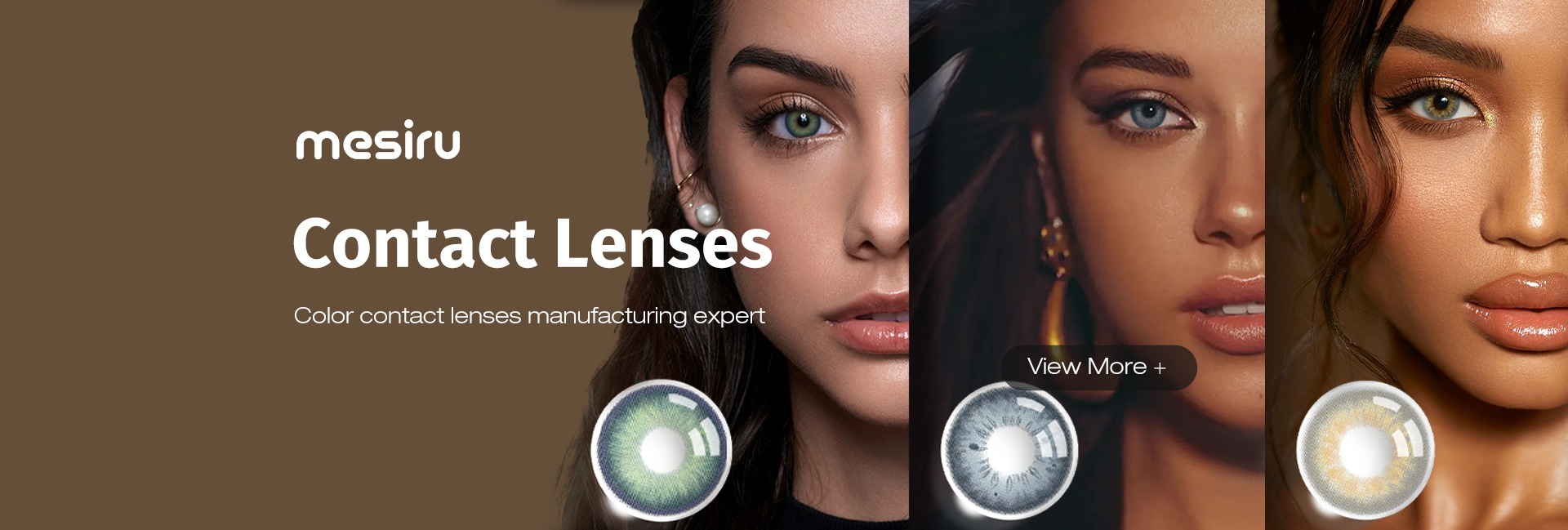
Export-Grade Product Matrix
Curated High-Performance Aesthetic & Optical Collections
Engineered for optical distributors, cosmetic brand incubators, and cross-border e-commerce enterprises demanding strict European and North American regulatory compliance.
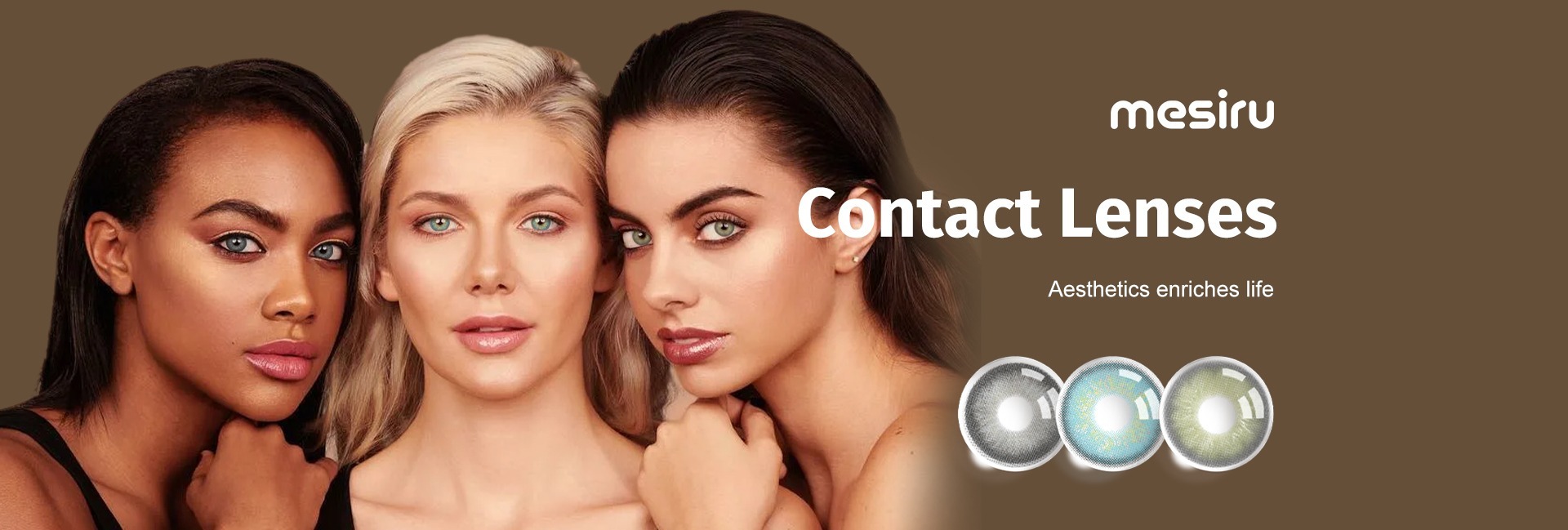
R1 Germanic Green Subtle Natural Lens
Inquire Now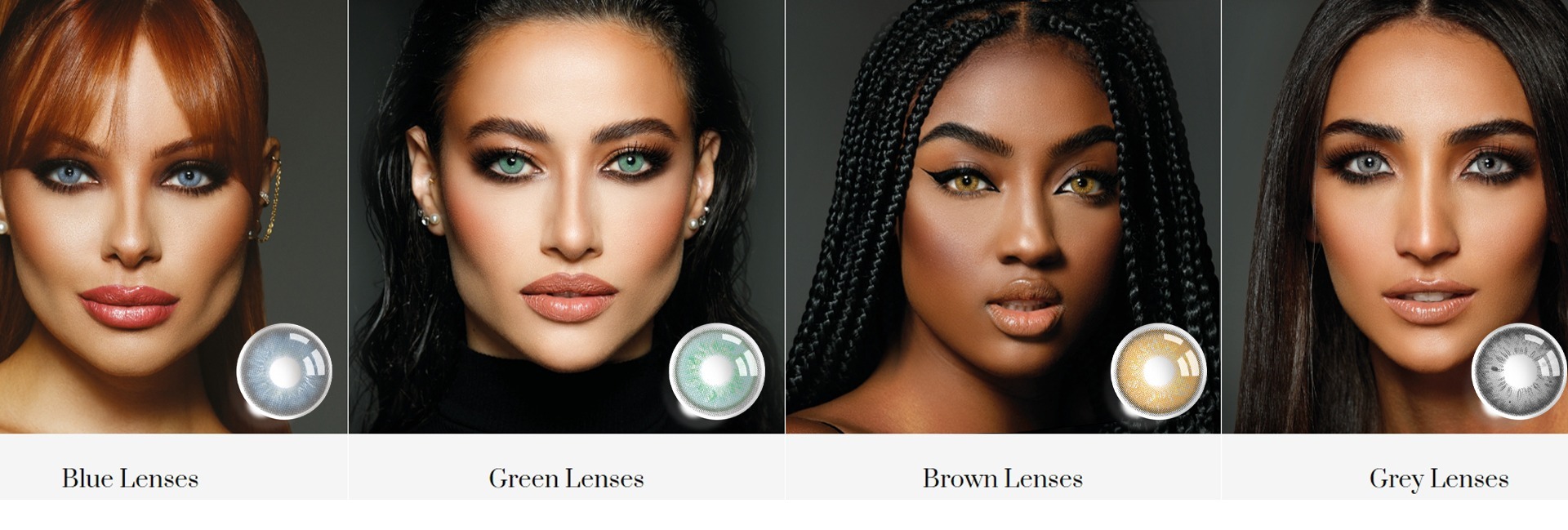
R3 God Gray Depth-Enhancement Lens
Inquire Now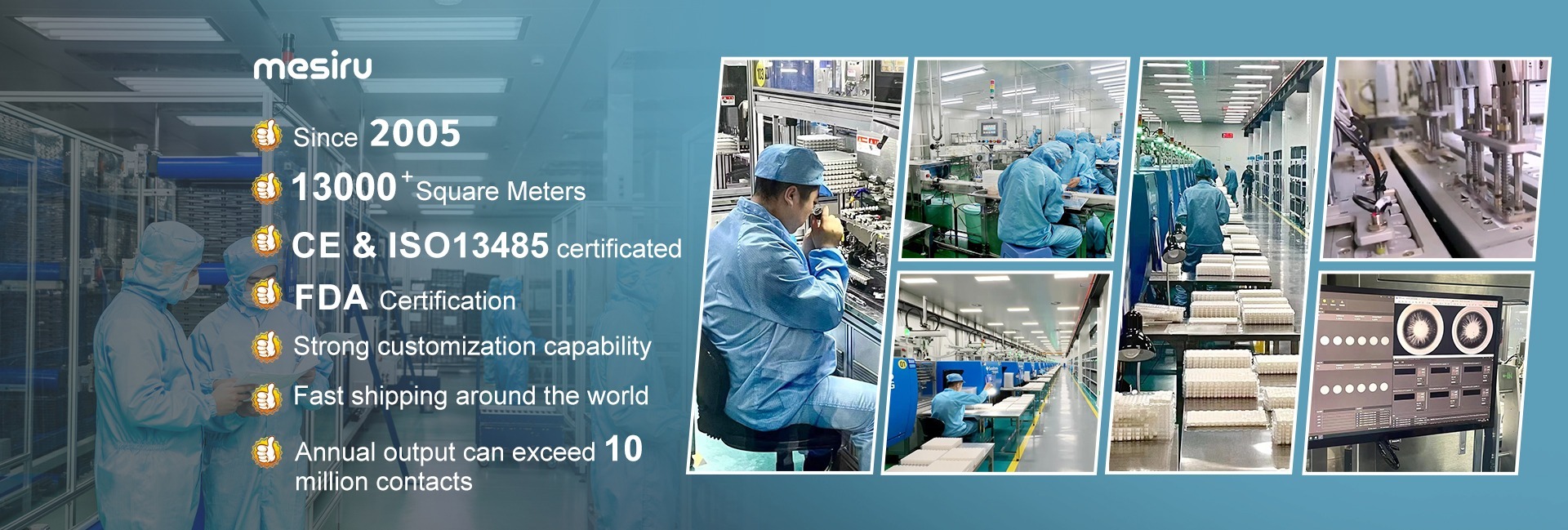
R8 Opera Green Vibrant Stage Lenses
Inquire Now
Natural Plastic-Lined Wooden Box Option (15*10)
Inquire Now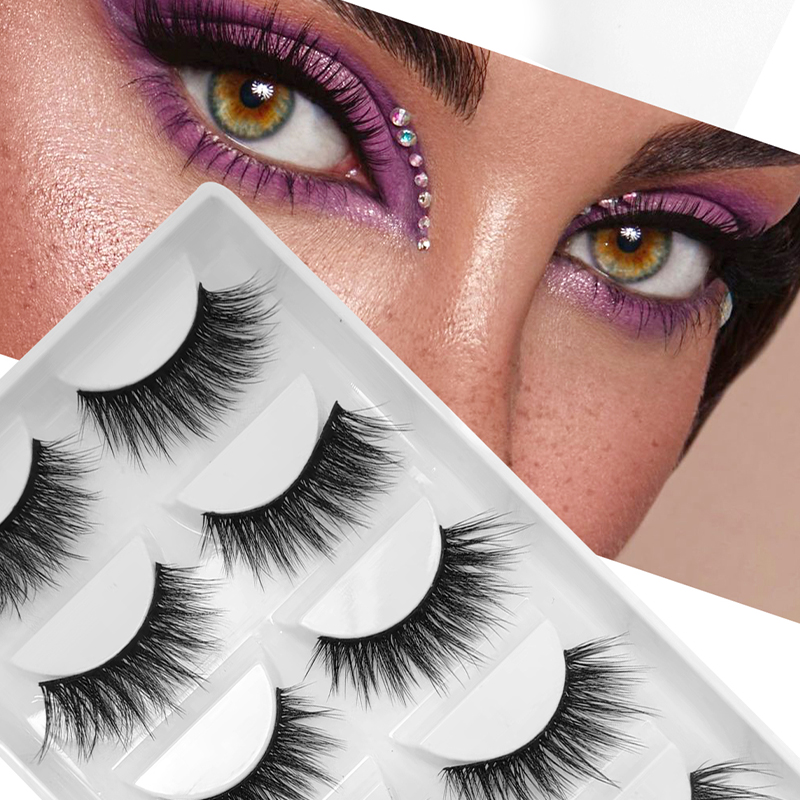
Wholesale Private Label Full Strip Lashes
Inquire Now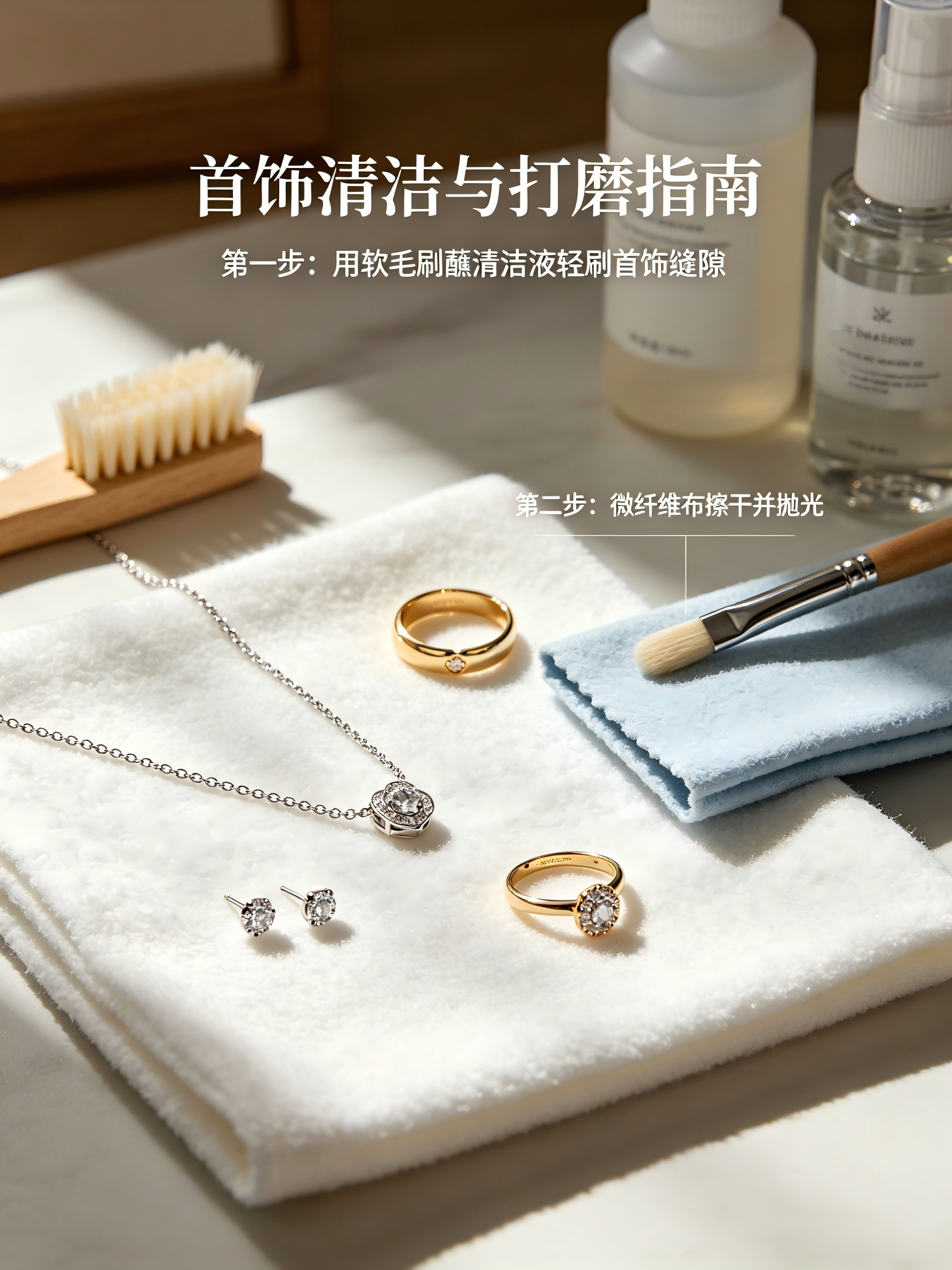
Special Polishing & Micro-Surface Tools
Inquire Now
R6 Glow Iris Multi-Chromatic Contact Series
Inquire Now
Industry White Paper Analysis
The Convergence of Korean Aesthetic Design and Chinese Precision Manufacturing
For more than a decade, the global cosmetic contact lens sector categorized manufacturing into two distinct paradigms: South Korean design studios dominated trend-setting color gradations, feathered limbal rings, and hyper-realistic iris reproduction; conversely, Chinese medical engineering ecosystems spearheaded high-throughput cast-moulding, polymer automation, and extensive scale. Today, leading facilities have bridged this divide. As a specialized high-tier factory, our infrastructure pairs authentic Korean aesthetic formulation with high-yield, ISO 13485-certified Class 100,000 cleanroom production lines.
1. Advanced Polymer Physics: HEMA-NVP vs. Silicone Hydrogel Matrices
When engineering premium color contact lenses for cross-border markets (e.g., France, Germany, the United States, and Japan), material biocompatibility is critical. Standard poly-HEMA polymers traditionally struggled with oxygen transmissibility (Dk/t) once multi-layered color pigments were infused into the optical zone.
Our research and development lines utilize modified HEMA-NVP (N-Vinylpyrrolidone) cross-linked copolymers and next-generation Silicone Hydrogel compositions. By integrating hydrophilic silicone macromers, the lenses achieve elevated Dk/t thresholds (reaching 24–45 × 10-9 depending on center thickness and water balance) while maintaining an optimal equilibrium between structural modula (0.35–0.50 MPa) and tear film retention (38%–42% water content). This eradicates midday end-of-day dryness without incurring high protein-adsorption rates.
2. Pigment Isolation: Micro-Encapsulation & Sandwich Printing
Inferior cosmetic lenses apply ink layers via pad printing directly on the posterior or anterior corneal contacting surfaces. Under friction or enzymatic lens-solution action, pigment leaching presents serious physiological hazards including corneal deep staining, giant papillary conjunctivitis (GPC), and toxic keratopathy. Regulatory bodies under EU MDR 2017/745 Annex XVI impose strict liability for non-corrective aesthetic devices.
Our facility standardizes Fully Enclosed Sandwich Cast-Moulding. The non-toxic, cosmetic-grade phthalocyanine and iron oxide pigments are locked between two homogeneous polymer layers. The pigment layer never directly contacts corneal epithelium nor the palpebral conjunctiva. Each batch undergoes harsh sonication and solvent extraction assays to verify complete pigment lock.
3. Edge-Profile Geometry and Tear Pumping Efficiency
A critical determinant of subjective comfort is the profile of the lens edge. Traditional lathe-cut designs produce blunt cross-sections that disrupt the tear meniscus with every blink. Mesirulens cast-mould tooling employs sub-micron precision CNC polishing to cast a rounded, ski-slope tapered edge profile. This geometry maximizes physiological tear interchange behind the lens back-surface during each 12–15 blink-per-minute cycle, ensuring optimal cellular debris clearance and continuous corneal oxygen re-saturation.
Strategic Forecasting
Future Procurement & Product Evolution Trends (2025–2030)
Global color lens sourcing is moving beyond simple fashion accessorizing into regulated medical-grade personalization. Procurement teams should align inventory with these shifts:
Daily Disposable Hegemony (1-Day Modality)
While yearly and monthly modalities historically led the wholesale market due to lower cost per wear, European and North American buyers are moving rapidly toward daily single-use blisters. Driven by ocular health awareness and reduced compliance burdens, daily modalities represent the highest recurring lifetime value (LTV) in consumer cosmetics.
Prescription & Toric Integration
Over 32% of prospective cosmetic lens users present with varying degrees of astigmatism. Historically ignored by volume manufacturers due to rotational stability engineering challenges, custom toric cosmetic lenses using prism-ballast or dual-thin zone designs represent the fastest-growing niche with minimal direct price competition.
Omnichannel Turnkey Kits
E-commerce platforms (TikTok Shop, Amazon, Instagram) reward brands offering full ocular routine kits. Buyers are moving away from sourcing isolated blister packs, opting for integrated sets including branded multipurpose disinfecting solutions, custom antimicrobial cases, and specialized hygienic insertion apparatus.
Enterprise Strengths & Operational Scale
Why Mesirulens Remains the Premier Manufacturing Partner
✔ Complete Cleanroom Control
Operated within standardized Class 100,000 cleanrooms with continuous particle monitoring, HEPA air changes, positive pressure gradients, and strict bioburden decontamination protocols.
✔ Rapid Turnaround & Massive Buffer Stocks
Over 3,000 standard SKUs maintained on warehouse shelves in Shenzhen. Standard in-stock orders dispatch in 3–7 business days; OEM private-label custom production batches typically complete in 20–30 days.
✔ Regulatory Ready Technical Files
Full Declaration of Conformity (DoC), ISO 13485 medical management system audits, biological safety reports (ISO 10993 cytotoxicity, irritation, sensitization), and multilingual labeling options (French, German, Spanish, English).
✔ End-to-End Private Labeling (OEM/ODM)
From unique iris pattern prototyping to secondary cartons, serialized barcoding, shrink-wrapping, blister foil sealing, and localized Instructions for Use (IFU) drafting.
Procurement Due Diligence
Frequently Asked Questions for Global Buyers
Clear technical, regulatory, and supply chain answers to mitigate risks before your initial container or air-freight booking.
What specific certificates and documentation do you provide for customs clearance?
We provide full documentation required for medical device importation including ISO 13485 Quality Management certificates, CE technical dossiers compliant with EU MDR 2017/745 (including Annex XVI classification for aesthetic non-corrective lenses), Declaration of Conformity (DoC), Free Sale Certificates (FSC), and complete laboratory biocompatibility summaries (in vitro cytotoxicity, ocular irritation, systemic toxicity). For the US market, we assist with Device Master File references and 510(k) validation data.
How does the factory prevent pigment migration onto the ocular surface?
Every cosmetic lens produced at our facility employs proprietary double-sided cast-mould sandwich encapsulation. The colorants are dispersed into an isolated micro-monomer core and polymerised completely inside the hydrogel matrix. Unlike sub-standard pad-printed lenses where pigments are directly exposed on the outer surface, our finished product maintains a smooth, non-pigmented polymer surface layer on both the anterior and posterior sides, verified through confocal laser scanning microscopy.
What is your minimum order quantity (MOQ) for custom private-label OEM orders?
For items currently in our stock inventory (over 3,000 SKUs), MOQ begins as low as 50 to 100 pairs for market trials and sampling. For custom branded private label packaging (custom blister foil, customized folding carton, branded IFU) using our existing lens models, MOQ is typically 500 to 1,000 units per design. For completely bespoke iris tooling, proprietary color separations, or toric parameters, custom production runs start at 5,000 pairs.
Can you manufacture prescription powers and toric corrections for color lenses?
Yes. Our ODM capabilities support plano (0.00) up to -8.00 D in 0.25 D increments (and up to -10.00 D for select models). We also offer customized astigmatic toric color lenses featuring back-surface prismatic stabilization to avoid axis rotation, ensuring clear visual correction while maintaining cosmetic appeal.
What are your standard logistics lead times and incoterms?
In-stock items are packaged and dispatched within 3–7 business days. Air express consignments (DHL/FedEx/UPS) to European destinations (e.g., France, UK, Germany) take 5–8 business days. For bulk orders, we support DAP, DDP, and FOB shipping terms via air cargo or rail freight, ensuring all customs clearance, duties, and import VAT can be managed efficiently without operational disruption.
Direct Manufacturing Partnership
Initiate Your Custom Cosmetic Contact Lens Run Today
Speak directly with our technical engineers, request complete compliance dossiers, or obtain sample sets tailored to your domestic regulatory frameworks.