OEM/ODM Contact Lens Product Portfolio
Explore our certified, precision-moulded color contact lens series engineered for global distributors and private label optical brands.
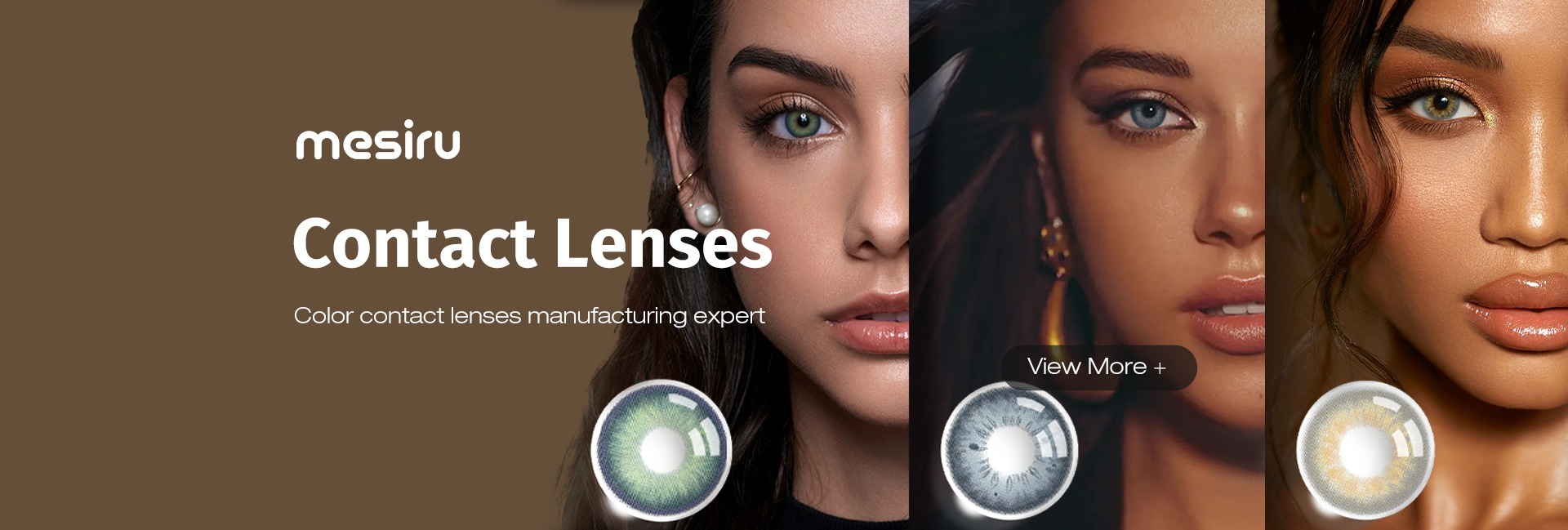
Hot Sale Color Contact Lenses Batch Series
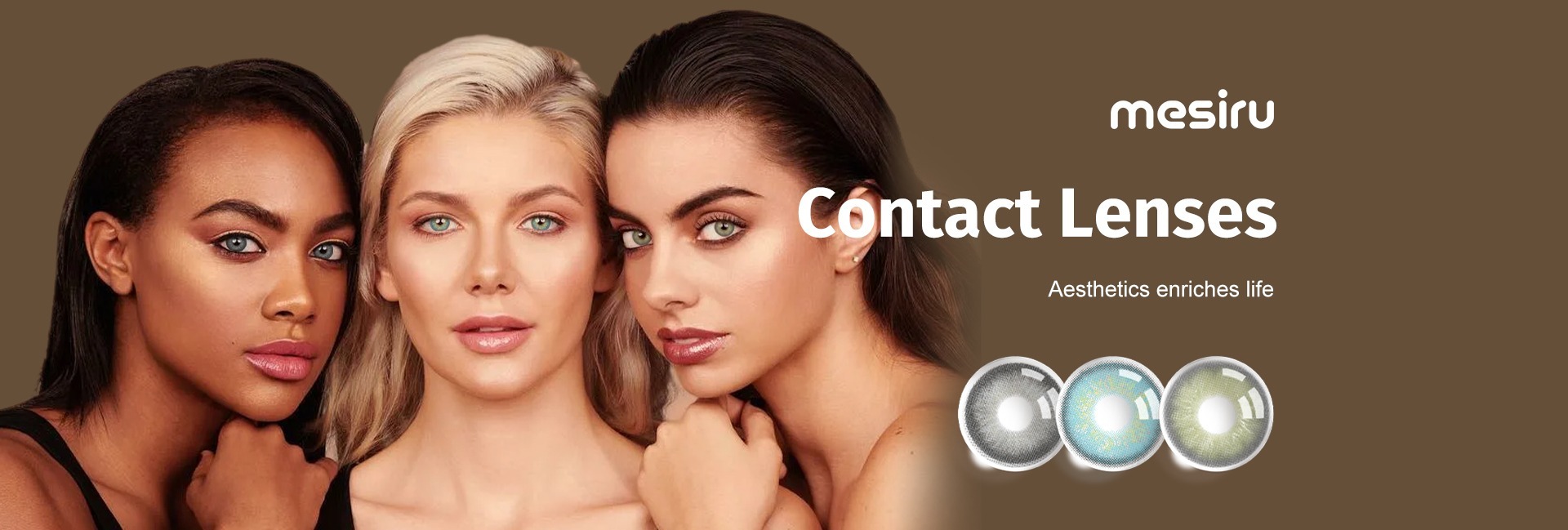
New Generation Multi-Tone Cosmetic Contact Lenses
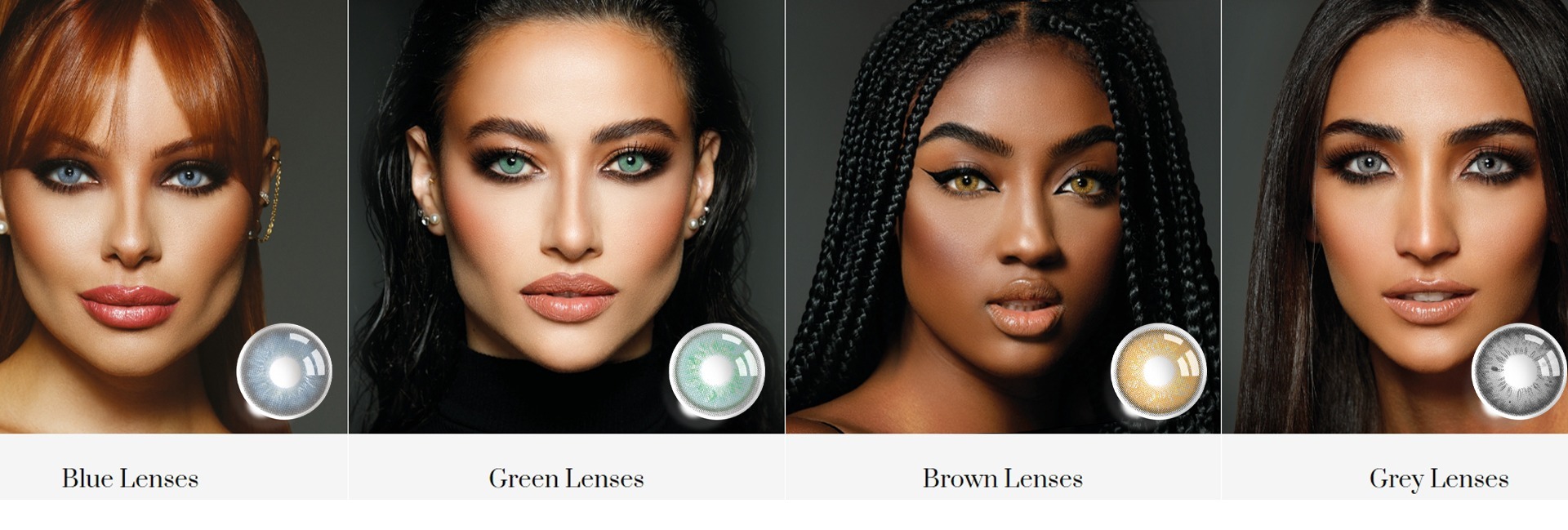
R2 Aier Blue Natural Hydrogel Contact Lens
R1 Germanic Green Encapsulated Color Lens

R3 God Gray High-Dk Oxygen Permeable Lens
R8 Opera Green Artistic Contrast Cosmetic Lens

R4 Serene Grey Soft Peripheral Limbal Lens
R5 Jesus Green Premium Moisture Lock Lens
1. The Global Landscape of Chinese Contact Lens Manufacturing
The global contact lens industry is undergoing a structural paradigm shift. Historically dominated by a handful of Western legacy manufacturers, the sector has seen a rapid migration of production technology, polymer chemistry innovation, and automated manufacturing infrastructure toward advanced high-tech hubs in China. Modern Chinese contact lens factories are no longer merely high-volume contract assemblers; they are premier OEM/ODM research and production centers capable of engineering medical-grade hydrogel and silicone hydrogel optical devices under stringent international quality standards.
Driven by substantial investments in Class 100,000 automated cleanroom facilities, robotic cast-moulding lines, and proprietary bio-compatible color pigment encapsulation methodologies, leading Chinese exporters now supply top-tier optical chains, e-commerce cosmetic brands, and healthcare distributors across North America, Europe, the Middle East, and Southeast Asia. B2B procurement directors seeking a strategic competitive advantage rely on Chinese OEM partners to deliver low defect rates, high oxygen transmissibility (Dk/t), superior hydration stability, and flexible private-label customization options at scale.
Regulatory Compliance Architecture
Full alignment with EU Medical Device Regulation (EU) 2017/745 (MDR) Annex XVI, US FDA 510(k) standards, and ISO 13485 Quality Management Systems to ensure seamless customs clearance and legal resale globally.
Advanced Polymer Science
Utilization of poly-HEMA and next-generation Silicone Hydrogel materials offering up to 38%-58% water content, superior tear film preservation, and all-day ocular comfort for end-users.
Sandwich Color Printing
Proprietary micro-encapsulation technology seals non-toxic bio-pigments safely between dual hydrogel layers, eliminating direct contact with corneal tissue and preventing pigment leaching.
2. Technological Manufacturing Precision & Enterprise Capabilities
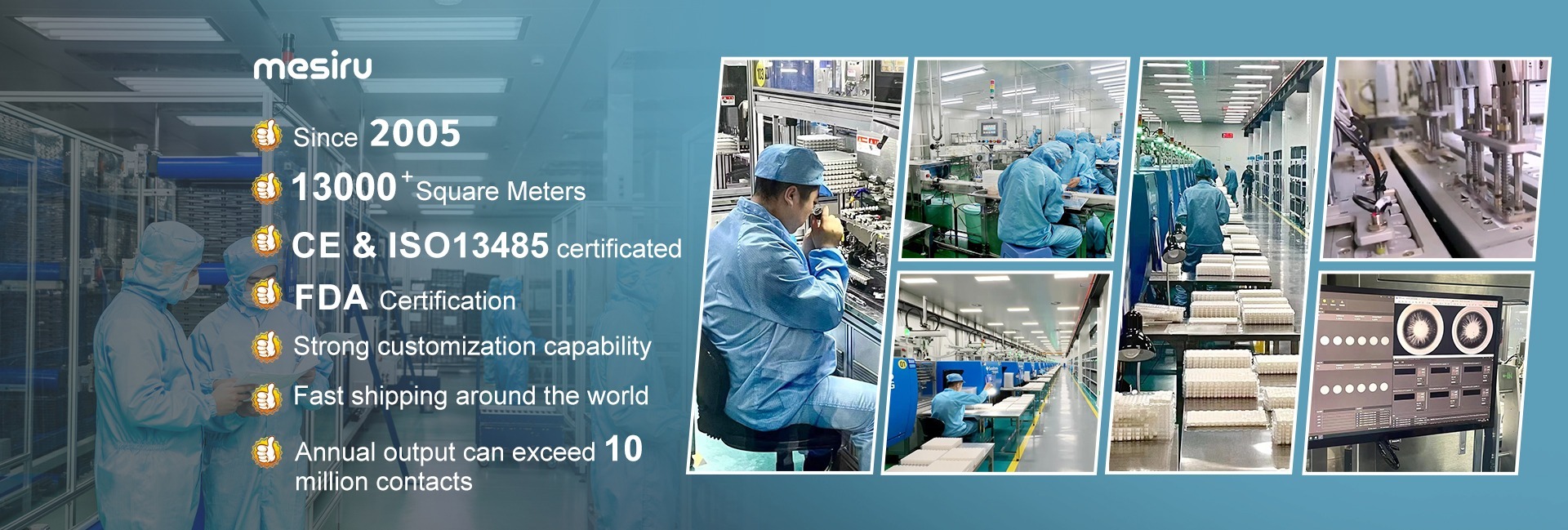
Precision is the cornerstone of contact lens manufacturing. A variance of mere micrometers in base curve (BC), central thickness (CT), or peripheral edge profile can drastically alter fitting characteristics, oxygen flow, and wearer safety. Premier Chinese manufacturers like Shenzhen Mesirulens Technology Co., Ltd. operate fully integrated, highly automated production workflows that eliminate human error and maintain optical uniformity across multi-million-unit production runs.
Automated Cast Moulding & AOI Quality Control
Unlike outdated lathe-cutting techniques, modern Chinese facilities employ high-precision automated cast moulding systems. Molds crafted with optical-grade metal alloys ensure consistent curve radius (typically 8.5mm to 8.7mm) and overall diameter (14.0mm to 14.5mm).
Following monomer polymerization under UV-thermal curing tunnels, 100% of manufactured lenses undergo high-speed Automated Optical Inspection (AOI). Computer vision systems scan each lens for micro-bubbles, peripheral tears, surface scratches, and color print decentration down to 5-micron resolutions. Uncompromising automated sorting guarantees that only flawless lenses move forward to hydration, blister sealing, and terminal autoclaving.

Standard Manufacturing Specification Matrix
| Technical Parameter | Standard Specification Range | Engineering / Clinical Significance |
|---|---|---|
| Material Composition | poly-HEMA / Silicone Hydrogel Polymers | Determines tensile elasticity, deposit resistance, and tear strength. |
| Water Content | 38% to 58% Hydrophilic Balance | Optimizes surface wetting, reduces dehydration sensation in air-conditioned environments. |
| Base Curve (BC) | 8.5mm – 8.7mm (Customizable) | Ensures proper centring, movement, and exchange of post-lens tear film. |
| Diameter (DIA) | 14.0mm – 14.5mm (Cosmetic/Corrective) | Controls limbal coverage and optical zone alignment for natural iris blending. |
| Diopter Power Range | Plano (0.00) to -8.00D (Myopia Correction) | Provides precise refraction along with aesthetic coloration. |
| Sterilization Standard | Moist Heat Autoclave (121°C for 30 mins) | Achieves Sterility Assurance Level (SAL) of 10^-6 for ultimate ocular safety. |
3. Future Product Evolution & Technological Development Trends
The contact lens market is rapidly moving past simple aesthetic color enhancement toward multi-functional, health-first optical solutions. As B2B brands construct their product roadmaps for the next decade, strategic procurement must align with key innovation vectors currently driving research and development in leading Chinese factories:
- Silicone Hydrogel Color Integration: Historically, color pigment encapsulation was limited to traditional hydrogels due to material compatibility constraints. Breakthroughs in macromolecular chemistry now allow stable, high-definition color embedding within Silicone Hydrogel matrix structures, delivering oxygen transmissibility rates (Dk/t) exceeding 80–100. This opens immense market opportunities for extended-wear cosmetic lenses.
- Astigmatic & Toric Cosmetic Lenses: Astigmatism affects over 30% of vision-corrected consumers worldwide, yet cosmetic options for toric wearers have historically been scarce. Advanced Chinese manufacturers now offer customized ODM programs featuring prism-ballast and back-surface toric designs, enabling brand owners to serve this lucrative, high-margin niche.
- Bio-Inspired 3D Iris Optics: Consumer demand is shifting away from flat, artificial pattern prints toward complex 3D radial textures, limbal rings, and subtle color gradients that mimic real human iris structures. Utilizing multi-pass micro-matrix printing, modern manufacturers create hyper-realistic aesthetic lenses tailored to light, olive, and deep-brown dark eyes.
- Blue Light & UV-Blocking Matrices: Ocular health protection is becoming an expected standard. Next-generation contact lenses incorporate UV-absorbing monomers directly into the polymer chain, shielding internal ocular tissues from harmful UVA/UVB radiation as well as high-energy visible (HEV) digital blue light.
4. Strategic B2B Procurement Trends & Supply Chain Optimization
Navigating the global optical supply chain requires B2B buyers—ranging from regional optical chains to global e-commerce startups—to adopt agile, risk-mitigated procurement strategies. China's manufacturing ecosystem offers unmatched versatility to support diverse commercial models:

Agile Low-MOQ Private Labeling (OEM)
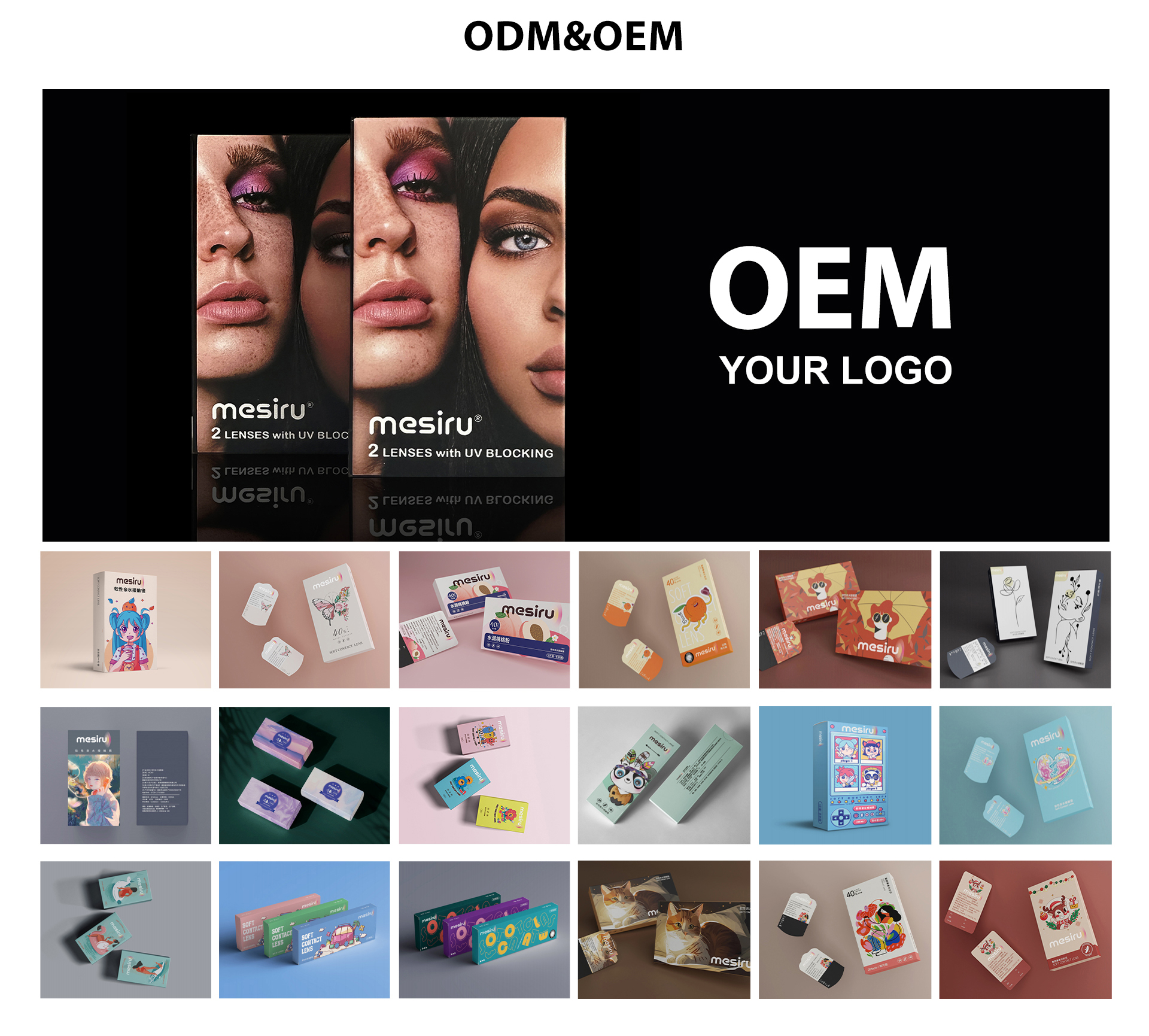
Traditional manufacturing required huge upfront order volumes, creating massive capital risk for emerging brands. Premier Chinese exporters now offer modular OEM services. Importers can combine ready-to-ship stock lens shades with bespoke, custom-printed blister foils, luxury outer display boxes, localized multi-language instructions for use (IFU), and custom solution lens cases.
This hybrid OEM model enables rapid go-to-market strategies, allowing brand owners to test seasonal shade trends with reduced minimum order quantities before committing to mass customization runs.
Furthermore, leading exporters are integrating streamlined international logistics architectures. Options such as DDP (Delivered Duty Paid) air freight and express shipping ensure that customs documentation, import duties, and VAT procedures are handled seamlessly, allowing distributors to focus entirely on marketing and channel distribution.
5. Enterprise Advantages & Production Quality Assurance
Shenzhen Mesirulens Technology Co., Ltd. stands at the forefront of China's professional contact lens export sector. With an extensive inventory of over 3,000 active SKUs, full regulatory documentation, and a state-of-the-art cleanroom manufacturing base, we empower global brands to build resilient, profitable optical lines.
Traceable Batch Assurance
Every single blister pack is laser-etched with unique lot numbers, production dates, and expiry tracking codes, ensuring 100% supply chain transparency and full recall control.
Global Market Customization
From English and French bilingual labeling to tailored packaging dimensions for EU, US, and Asian retail shelves, our design team delivers turnkey branding assets.
Comprehensive Optical Ecosystem
Beyond lenses, we manufacture multi-purpose contact lens disinfectant solutions, travel cases, and cleaning tools to provide a complete, one-stop sourcing solution.
6. Frequently Asked Questions (FAQ) for B2B Importers & Brands
Below are detailed, expert answers to the primary technical, regulatory, and commercial inquiries encountered by procurement officers evaluating Chinese contact lens manufacturing facilities.
Are contact lenses manufactured in China legally compliant for sale in the European Union and the United States? +
What is "Sandwich Pigment Technology" and why is it mandatory for cosmetic lens procurement? +
What are the minimum order quantities (MOQ) for custom private label (OEM) projects? +
How do oxygen transmissibility (Dk/t) and water content impact wearer comfort and lens choice? +
What is the typical shelf life of sealed sterile contact lens blister packs? +
Can we order mixed diopter powers and mixed color shades within a single order? +
What shipping methods and Incoterms are available for bulk global exports? +
Partner with China's Premier Contact Lens Manufacturer
Scale your optical brand with CE and ISO-certified OEM/ODM contact lens manufacturing. Request our comprehensive product catalog, shade guides, and wholesale price sheets today.