High-Velocity Export SKUs & Accessories
From micro-pigment encapsulated cosmetic hydrogels to clinical maintenance accessories, explore top-tier solutions optimized for global supply chains.
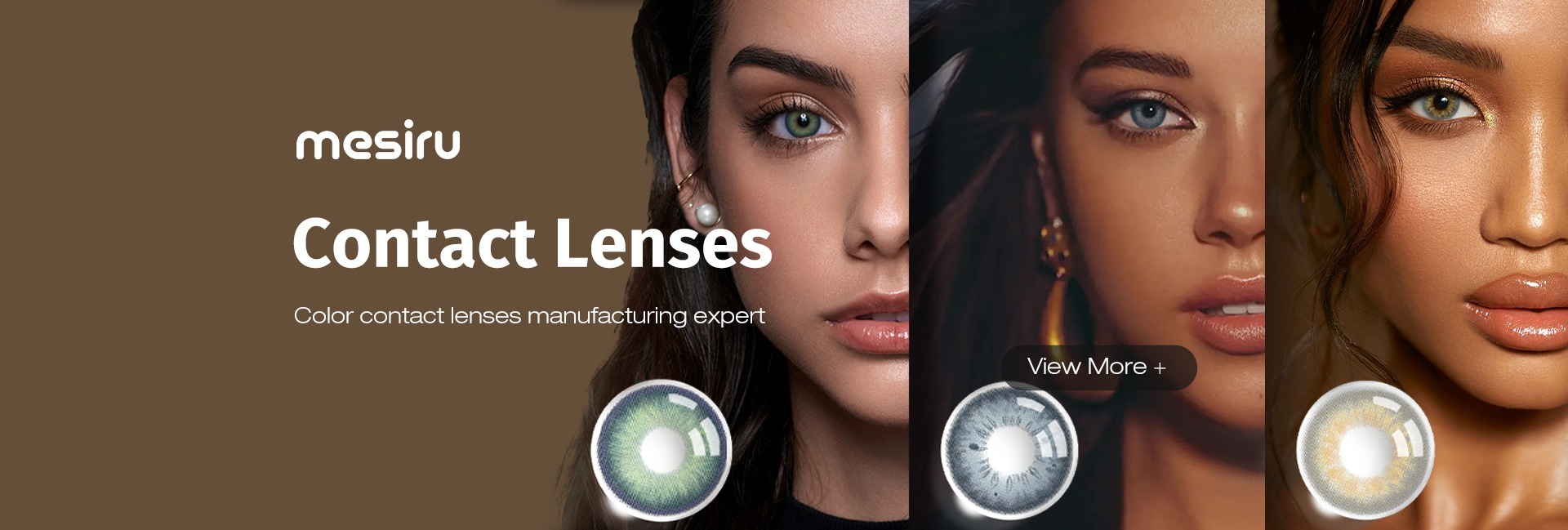
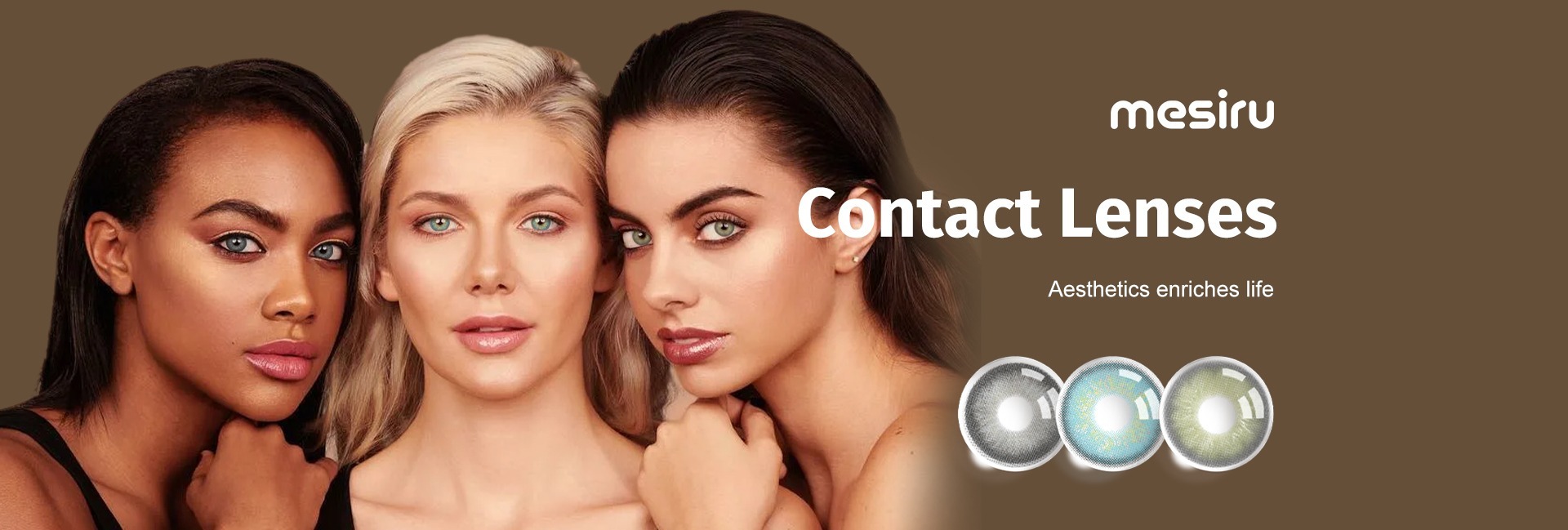
Multi-Tone Pigment Encapsulated Cosmetic Lenses
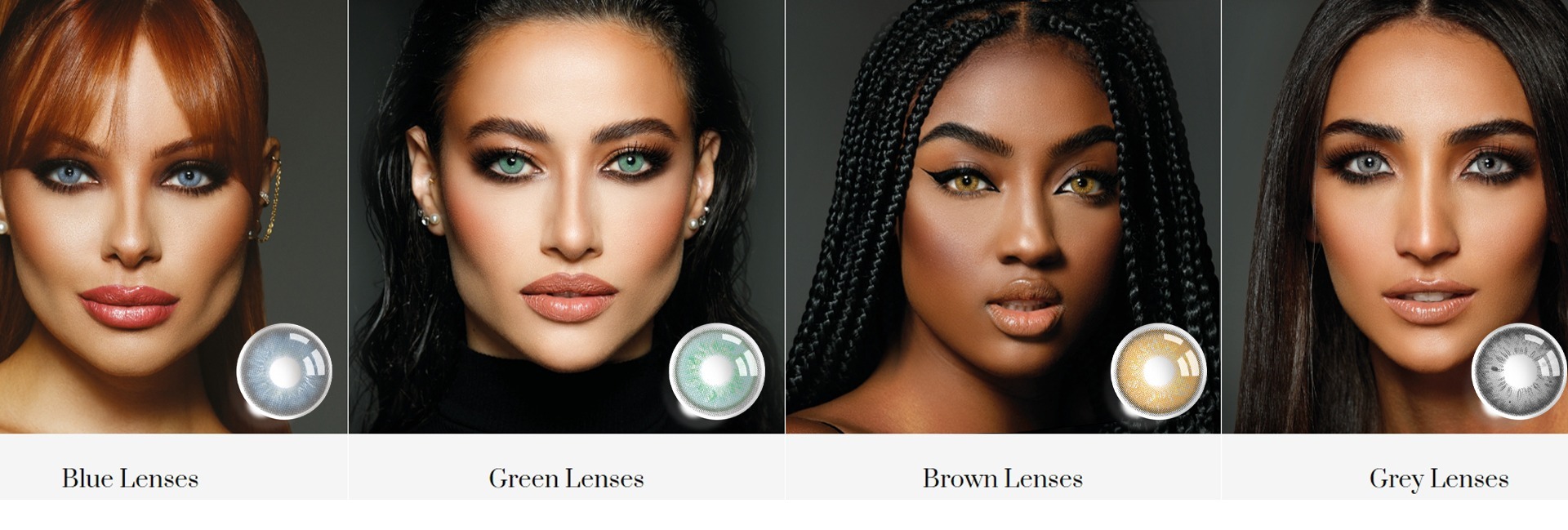
High-Dk Cast-Moulded Daily Disposable Soft Lenses
Custom Toric Cosmetic Astigmatism Contact Lenses
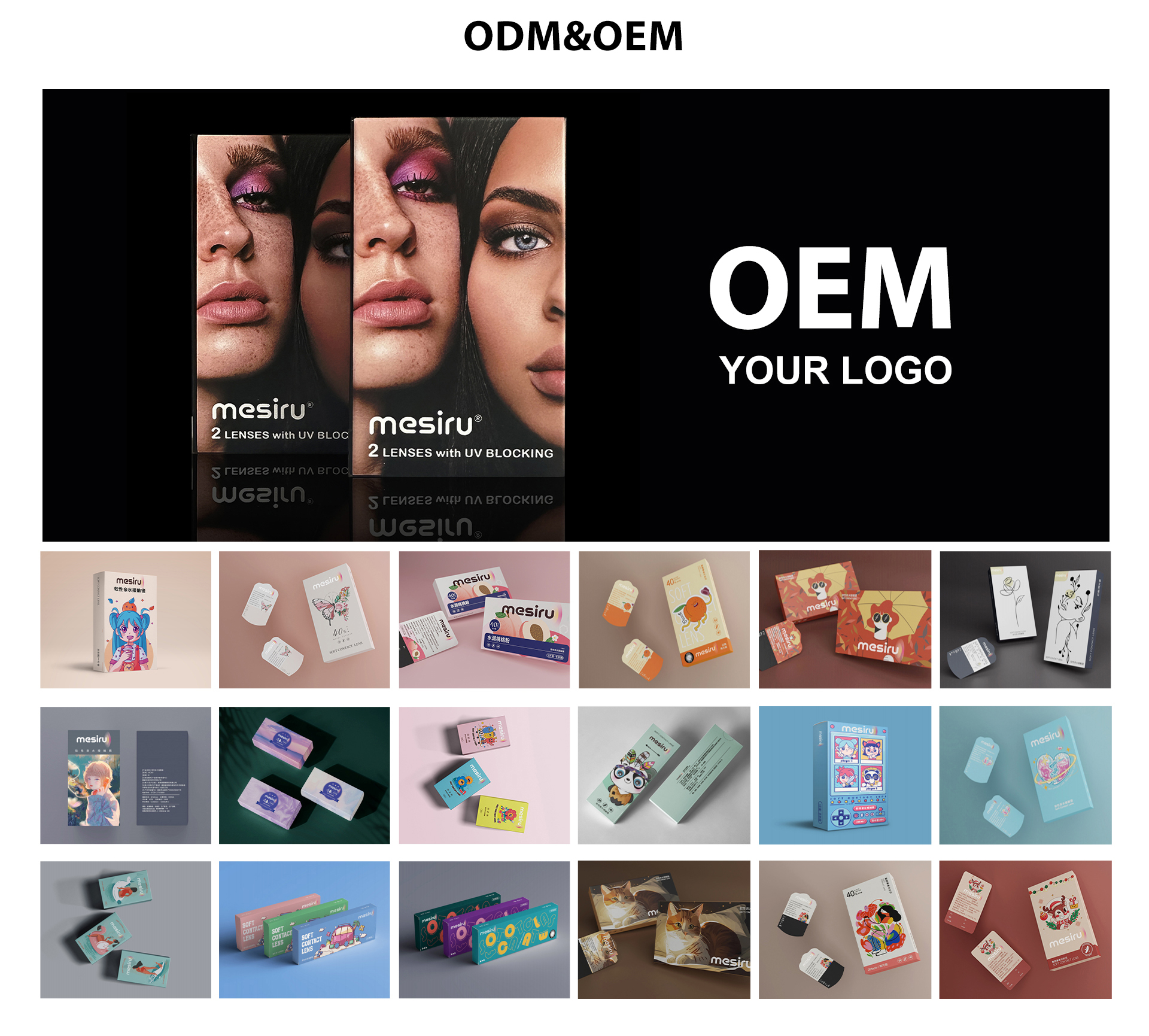
Medical-Grade Multi-Purpose Contact Lens Solution
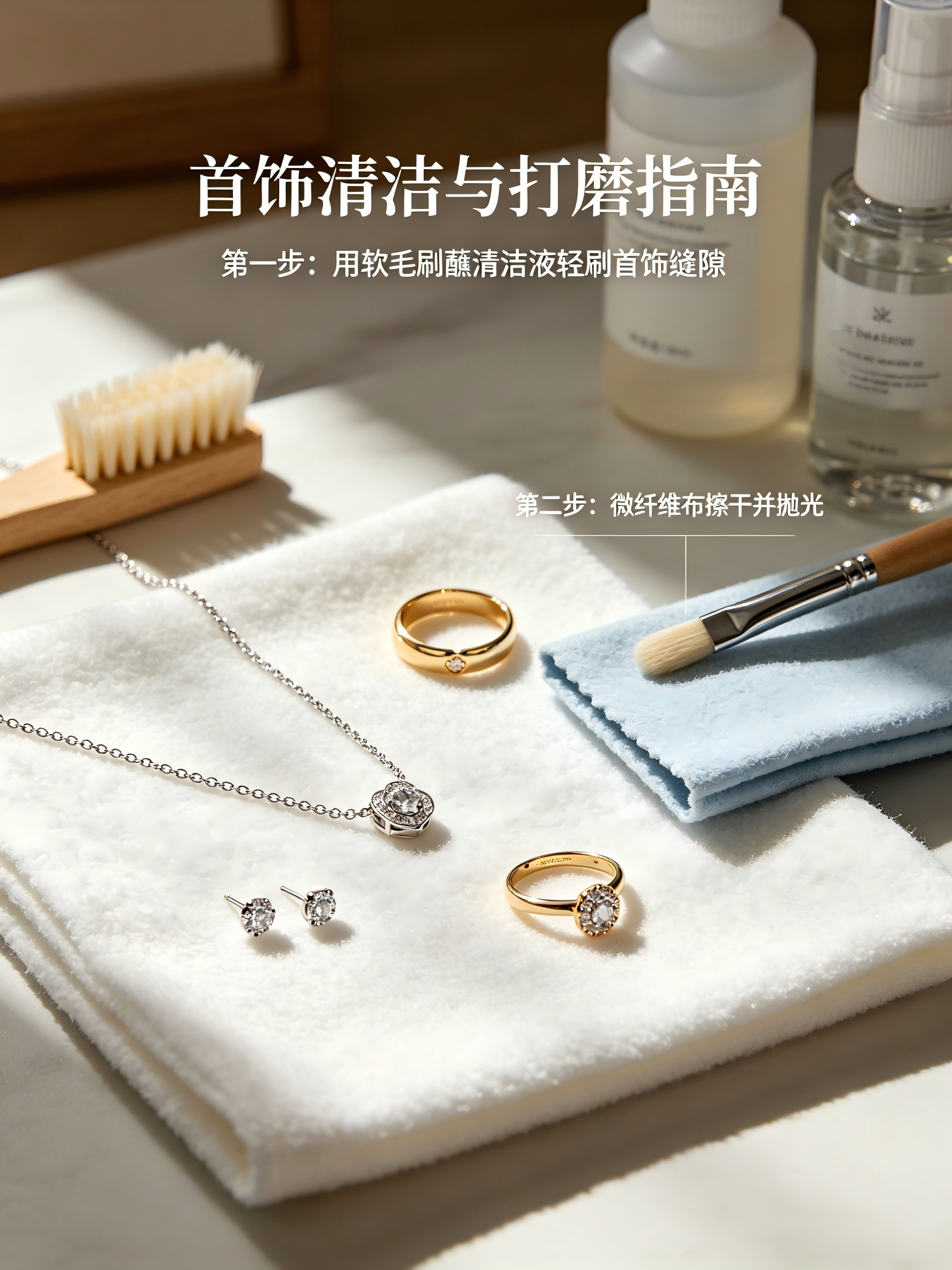
Precision Cleaning & Polishing Tools for Eyewear & Optics

Custom Logo Presentation Packaging Boxes for Optical Lines
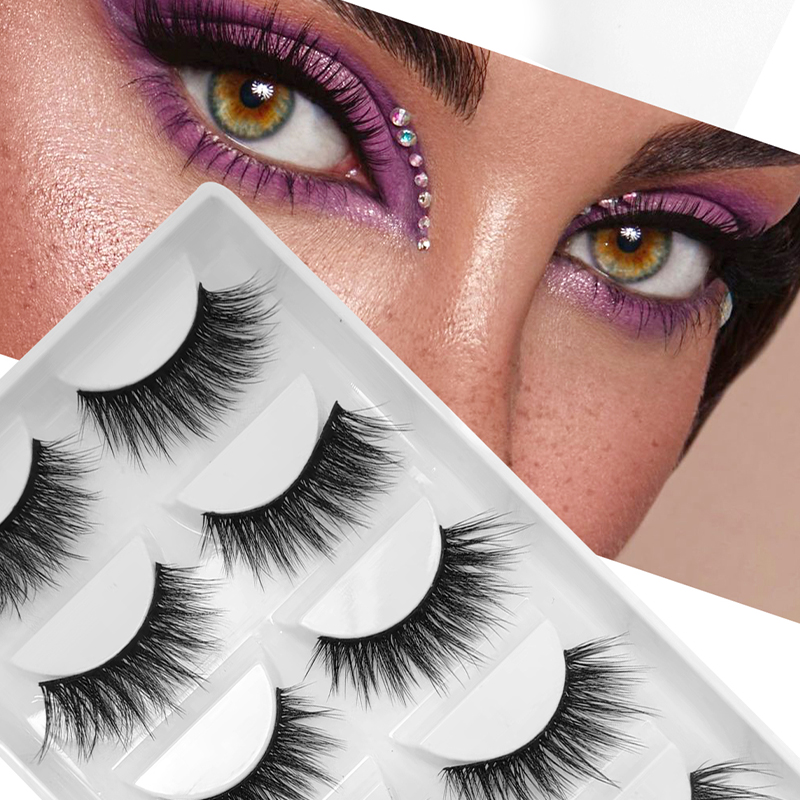
Accessory Beauty Series for Integrated Retail Kits
The Architecture of Modern Contact Lens Contract Manufacturing
A rigorous examination of Chinese advanced industrial fabrication, biocompatibility controls, and regulatory harmonisation across major Western markets.
Cast Moulding & Material Science
Global optical markets are transitioning away from traditional spin-casting. Modern Chinese production hubs leverage automated, high-cavity cast-moulding technology to produce ultra-precise, repeatable corneal curvatures.
- HEMA-NVP copolymers providing consistent 38% to 58% hydration balances.
- Silicone Hydrogel (SiHy) architectures generating transmissible oxygen ratings (Dk/t) exceeding 100 units.
- Advanced edge-tapering algorithms that eliminate mechanical friction against the upper tarsal conjunctiva.
Pigment Sandwich Encapsulation
Cosmetic ocular safety is strictly determined by the absolute containment of toxic colorants. Premium manufacturers deploy multi-layer embedding systems to completely isolate synthetic metal oxides from living tissue.
- Tri-layer molecular isolation prevents pigment leeching under physiological tear osmolarity.
- Zero surface rub: certified via standard ASTM mechanical swab and isopropyl abrasion assays.
- Precision optical zone clearings (min. 5.5mm) preventing chromatic aberrations in low-light conditions.
Stringent Cleanroom Protocols
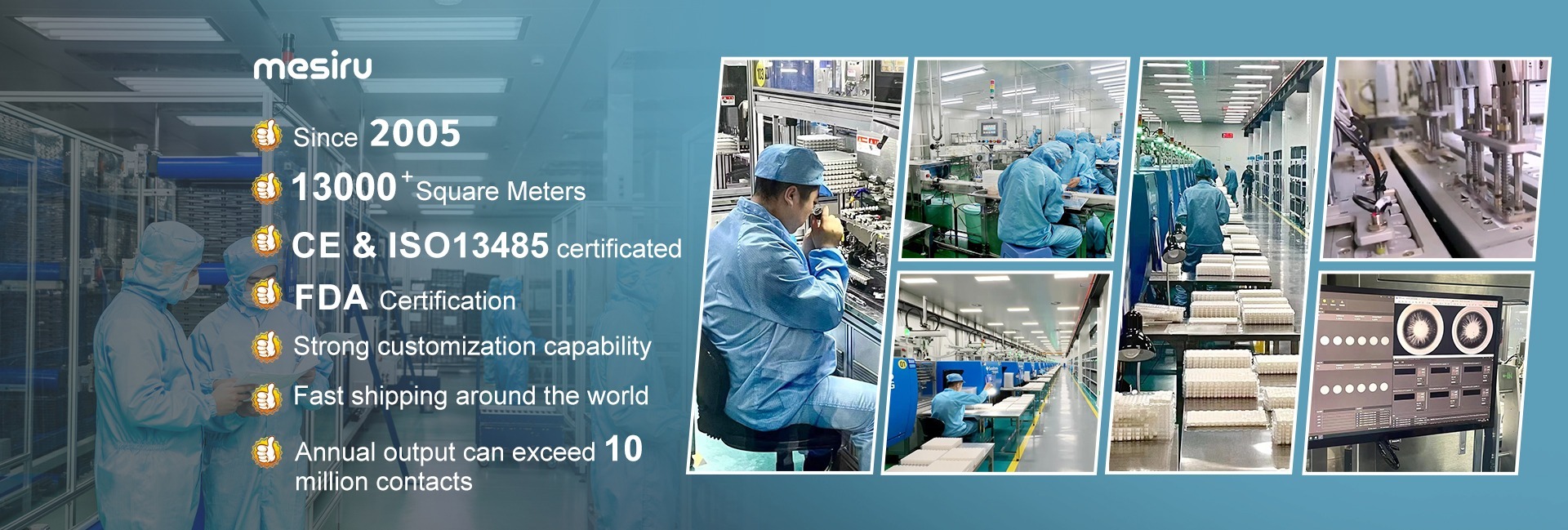
Operating inside controlled Class 100,000 (ISO Class 8) cleanrooms equipped with positive pressure cascades, HEPA filtration matrixes, and continuous particulate sampling arrays.
- 100% online computer-vision inspection verifying lens concentricity, edge profile, and pinholes.
- Terminal autoclave steam sterilisation cycles achieving a Sterility Assurance Level (SAL) of 10⁻⁶.
- Automated blister packing utilizing medical-grade aluminum foils that guarantee 5-year hermetic barrier stability.
Future Procurement & Technology Roadmap
Actionable market intelligence for professional buyers navigating regulatory volatility, material enhancements, and consumer behavioral shifts.
1. EU MDR Annex XVI Realignment
Non-corrective decorative lenses are legally classified as medical devices under EU Regulation 2017/745. Importers must secure factories with comprehensive Clinical Evaluation Reports (CER) and active Notified Body auditing tracks.
2. Shift to Daily Disposables
While monthly and annual modalities remain commercially dominant in emerging territories, North American and Western European channels demonstrate a rapid pivot toward single-use daily blisters driven by ocular hygiene awareness.
3. Dynamic Toric Customization
Astigmatic patients represent over 30% of vision-correction consumers. Production scalability of cast-moulded prism-ballasted toric cosmetic lenses represents the single largest blue-ocean margin territory for private-label brands.
4. Bio-Inspired Hydrogels
Next-generation polymer compositions embed phosphorylcholine (PC) or cross-linked hyaluronic acid within the material matrix, actively suppressing lipid and protein deposition while stabilizing tear film break-up time (TBUT).
Industrial Capacity & OEM Supply Infrastructure
Bridging Chinese engineering capacity with direct regulatory, logistical, and cosmetic market adaptation for Western distributors.
Private-Label Branding (OEM)
Turnkey brand integration encompassing localized typography, graphic packaging, blister foils, bilingual multilingual IFUs, and compliance labeling ready for retail shelves.
Formula & Iris R&D (ODM)
Specialized industrial development supporting proprietary diopter steps (0.00 to -8.00D), custom base curves, hyper-realistic translucent iris patterns, and specialized pupil apertures.
Audited Global Logistics
Direct integration with international cold-chain/air freight channels, streamlined customs clearing support (DDP/DAP), and guaranteed lot-to-lot consistency backed by Alibaba Trade Assurance.
Frequently Asked Questions for Importers
Authoritative answers addressing regulatory compliance, Minimum Order Quantities (MOQs), technical testing, and factory verification.
Q: What documentation is mandatory to import cosmetic contact lenses into the EU and US?
For the European Union, lenses are strictly regulated as medical devices requiring compliance under EU MDR 2017/745 (including non-corrective lenses via Annex XVI). Manufacturers must deliver a CE Certificate, EU Declaration of Conformity (DoC), technical files, biological safety reports (ISO 10993), and bilingual instructions for use (IFU). For the US market, 510(k) clearance, active FDA facility registration, and device listings are required prior to commercial importation.
Q: What is the typical Minimum Order Quantity (MOQ) for custom private-label projects?
For stock shades utilizing custom secondary packaging (branded carton boxes and custom blister foil overprinting), typical entry MOQs range from 500 to 1,000 pairs across mixed diopters. For fully bespoke ODM iris patterns, base curve modifications, or specialized toric parameters, MOQs generally start at 5,000 pairs to offset casting mould fabrication, colour dispersion calibration, and micro-injection tool setup.
Q: How is ocular biocompatibility verified and guaranteed across production runs?
Production lots undergo rigorous ISO 10993 testing suites, evaluating in vitro cytotoxicity, systemic toxicity, ocular irritation, and delayed hypersensitivity. Lenses undergo refractive index profiling, diameter/sagittal depth automated verifications, and gas chromatography testing to ensure residual monomer and unreacted polymer levels fall below internationally detectable thresholds.
Q: What are standard freight lead times and Incoterms offered for international distribution?
Catalog in-stock shades are dispatched within 3 to 7 working days via air express (DHL/FedEx/UPS), reaching major European and North American hubs in 5 to 8 business days. High-volume private-label OEM manufacturing cycles average 25 to 35 production days following artwork signoff. Shipments can be contracted under EXW, FOB, DAP, or DDP terms depending on client customs and regulatory brokerage infrastructure.
Ready to Scale Your Contact Lens Product Line?
Initiate direct communication with our senior optical manufacturing engineers. Request physical sample sets, regulatory audit packages, and full OEM margin frameworks tailored to your territory.
Inquire Now