Engineered Cosmetic & Corrective Formulations
Precision cast-molded cosmetic contact lenses manufactured under stringent pharmaceutical cleanroom environments, engineered for maximum oxygen flux and chromatic fidelity.
R2 Aier Blue Hydrogel Lens
Multi-tone sapphire matrix featuring a soft-blend limbal ring for natural iris coverage.

R1 Germanic Green Aesthetic Lens
Biomimetic olive-emerald micro-pigments formulated for dark eyes.

R3 God Gray High-Diffusion Lens
Sophisticated charcoal gradient ring with translucent silver core elements.
R8 Opera Green Dramatic Iris
Rich theatrical chroma engineered with non-ionic materials resisting protein deposits.
R4 Serene Grey Micro-Pattern
Subtle low-opacity hazel-grey configuration suited for daily optical wear.
R5 Jesus Green Radiant Lens
Tri-color dot dispersion ensuring natural color transformation under direct lighting.
R9 Opera Blue Saturated Lens
Deep marine tones designed with expanded optical zones preventing tunnel vision.
R6 Glow Iris Blue Luminary
Advanced pearlescent shimmer technology designed strictly for cosmetic night events.
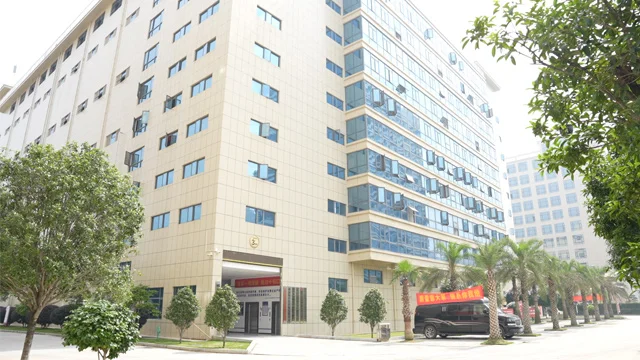
Why Institutional Buyers Rely on Our Guangzhou Production Base
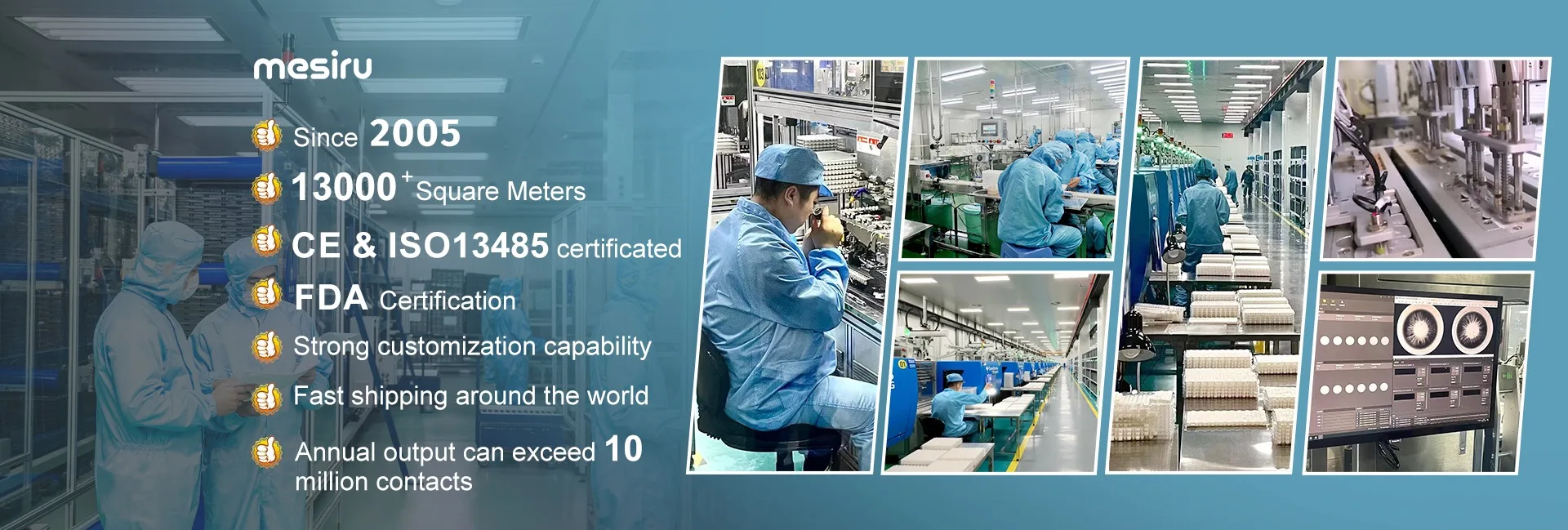
Operating beyond conventional decorative standards: our cleanroom facilities combine medical-grade polymer synthesis with robotic quality control to ensure zero-defect B2B delivery.
Class 100,000 Cleanroom Integrity
Our manufacturing base operates under constant HEPA microfiltration maintaining Class 100,000 (ISO 8) bioburden standards. Continuous differential pressure, humidity (45-55%), and particulate monitoring eliminate airborne contaminants during cast-molding and blister sealing cycles.
ISO 13485:2016 CompliantSandwich Micro-Encapsulation
Direct corneal pigment contact is completely prevented via proprietary 3-layer pad printing cast embedding. Pigment molecules are fully locked inside the hydrogel polymer core, guaranteeing zero leachability, cytotoxicity prevention, and consistent ocular surface hydration.
ISO 10993 BiocompatibleRegulatory Technical Documentation
We supply end-to-end technical documentation files for swift market clearance across global health authorities. Formatted specifically for the European Union MDR 2017/745 Annex XVI, FDA 510(k) establishment registration, and national Ministry of Health registrations.
CE / US FDA RegisteredCustom Mold & Tooling Engineering
From single-vision spherical prescriptions to complex cosmetic toric axes, our in-house optical tooling workshop achieves 0.2µm diamond lathe precision. Rapid prototyping turns CAD chromatic iris models into finished sterilized samples in under 14 working days.
Rapid PrototypingAgile Supply Chain & Buffer Inventory
Guangzhou’s integrated logistics corridor enables consolidated sea, air, and express freight routes. With 3,000+ SKUs maintained in temperature-controlled buffer storage, overseas optical retail distributors can order mixed SKUs with low MOQs to maintain high inventory turns.
DDP / DAP Delivery AvailableTurnkey Private Label Packaging
Complete branding options including automated thermoformed polypropylene blisters, medical foil sealing with 2D DataMatrix batch coding, multilingual Instructions for Use (IFU), barcode generation, and FSC-certified secondary retail paper boxes.
Full Retail ReadinessFuture Sourcing & Procurement Trends: Strategic Shifts for 2025–2030
A data-informed analysis of how optical buying groups, beauty brands, and private-label distributors are reshaping their contact lens supplier selection matrix.
01. Migration Toward Silicone Hydrogel (SiHy) Color Substrates
Historically, the cosmetic lens industry relied heavily on conventional poly-HEMA hydrogel polymers (typically yielding Dk/t oxygen transmissibility values of 18–28 x 10⁻¹¹ (cm/sec)(ml O₂/ml x mm Hg)). The emerging standard across tier-one cosmetic brands is the formulation of Silicone Hydrogel (SiHy) matrices delivering Dk/t values in excess of 80–120. This shift addresses prolonged end-user wear schedules, dry-eye symptoms associated with digital screen exposure, and reduced corneal hypoxia incidence. Factory qualification protocols now demand high wettability coatings and plasma treatments that maintain a low modulus (0.4–0.6 MPa) despite silicone inclusion.
02. Enforcement of EU MDR Annex XVI & Global Regulatory Harmonization
Non-corrective (plano) cosmetic colored contact lenses are no longer treated as general consumer goods under European Union law. Following the formal operational enforcement of Medical Device Regulation (EU) 2017/745, Annex XVI, all non-corrective lenses must meet identical rigorous safety, clinical evaluation, and post-market surveillance (PMS) pathways as prescription Class IIa medical devices. Importers face stringent customs seizure risks if suppliers fail to maintain audited technical files, designated European Authorized Representatives (EC REP), and verified Unique Device Identification (UDI) system integration.
03. Agile On-Demand Customization for Omnichannel & Social Commerce
The rapid rise of TikTok Shop, live-stream beauty selling, and direct-to-consumer (D2C) cosmetic subscriptions has upended old minimum order quantities (MOQ). Traditional 10,000-unit-per-SKU requirements risk severe inventory depreciation as fast-fashion beauty cycles compress from 12 months down to 8 weeks. Importers now actively contract Guangzhou factories offering modular micro-batch OEM pipelines—allowing 500 to 1,000-unit initial runs paired with customized localized packaging to test consumer demand before committing to bulk container orders.
Material & Fabrication Process Comparison
Evaluate core optical specifications to select the appropriate formulation for your target demographic.
| Polymer Category | Primary Monomers | Water Content (%) | Dk/t (@ -3.00D) | Color Encapsulation | Optimal Market Use-Case |
|---|---|---|---|---|---|
| Polymacon (Group I) | 2-HEMA, EGDMA | 38% ± 2% | 18–22 | Full Cast Embedding | Cost-effective yearly wear, maximum shape stability, high structural durability. |
| Ocufilcon D (Group IV) | 2-HEMA, MAA | 55% ± 2% | 26–32 | Micro-Dot Sandwich | High initial comfort, premium monthly cosmetic lines, enhanced hydration. |
| Silicone Hydrogel (SiHy) | Fluorosilicone, TRIS, NVP | 45%–48% | 85–110 | Molecular Lock Layer | Premium daily disposable cosmetic & corrective lines, dry-eye prevention. |
| Toric Cosmetic HEMA | HEMA-GMA Copolymer | 42% ± 2% | 24–28 | Prism-Ballast Sandwich | Astigmatism vision correction combined with natural aesthetic iris enhancement. |
Product Innovation Roadmap: Engineering Beyond Visual Aesthetics
Explore emerging material sciences and digital chromatic designs being integrated into next-generation production lines.
Biomimetic 4-Tone Micro-Dot Printing
Moving past stark solid limbal outlines, next-generation chromatic formulations implement high-density stochastic micro-dot patterns that adapt organically to the wearer’s underlying iris stroma. By layering translucent chromatic depth over an amber core, lenses eliminate the flat "doll-eye" artifact and achieve an authentic aesthetic under both direct sunlight and studio LED illumination.
HEV Blue Light & UV Filter Integration
Modern consumers require functional ocular protection from digital lifestyle hazards. Our R&D laboratory embeds polymerizable UV absorbers and specific 415–455nm High-Energy Visible (HEV) blue-light blocking monomers directly into the monomer formulation. This achieves 95% UV-A and 99% UV-B attenuation without degrading chromatic clarity or distorting peripheral color perception.
Aspheric Front-Surface Aberration Control
Standard spherical designs often introduce spherical aberrations, notably at wider pupillary apertures under low-light evening environments. Our precision computerized molds feature computerized aspheric surface modeling. This compensates for natural ocular spherical aberrations, significantly elevating contrast sensitivity, image sharpness, and twilight driving performance.
Frequently Asked Questions for Global Procurement Officers
Direct technical and operational answers covering regulatory filings, quality control procedures, minimum orders, and private-label customization.