Featured OEM & ODM Cosmetic & Optical Formats
From natural tone enhancements and corrective toric configurations to complete sterile private-label accessory collections, inspect our most requested bulk wholesale and customized manufacturing baselines.

R2 Aier Blue Semi-Translucent Iris Lens
- Optical Diameter: 14.2 mm
- Base Curve: 8.6 mm
- Water Content: 38% - 42% HEMA
- Power Diopter: 0.00 to -8.00 D
R1 Germanic Green Multi-Tone Cosmetic Lens
- Optical Diameter: 14.2 mm
- Base Curve: 8.6 mm
- Pigment Layer: Encapsulated Bio-Safe
- Wear Cycle: Monthly / Yearly
R3 God Gray Deep Pupil Gradient Lens
- Optical Diameter: 14.2 mm
- Base Curve: 8.6 mm
- Center Thickness: 0.08 mm (-3.00D)
- Target Demographics: Universal Eye Tones

K16 Taylor Brown Warm Hazel Enhancement Lens
- Optical Diameter: 14.5 mm (Enlarging)
- Base Curve: 8.6 mm
- Hydration Retain: 40% Saline Matrix
- Packaging: PP Blister / Glass Vial
E3 Black Spot Iris Blue Toric & Plano Lens
- Optical Diameter: 14.5 mm
- Cylinder Range: -0.75 to -2.25 D
- Axis Stability: Prism Ballast Ballistics
- Compliance: CE 0197 / MDR Annex XVI
R8 Opera Green High-Definition Color Lens
- Optical Diameter: 14.2 mm
- Base Curve: 8.6 mm
- Dk Transmissibility: Optimized Cornea Flow
- Wear Replacement: Daily / Monthly

Custom Natural Plastic-Lined Presentation Boxes
- Standard Dimensions: 150 * 100 mm Customized
- Interior Lining: Thermoformed Medical Plastic
- Branding Options: Gold Hot-Stamping / UV
- Application: VIP Brand Launch & Retail Sets
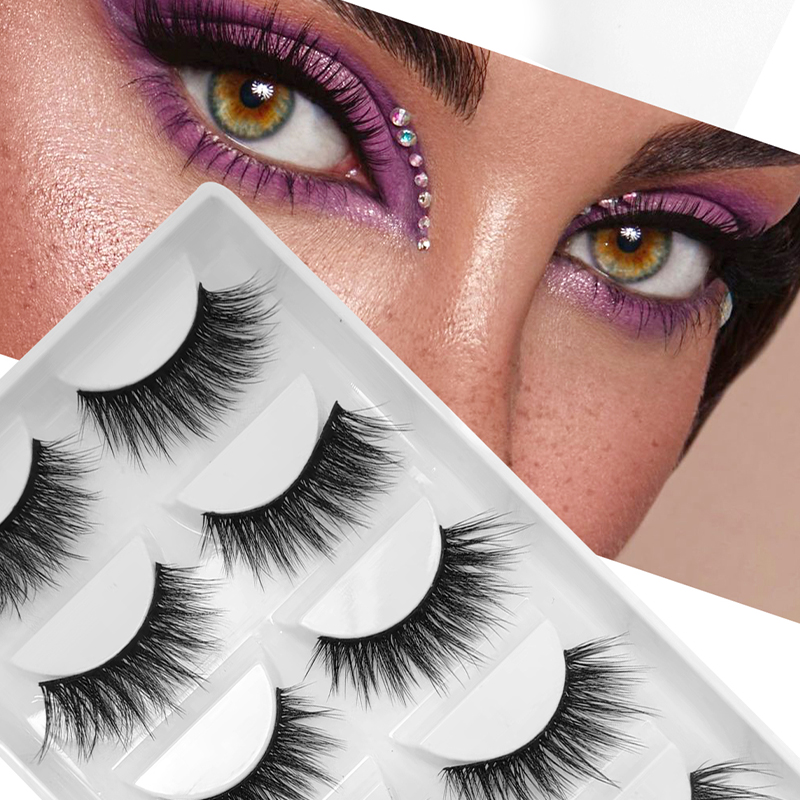
Wholesale Private Label Full Strip Lashes Suite
- Product Category: Beauty Cross-Merchandising
- Band Material: Hypoallergenic Cotton Thread
- OEM MOQ: Low-Tier Multi-SKU Assortment
- Target Channels: D2C E-Com & Cosmetic Boutiques
Engineering Capabilities of Our Manufacturing Base
As a direct contact lens manufacturer operating under stringent optical and medical-grade device protocols, we de-risk the global sourcing pipeline for retail optical conglomerates, medical importers, and beauty innovators.
Class 100,000 Cleanroom Ecosystem
Our clean manufacturing workshops feature temperature-stabilized, positive-pressure laminar airflow systems. Every environmental vector—from airborne microbial colony units to humidity indexes—is continuously logged to ensure zero particulate contamination across polymerization and cast-molding operations.
Full EU MDR & FDA Regulatory Dossier
With non-corrective cosmetic lenses formally incorporated into Annex XVI of Regulation (EU) 2017/745 (EU MDR), our legal affairs division maintains turnkey Declarations of Conformity, technical files, ISO 13485:2016 audit records, and bi-lingual IFU dossiers directly verifiable by national competent authorities.
Patented Color-Locking Sandwich Process
Unlike entry-grade surface printing which leaves raw pigments exposed to the ocular conjunctiva, our bio-safe encapsulation technology isolates medical-grade micro-pigments completely between double micro-layers of hydrophilic polymer matrix, guaranteeing 100% corneal protection and zero pigment rub-off.
Turnkey OEM/ODM Customization Velocity
We provide rapid artwork sampling, custom aluminum blister-foil sealing, and multilingual box packaging design within 7 business days. Our proprietary optical tooling enables diopter expansion from 0.00D plano up to -10.00D, including astigmatic toric configurations engineered for difficult-to-fit corneas.
Automated Optical Inspection (AOI)
Every individual lens is subjected to sub-micron automated digital image inspection before blister packaging. Edge smoothness, circularity, concentricity of the pupil aperture, center thickness, and surface micro-tears are vetted algorithmically, eliminating manual human error and preventing retail batch recalls.
Direct DDP / DAP International Supply Line
With warehouse infrastructure optimized for international fulfillment, we maintain 3,000+ SKUs constantly in stock for immediate dispatch. For Europe, the Americas, and Southeast Asia, we orchestrate express air-cargo with integrated customs clearance (DDP), shielding importers from local administrative delays.
Medical Device Quality Framework & Cleanroom Protocol
Sourcing contact lenses requires evaluating clinical safety metrics above all aesthetic considerations. Our production facility adheres strictly to the ISO 18369 standard for ophthalmic optics, combining computer-controlled mold tooling with moist-heat terminal steam autoclaving at 121°C for 20 minutes to achieve a Sterility Assurance Level (SAL) of 10⁻⁶.
Clinical Safety Verification: Every manufactured batch undergoes independent third-party laboratory verification for in-vitro cytotoxicity (ISO 10993-5), ocular irritation testing (ISO 10993-10), and extractable residues before release.
From our automated monomer formulating reservoirs to automated wet cast-molding lines, monomer conversions achieve near 100% cure, dramatically minimizing unreacted residual monomers and guaranteeing stable water retention across 12-hour continuous wear cycles.
| Quality Dimension | Standard Factory Grade | Our Medical OEM Facility |
|---|---|---|
| Cleanroom Rating | Class 300,000 or General Workshop | Class 100,000 Certified (ISO 8) |
| Color Encapsulation | Single Surface Pad Printing | 3-Layer Sandwich Isolation |
| Defect Screening | Statistical Manual Spot Check (5%) | 100% High-Resolution Digital AOI |
| EU Compliance | Legacy MDD / Unregistered | EU MDR 2017/745 Annex XVI Ready |
| Sterilization Method | Inconsistent Chemical / Low Heat | Terminal Steam Autoclave (121°C) |
| Diopter Accuracy | ±0.50 D Tolerance Drift | Precision Monitored to ±0.25 D |
Global Contact Lens Industry Development Trends
A comprehensive strategic analysis of technological evolution, material engineering advances, and shifting consumer demographics shaping wholesale lens manufacturing through 2030.
Material Transition to Breathable Silicone Hydrogel
While traditional poly-HEMA hydrogel remains the cornerstone of cost-effective cosmetic lenses, the commercial frontier is rapidly shifting toward third-generation Silicone Hydrogel (SiHy). With oxygen transmissibility coefficients (Dk/t) exceeding 80–120 barriers, SiHy prevents corneal hypoxia, vascularization, and redness during extended wear. OEM factories investing in hydrophilic surface grafting are outperforming legacy formulators.
Merging Cosmetic Aesthetics with Optical Correction
Historically divided into purely plano cosmetic lenses and clear prescription lenses, the global marketplace now demands fully hybrid SKUs. High-growth private label brands are aggressively procuring toric cosmetic designs for astigmatism and multifocal color matrices for presbyopic demographics. Supplying color beauty while simultaneously rectifying vision defects is now the key determinant of market leadership.
Sub-Micron Digital Color Rastering & Biomimetic Irises
Consumer tastes have moved away from artificial opaque ring designs toward hyper-natural, biomimetic pupil textures. Modern production uses micro-dot matrix laser jet printing to mimic the authentic human trabecular meshwork and multi-layered crypts of the iris. These multi-chromatic gradients blend seamlessly over dark Asian and brown Mediterranean irises without exhibiting a muddy finish.
Regulatory Hardening & Post-Market Surveillance
Cross-border customs enforcement in the European Union (EU MDR 2017/745), the United States (FDA 510(k) Premarket Notifications), and the UK (UKCA) has permanently raised the barriers to entry. Importers can no longer source from undocumented trading vendors. The industry is rapidly centralizing around enterprise OEM manufacturers equipped with full ISO 13485:2016 quality systems and verifiable clinical audit data.
Sustainable Packaging & Reduced Environmental Footprints
The rapid expansion of daily disposable contact lenses has catalyzed scrutiny over single-use plastic consumption. Progressive manufacturing centers are introducing ultra-thin polypropylene blister shells, biodegradable non-PVC outer secondary packaging, and automated recycling loops for polypropylene production molds, drastically lowering carbon expenditure per sterile unit produced.
Ocular Photoprotection: Blue Light & UV Class 1 Blockers
With prolonged digital screen exposure triggering dry eye syndrome and visual fatigue, procurement requirements increasingly mandate active photoprotective monomers. Integrating benzotriazole UV blockers (achieving Class 1 UV blocking: >90% UVA and >99% UVB) alongside high-energy visible (HEV) blue light filters directly into the lens monomer formulation creates compelling consumer value.
Future Procurement Trends for Wholesalers & Brand Owners
How leading vision conglomerates, e-commerce brand builders, and optometric chains are optimizing their global inventory cycles, vendor audits, and supply chain redundancies.
1. The Shift to Agile "Micro-OEM" & Fast Inventory Drops
Traditional procurement models demanding 50,000 units per shade across rigid production schedules are giving way to agile micro-batching. Driven by fast-cycle social commerce on TikTok Shop, Instagram, and localized D2C portals, brand owners require OEM factories to maintain base inventory of sterile blisters, printing secondary custom brand packaging on demand. This reduces warehouse obsolescence and allows brands to ride dynamic color trends without dead stock exposure.
2. Bundled Ecosystem Sourcing (Lenses + Care + Hardware)
B2B purchasing directors are shifting away from fragmented multi-vendor chains. Instead of ordering lenses from one plant, multi-purpose disinfecting solutions from another, and travel cases from a third, buyers increasingly secure turnkey kits from a single consolidated OEM supplier. Sourcing lenses along with Custom Packing Boxes and complementary accessories ensures consistent brand aesthetics and streamlines customs documentation.
3. Direct Traceability & UDI Implementation
Global healthcare authorities mandate Unique Device Identification (UDI) codes on primary and secondary medical device packaging. Modern wholesalers prioritize factories offering machine-readable GS1 DataMatrix barcodes on every individual blister foil. This ensures instantaneous lot tracking, prevents counterfeit channel leakage, and accelerates warehouse scanning velocity across international distribution centers.
Strategic Sourcing Checklist for B2B Importers
- Factory Certification Audit: Ensure valid ISO 13485:2016 scope specifically covering "Design and Manufacture of Soft Contact Lenses".
- Regulatory Alignment: Verify whether the supplier maintains an active CE mark under EU MDR 2017/745 (not expired MDD 93/42/EEC certificates).
- Encapsulation Method: Demand microscopic cross-section verification confirming sandwich encapsulation of color pigments.
- Packaging Stability Testing: Review accelerated aging studies (e.g., 3 to 5-year shelf life validation at elevated temperature and humidity).
- Transit Integrity: Confirm packaging resilience during international air-freight pressure differentials to eliminate blister seal leaks.
- Legal Labeling: Ensure availability of localized language printing for Instructions for Use (IFU) and mandatory regulatory hazard symbols.
B2B Sourcing & Technical FAQ
Answers to common operational, regulatory, and customization questions asked by global distributors, retail opticians, and private label cosmetic brands.
Are cosmetic color contact lenses subject to medical device regulations in the EU and US?
How does your factory ensure color pigments never contact the corneal surface?
What are the minimum order quantities (MOQs) for custom private label packaging?
Can we manufacture toric color lenses for astigmatism and wide-spectrum myopia powers?
What is the standard production lead time and international delivery protocol?
What accelerated aging and stability testing has been performed on the sterile blisters?
Launch or Scale Your Contact Lens Program Today
Partner with an audited medical contact lens manufacturer. Inquire today to request our comprehensive B2B product master catalog, receive physical shade rings and packaging prototypes, or schedule an in-depth video consultation with our regulatory and optical engineering team.