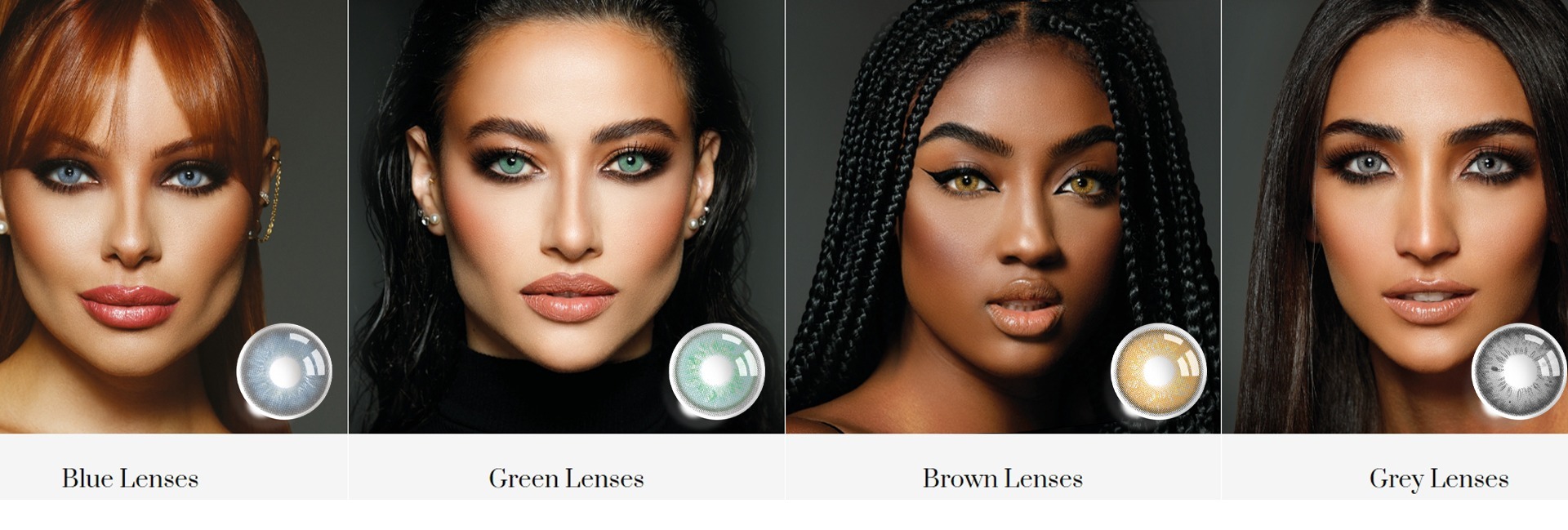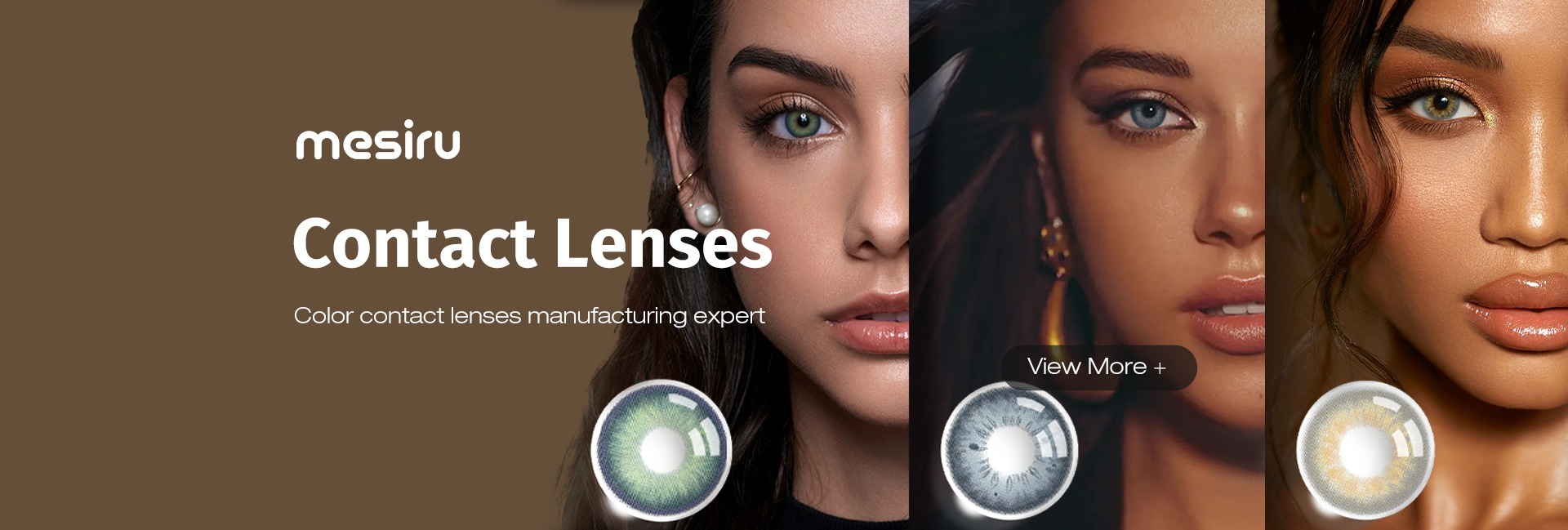
R2 Aier Blue Optical Series
Features an icy-cerulean inner radial gradient bounded by a feathered charcoal limbal transition. Cast molded with micro-encapsulated sandwich dye to eliminate corneal pigment abrasion.
Formulated with biocompatible Poly-HEMA and high-Dk silicone macromers. Engineered with biomimetic iris patterns, ultra-smooth cast-molded edge contours, and isolated non-leaching dye matrices. Below are eight high-volume, ready-to-scale SKUs optimized for immediate brand customization.
Features an icy-cerulean inner radial gradient bounded by a feathered charcoal limbal transition. Cast molded with micro-encapsulated sandwich dye to eliminate corneal pigment abrasion.
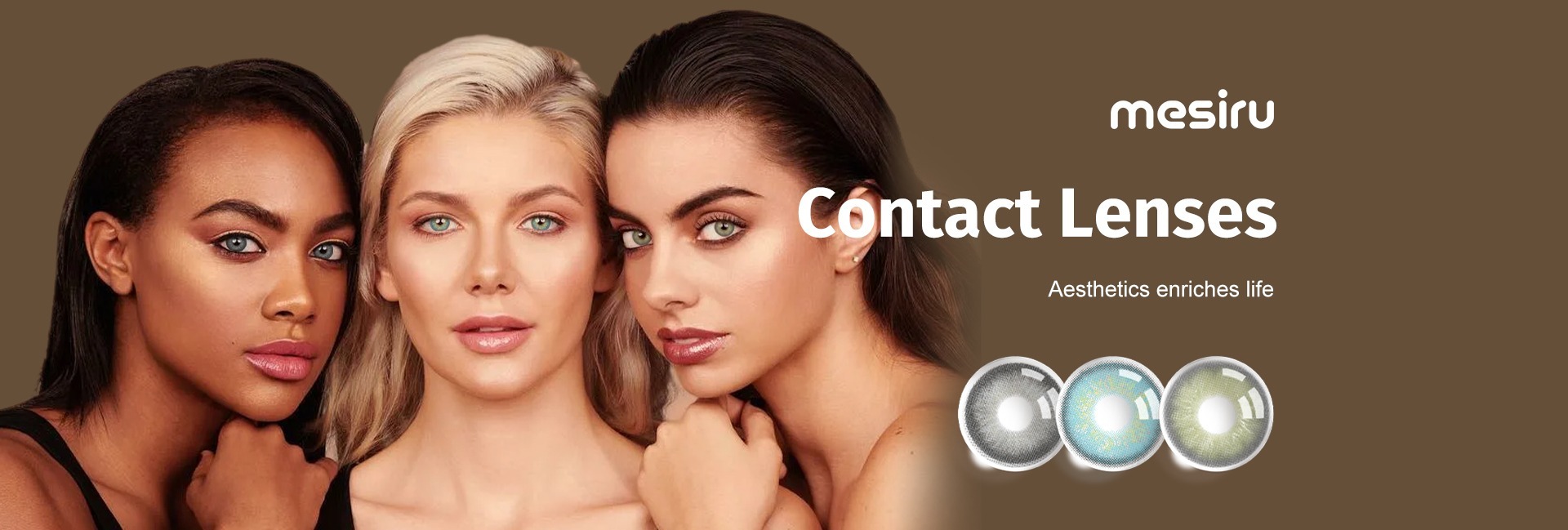
Subtle olive-emerald saturation modeled on natural Northern European phenotypes. Aspheric optical zone design delivers high-contrast visual acuity under low-ambient luminance conditions.
Platinum mist striations infused with warm hazel pupillary undertones. High oxygen transmissibility matrix prevents ocular redness during 14-hour continuous daytime wear cycles.
Developed for dramatic color masking over deep dark brown irises. Incorporates dual-layer opaque micro-pigment deposition with an expanded 5.5mm clear optical aperture for unobstructed vision.
No-limbal-ring architecture creating an imperceptible edge blend for understated cosmetic elevation. Precision latency polymerization prevents lens warpage and perimeter curl.
Combines luminescent yellow-green core corona with botanical forest-green peripheral dots. Surface treated with non-ionic hydrophilic coating to resist lipid and protein sedimentation.
Cobalt-to-sapphire multi-frequency printing for maximum optical depth. Optimized center thickness (0.08mm @ -3.00D) provides superior oxygen transmission without tearing risks.
Features an asymmetric lunar crescent highlight zone designed to reflect studio flash and camera lighting. The primary choice for live-stream sellers, TikTok merchants, and trend retailers.
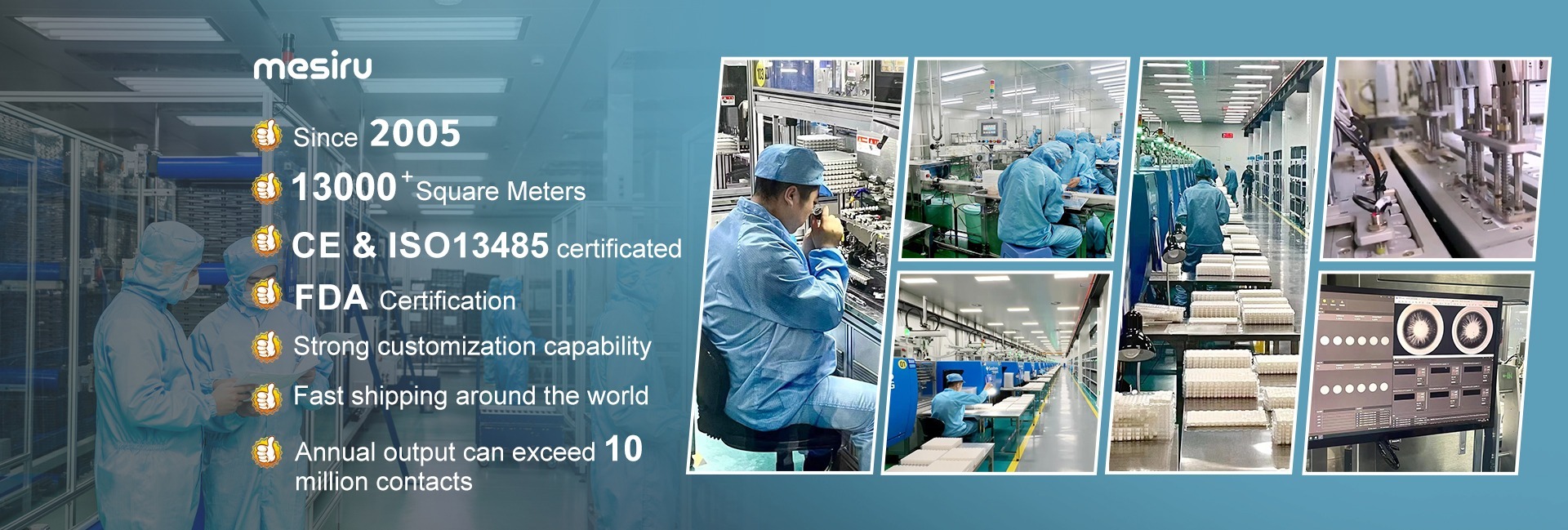
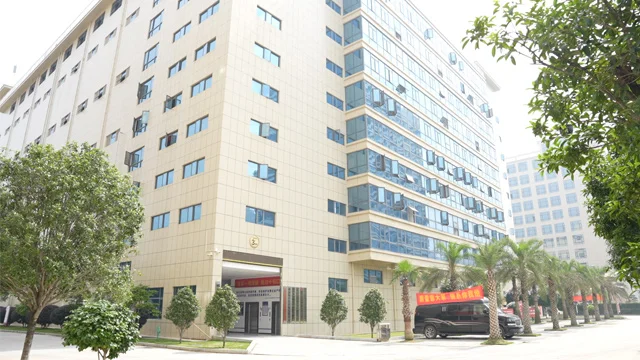
Unlike ordinary trading companies or repackaging workshops, our integrated manufacturing base in Shenzhen unites precision optics molding, proprietary polymer formulation, and Class 100,000 cleanroom controls compliant with ISO 13485:2016, EU MDR 2017/745 Annex XVI, and US FDA 510(k) protocols.
Color contact lens safety hinges on pigment entrapment. Our 3-layer sandwich technology chemically locks non-toxic, cosmetic-grade phthalocyanine and iron oxide pigments entirely within the polymer matrix core. Zero bio-reactive dye molecules come into physical contact with the corneal epithelium or palpebral conjunctiva, eliminating color leaching, foreign-body sensation, and lens-induced papillary conjunctivitis.
Every single lens blank is synthesized using computer-controlled CNC optical steel inserts and disposable high-precision polypropylene molds. This eliminates peripheral thickness variations commonly seen in spin-cast lenses. The result is strict geometric consistency: diameter tolerance within ±0.05 mm and base curve deviation under ±0.03 mm, providing predictable on-eye centration and optimal tear-exchange dynamics.
Before hydration packaging, our Automated Optical Inspection (AOI) vision systems scan 100% of lenses under dark-field illumination, detecting 15-micron flash defects, edge nicks, air bubbles, and dye misalignments. Post-packaging, sealed pharmaceutical-grade PP blisters undergo high-temperature moist steam autoclave sterilization at 121°C for 30 minutes, guaranteeing a Sterility Assurance Level (SAL) of 10⁻⁶.
| Evaluation Parameter | Mesirulens OEM Factory Standard | Industry Low-Tier / Trading Workshop | Compliance Advantage |
|---|---|---|---|
| Pigment Isolation Process | Triple-Layer Enclosed Sandwich Polymerization | Surface pad printing or single-side coating | Zero Epithelial Contact |
| Quality Certification | ISO 13485:2016, CE (EU MDR 2017/745), US FDA 510(k) | General ISO 9001 or expired CE MDD directive | Customs Clearance Certainty |
| Optical Mold Technology | Diamond-turned CNC fully automated cast molding | Manual lathe cutting or re-used plastic molds | ±0.03 mm BC Repeatability |
| Edge Profile Design | Multi-tapered round edge design for tear fluid exchange | Square-cut or blunt edge causing friction | Superior All-Day Comfort |
| Private Label Packaging | Automated foil blister sealing with UDI / QR tracing | Generic unverified blister foil sealing | Full Supply Chain Traceability |
Procurement executives and private-label distributors face rapid shifts in medical regulatory standards, polymer chemistry, and global consumer consumption patterns. Our research outlines the six key trajectories shaping contact lens contract manufacturing through 2030.
Cosmetic colored lenses without corrective power are no longer treated as lifestyle goods in the European Union. Under Regulation (EU) 2017/745 Annex XVI, cosmetic contact lenses are subject to identical Class IIa medical device clinical evaluation, Notified Body audits, Unique Device Identification (UDI) tracking, and EUDAMED registration. Brands relying on non-certified OEM suppliers risk port-of-entry border seizures. Mesirulens provides complete technical documentation, biological safety evaluations (ISO 10993), and authorized EU-Representative (EC REP) assistance.
While traditional Poly-HEMA (Dk/t ~15-25) dominates mass cosmetic markets, tier-one medical distributors are aggressively transitioning toward silicone-hydrogel (SiHy) formulations boasting Dk/t values exceeding 85. This surge is driven by consumer demand for all-day comfort without hypoxic corneal edema. Our R&D division is piloting patented macromonomer chemistry that balances hydrophobic siloxane channels with high-water content surface hydrophilic grafting, setting the next standard for luxury cosmetic lenses.
Historically, 30% to 45% of potential contact lens wearers suffered from astigmatism and were forced to choose between vision correction and cosmetic beauty. The market is witnessing rapid margin expansion in custom toric cosmetic lenses. By combining back-surface toric designs with dynamic prism-ballast stabilization, our OEM manufacturing enables independent brands to capture this high-loyalty, high-retention demographic with customized cylinder (-0.75D to -2.75D) and precise axes (10° to 180°).
Coarse, visible dot patterns of the previous decade are entirely obsolete among Gen Z and millennial buyers. Market preference has migrated decisively toward sub-micron bio-mimicking color dot matrices that simulate the human trabecular meshwork and collarette structure. Utilizing ultra-high-resolution clichés and multi-tone micro-drop transfer, our design laboratory creates lenses that seamlessly blend with underlying iris pigments, ensuring undetectable natural enhancement under natural daylight.
ESG compliance and environmental responsibility are becoming core purchasing criteria for major pharmacy chains and e-commerce aggregators in North America and Western Europe. Emerging procurement tenders favor ultra-thin, low-polypropylene thermoformed blisters, solvent-free peelable foil adhesives, and FSC-certified secondary paperboard packaging. We offer full bio-degradable and minimal-plastic packaging configurations that reduce overall carbon logistics footprints by up to 28%.
The rise of TikTok Shop, live-stream shopping, and social-first beauty commerce demands unprecedented brand agility. Legacy suppliers demanding 50,000 units per color SKU are being abandoned in favor of flexible OEM factories that offer rapid private-label sampling, low initial custom minimums (500 pairs per shade), and multi-SKU consolidated shipping. Mesirulens bridges this divide with dedicated micro-batch printing lines backed by 3,000+ ready-to-ship stock designs.
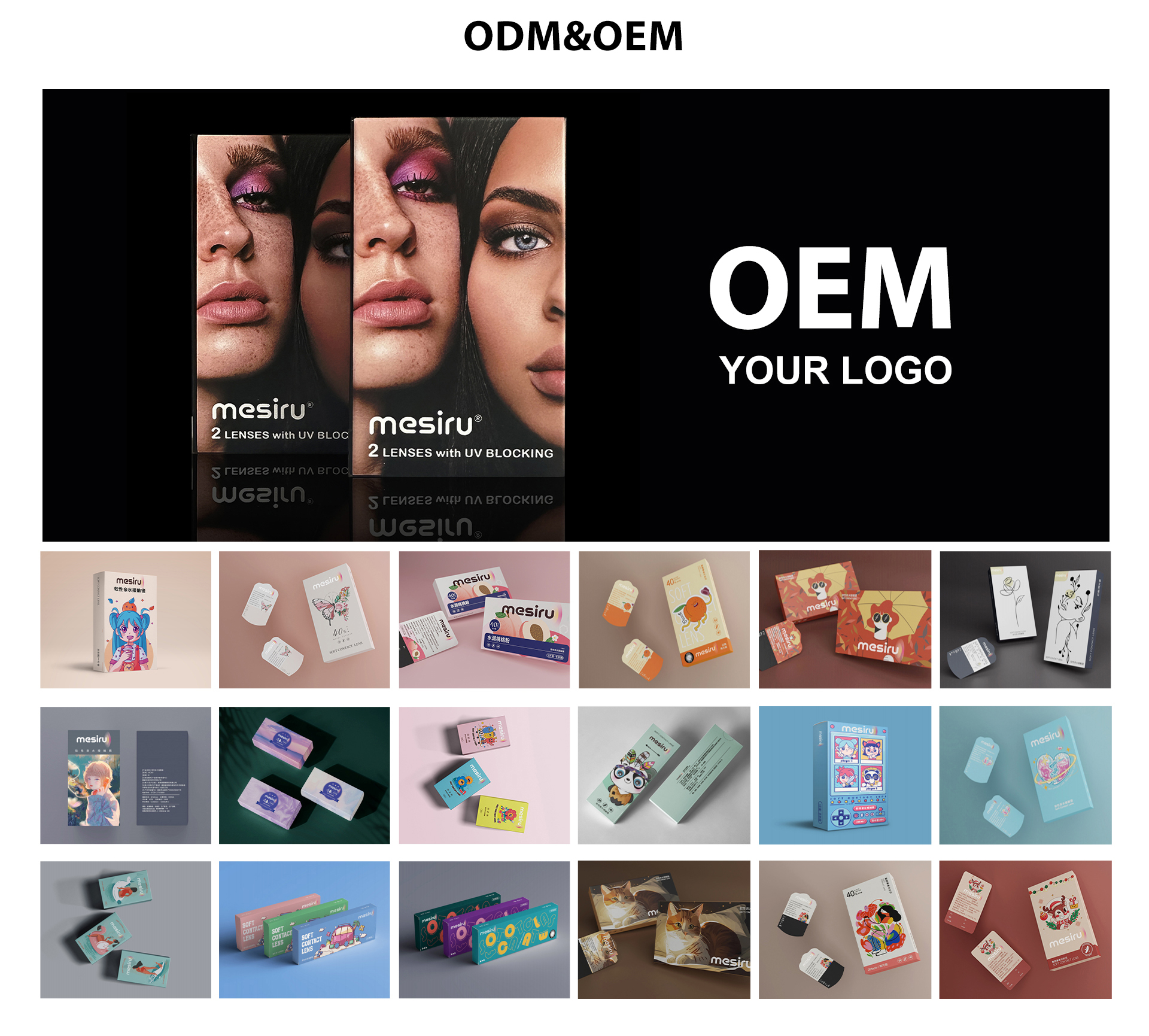
From optical parameter customization to sterile packaging engineering, we provide a complete end-to-end OEM/ODM framework. You bring your brand identity; our factory handles formulation, registration dossiers, automated filling, and international freight forwarding.
Clear, compliance-backed answers addressing the legal, physical, and logistics questions international distributors evaluate before initiating contract manufacturing.
Non-corrective cosmetic lenses imported into the EU must meet Regulation (EU) 2017/745 Annex XVI requirements. Our factory maintains an active ISO 13485:2016 quality management system audited by accredited European Notified Bodies. We provide clients with technical files containing biocompatibility reports (ISO 10993 cytotoxicity, ocular irritation, sensitization), leachability testing data, Declaration of Conformity (DoC), authorized EC REP representation data, and multilingual Instructions for Use (IFU) formatted to European health authority regulations.
We provide a tiered MOQ structure designed to support both agile venture launches and high-volume corporate tenders. For our catalog of 3,000+ pre-developed shades packaged with custom exterior brand cartons and foil lids, the MOQ starts at just 500 pairs per shade. For entirely bespoke iris designs, proprietary colorways, or specialized toric parameters, custom mold casting requires an MOQ of 2,000 to 5,000 pairs per formulation with volume tier price breaks.
We employ an automated micro-encapsulated sandwich embedding process. During monomer injection, the pigment matrix is physically situated between two identical clear layers of un-polymerized Poly-HEMA prepolymer before simultaneous thermal curing. This creates a homogeneous cross-linked polymer envelope. Every production lot undergoes accelerated solvent extraction and mechanical rub testing to guarantee zero pigment migration onto corneal surfaces over the lens's 5-year shelf life.
For in-stock catalog designs, orders are prepared, inspected, and dispatched within 3 to 7 business days. Custom private label projects requiring primary blister foil plate-making, carton printing, and custom sterile filling run on a 25 to 35-day production cycle from final digital artwork proof approval. We coordinate door-to-door express air delivery (5–8 days via DHL/FedEx) as well as commercial air and ocean freight with DAP/DDP terms to streamline customs release.
Yes. Our ODM engineering covers plano (0.00D), spherical myopia (-0.50D to -10.00D in 0.25D increments), and custom toric parameters for astigmatic patients. Toric color lenses utilize an advanced prism-ballast dynamic stabilization geometry, ensuring the lens settles rapidly at the prescribed axis (10° to 180°) without rotational blur, while keeping the cosmetic color patterns properly oriented on the cornea.
We provide medical-grade polypropylene (PP) blister bowls sealed with heat-bonded aluminum barrier foil, compatible with single-pack, dual-pack, 10-pack, and 30-pack daily disposable secondary carton formats. Glass vial packaging (5ml/10ml with flip-off crimp seals) is also supported for traditional yearly replacement markets. All blister lots are steam autoclaved, lot-coded, and serialized with verifiable 5-year expiration dates.
Connect directly with our optical engineering team to review shade formulations, request physical sample test kits, audit our cleanroom documentation, or receive a complete quotation tailored to your market.