
Featured OEM/ODM Portfolio
High-Demand Cosmetic Lenses & Packaging Solutions
Explore our top-tier cosmetic contact lens collections and white-label accessory ecosystems designed for global distributors and private label beauty brands.
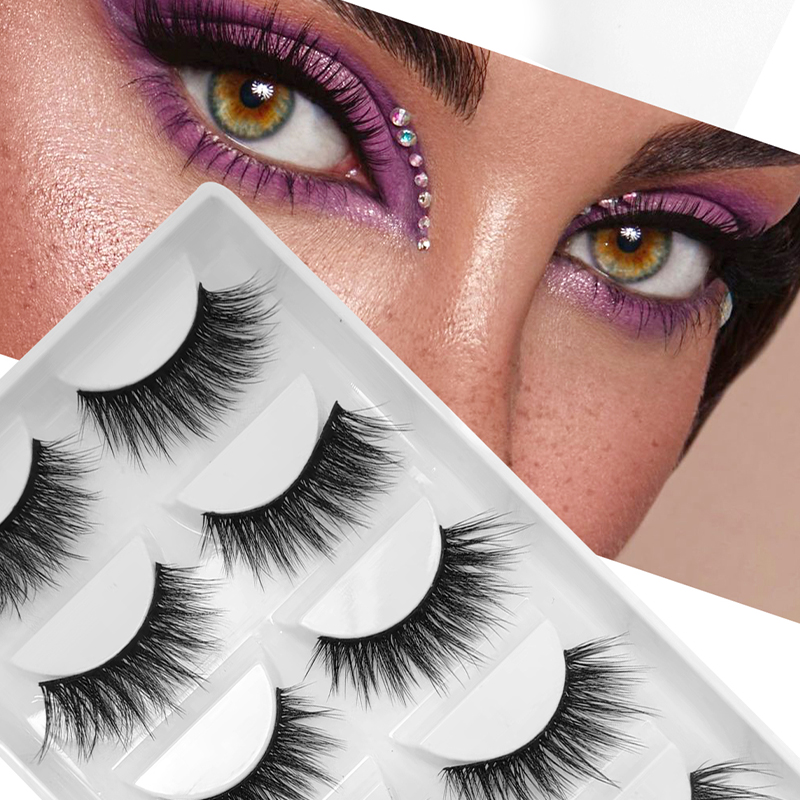
Factory Cheap Wholesale Private Label Full Strip Lashes False Eyelashes
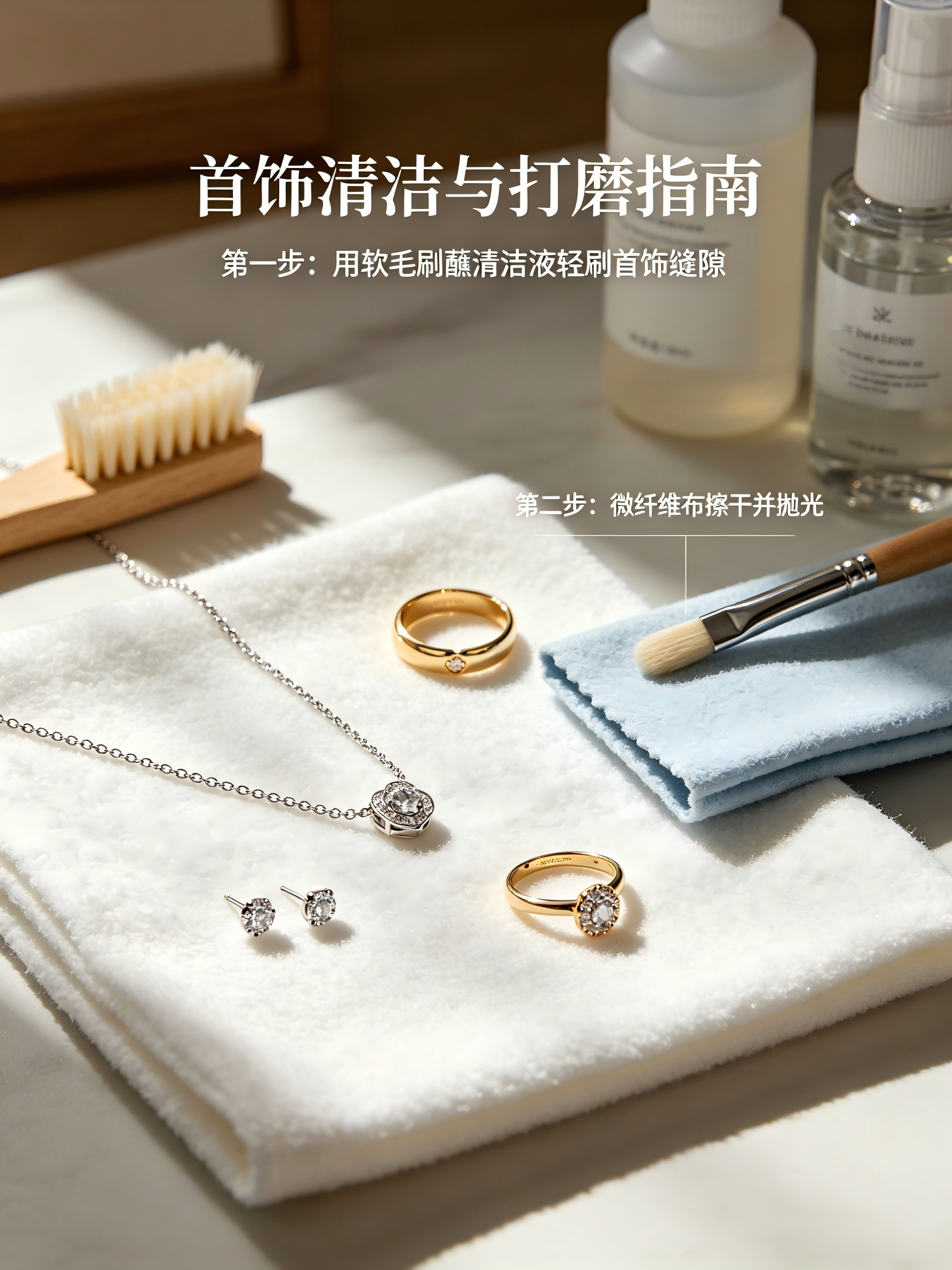
Special Polishing and Cleaning Tools for Gold and Silver Jewelry Removes Oxidation and Scratches
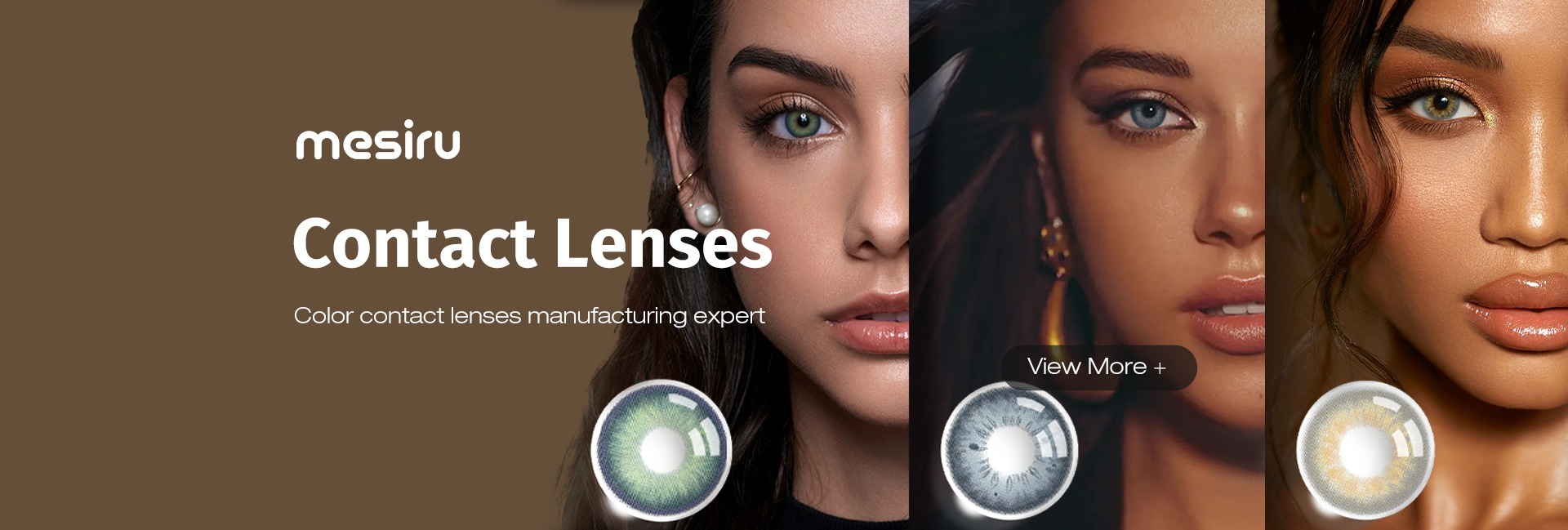
R2 Aier Blue Multi-Tone Natural Iris Color Contact Lens (Monthly / Yearly)
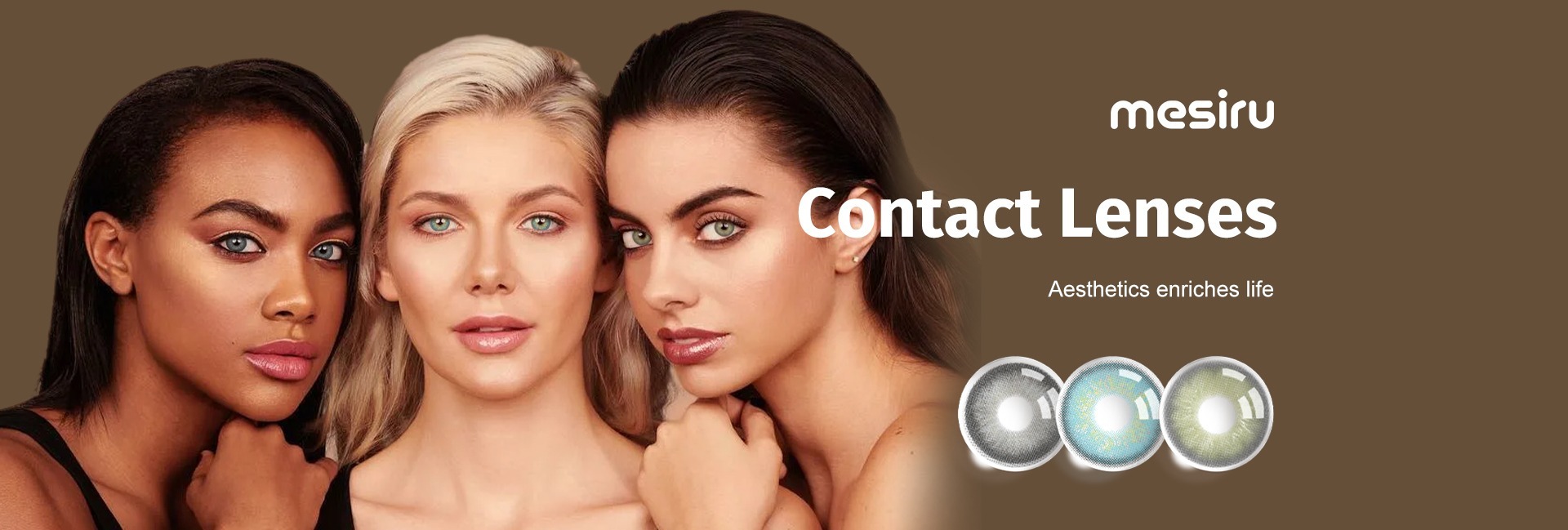
R1 Germanic Green Soft Hydrogel Cosmetic Contact Lenses Wholesale
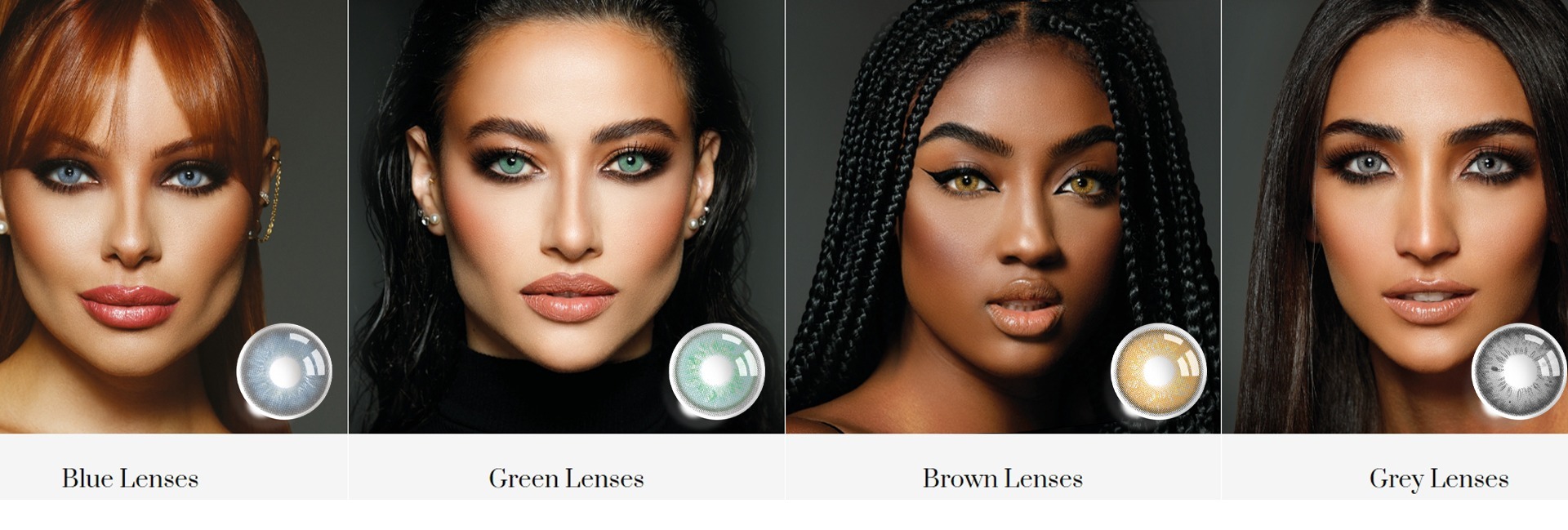
R3 God Gray High-Water Content Natural Color Contact Lenses
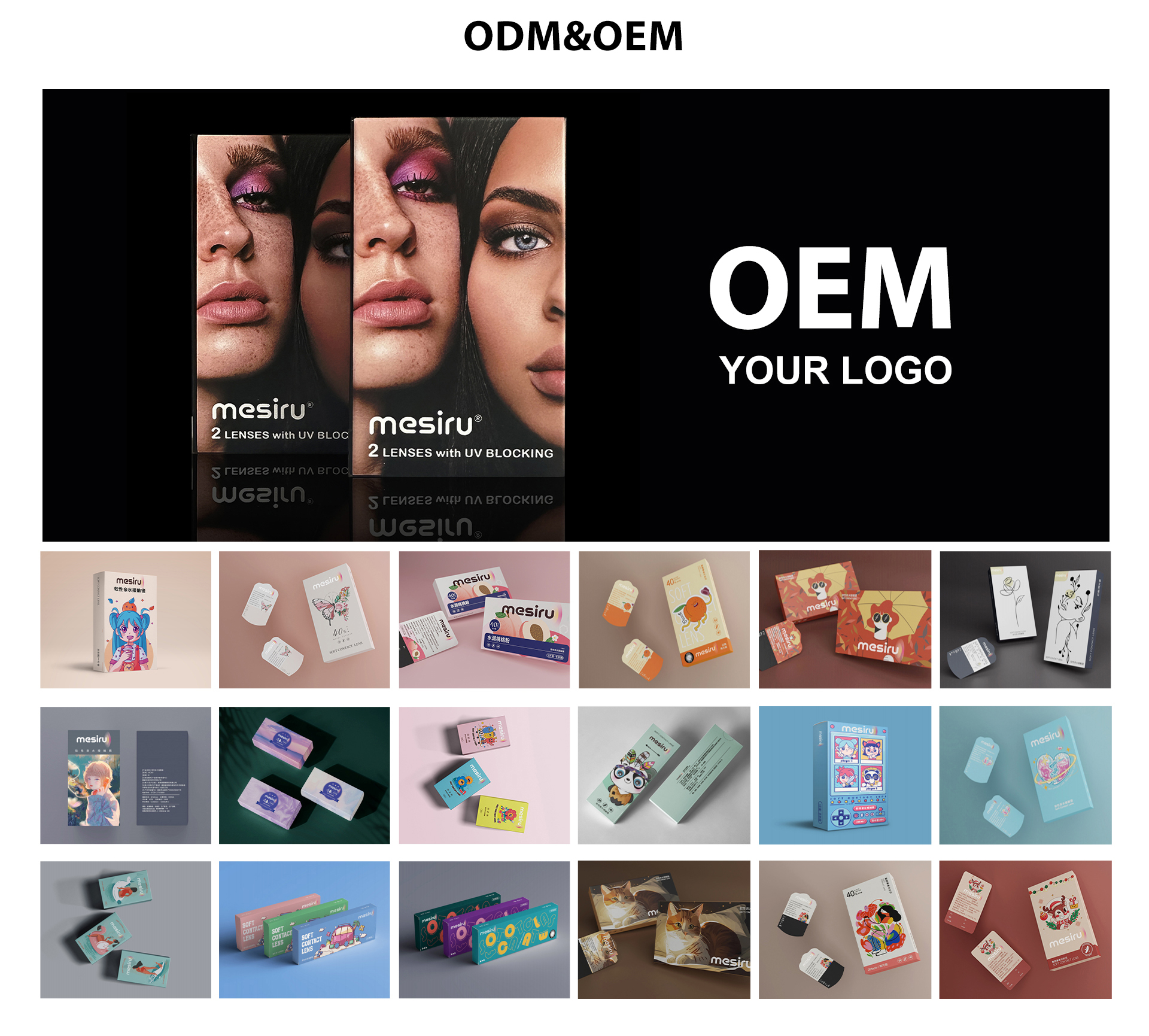
Custom Private Label OEM Cosmetic Contact Lens Packaging & Blister Sets

Custom ODM Astigmatism Toric & Myopia Color Contact Lenses Series
Executive SEO Whitepaper
The State of OEM/ODM Cosmetic Contact Lens Manufacturing
Understanding Material Science, Regulatory Compliance, and Supply Chain Engineering for B2B Importers and Optical Chains.
The global cosmetic contact lens market has evolved from a niche novelty category into a multi-billion-dollar segment of the medical optics and beauty industries. Modern consumers no longer view colored contact lenses merely as vision-correction tools, but as essential beauty accessories that demand high comfort, natural aesthetic integration, and strict ocular safety. For global wholesalers, brand owners, and optical retail chains, selecting an qualified Original Equipment Manufacturer (OEM) and Original Design Manufacturer (ODM) is the single most critical strategic decision in securing market share and brand equity.
Material Science Engineering: Polymacon (HEMA) vs. Silicone Hydrogel
In high-volume B2B contact lens procurement, understanding raw material polymer chemistry directly correlates with consumer satisfaction, repeat purchase rates, and clinical safety compliance. OEM manufacturers utilize two primary material families for color lenses:
| Technical Parameter | HEMA Hydrogel (Polymacon / 2-HEMA) | Silicone Hydrogel (SiHy Modern ODM) |
|---|---|---|
| Oxygen Transmissibility (Dk/t) | 18 – 28 Dk/t (Standard daily/monthly wear) | 80 – 120+ Dk/t (Extended wear, superior corneal oxygenation) |
| Water Content Range | 38% – 45% (Optimum balance preventing dehydration) | 45% – 58% (High initial moisture matrix) |
| Modulus (Lens Flexibility) | Lower Modulus (Soft, gentle initial fit) | Slightly Higher Modulus (Structural stability, crisp optics) |
| Pigment Encapsulation Method | Sandwich Micro-Printing (3-Layer Lock) | 3-Layer Polymer Matrix Interlocking |
| Primary Market Application | Mass Beauty Retail, Fast Fashion, Daily/Monthly SKUs | Premium Optical Chains, Clinical Eye Care, Extended Comfort |
While standard HEMA-based hydrogels remain the global benchmark for cost-effective mass-market color contact lenses due to their proven comfort curve and excellent color vibrancy retention, premium ODM brands are increasingly adopting next-generation Silicone Hydrogels. By combining silicon macromers with hydrogel monomers, SiHy lenses deliver up to 5x higher oxygen transmissibility directly to the cornea, drastically reducing ocular fatigue and hyperemia during prolonged digital screen use.
Factory Advantage
Why Partner with Shenzhen Mesirulens Technology
Precision manufacturing, comprehensive regulatory readiness, and unmatched OEM/ODM flexibility built over decades of industrial leadership.
Class 100,000 Cleanroom Precision
Our state-of-the-art automated production base operates under ISO 13485 medical device quality management standards inside dust-free Class 100,000 cleanrooms. Automated cast-moulding technology ensures identical base curves (8.6mm) and diameter tolerances (±0.05mm) across millions of units.
3,000+ Ready SKUs & Low MOQs
Maintain extreme agility with our vast stock library encompassing natural irises, dramatic cosplay accents, glow effects, and multi-tone hazel/grey designs. Choose between rapid-dispatch inventory for trial orders or fully customized private label packaging built to your brand guidelines.
Regulatory & EU MDR Compliance
We provide full technical documentation dossiers required for worldwide market access, including CE conformity, US FDA registration, ISO 13485 certification, lab cytotoxicity evaluations, and EU MDR (2017/745 Annex XVI) non-corrective cosmetic device files.
Bio-Encapsulated "Sandwich" Tech
Safety is non-negotiable. Our proprietary 3-layer sandwich printing locks raw color pigments securely between two micro-thin, transparent hydrogel layers. Color pigments never contact corneal tissues or conjunctiva, eliminating chemical dye leach and friction irritation.
Full Turnkey ODM Customization
Beyond standard color variations, our ODM engineering team develops custom myopia powers (-0.00 to -8.00 D), astigmatism toric corrections, bespoke base curves, unique limbal ring darkness levels, and customized bilingual packaging with native localized artwork.
Global DDP Fulfillment & Logistics
We streamline cross-border logistics through dedicated air express, sea freight, and rail routes with complete DDP (Delivered Duty Paid) options. Orders clear EU and North American customs smoothly with pre-printed UDI barcodes and batch-level traceability.
Strategic Procurement Insight
Future Sourcing Trends for Cosmetic Contact Lens Buyers
Anticipating shifts in consumer preferences, material technology, and global regulatory frameworks over the next decade.
1. Transition Toward Natural Bio-Mimetic Iris Aesthetics
The global market is witnessing a decisive shift away from high-opacity, artificial single-tone lenses toward bio-mimetic iris replication. Modern consumers demand subtle enhancement that replicates natural human iris histology—incorporating radial striations, subtle limbal blurring, and multi-layered translucent pigments. OEM manufacturers utilizing high-definition digital dot-matrix printing can reproduce realistic eye patterns that adapt seamlessly to underlying dark or light eyes.
2. Hyper-Demand for Astigmatism (Toric) Color Lenses
Historically, patients with astigmatism were excluded from wearing cosmetic colored lenses due to the high cost of custom toric tooling. ODM manufacturing technology now enables cost-effective, mass-produced toric cosmetic contact lenses featuring dynamic back-surface stabilization (ballast technology). Offering prescription color correction for astigmatism presents an untapped, high-margin opportunity for optical distributors.
3. Eco-Friendly Packaging and Sustainable Manufacturing
Environmental regulations and consumer eco-consciousness are driving demand for reduced plastic waste in contact lens packaging. Future procurement strategies emphasize recyclable foil blister packs, biodegradable secondary cartons, and weight-optimized shipping solutions. Factories that adopt closed-loop water filtration and automated cleanroom energy recovery system provide brands with a strong sustainability narrative.
4. Strict Enforcement of Medical Device Traceability (UDI & EU MDR)
The regulatory boundary between corrective medical devices and non-corrective cosmetic lenses has dissolved in major international jurisdictions. Regulations like the European Union's EU MDR (2017/745 Annex XVI) treat zero-power cosmetic lenses with the same scrutiny as prescription medical optics. Importers must align exclusively with OEM suppliers capable of printing Unique Device Identification (UDI) codes on individual blisters and providing complete technical dossiers.
R&D Innovation
Product Development & Technological Frontiers
How state-of-the-art manufacturing techniques elevate lens safety, visual acuity, and long-wear comfort.
Micro-Encapsulation Technology
Advanced pigment grinding reduces raw dye particles to sub-micron scales. These micro-particles are encapsulated inside biocompatible hydrogel sheaths prior to matrix printing, guaranteeing absolute smooth lens surfaces that prevent corneal friction and protein deposit buildup.
Aspheric Optical Curve Design
Traditional spherical contact lenses suffer from peripheral optical aberration. Our advanced ODM lens geometries feature computer-calculated aspheric front curves that focus light precisely on the central retina, delivering razor-sharp visual clarity even under low-light conditions.
Moisture-Lock Hyaluronic Additives
By incorporating bio-compatible hydrating agents like Sodium Hyaluronate (HA) and Poloxamer into the sterile storage saline solution, lenses remain lubricated throughout their shelf life, offering instant day-one insertion comfort for sensitive eyes.
Procurement Guidance
Frequently Asked Questions (FAQ) for B2B Buyers
Essential regulatory, manufacturing, and commercial answers for cosmetic contact lens wholesalers and private label brands.
What are the minimum order quantities (MOQs) for OEM private label manufacturing?
Our flexible OEM program accommodates both emerging boutique beauty brands and established retail distributors. For ready-to-ship stock SKUs featuring custom localized labeling, minimum orders start as low as 50 to 100 pairs per shade. For fully custom packaging (custom blister foil printing, proprietary color box design, localized IFU inserts), standard MOQs range from 500 to 1,000 pairs per power/color combination.
Are non-corrective (plano 0.00) cosmetic lenses regulated as medical devices?
Yes. In virtually all major global markets—including the European Union (under EU MDR 2017/745 Annex XVI), the United States (US FDA 510k), Canada, and Saudi Arabia (SFDA)—zero-power cosmetic contact lenses are classified as Class IIa or Class II medical devices. They must be produced in certified cleanrooms under ISO 13485 quality standards, and importers must retain full technical dossiers, CE certificates, and batch traceability records.
How does the 3-layer "Sandwich" color printing process protect eye health?
The sandwich method encapsulates the organic color pigments entirely within two solid polymer layers of clear hydrogel material. Unlike cheap or direct-printed counterfeit lenses where dye is sprayed on the exterior surface, our bio-encapsulation ensures that pigments never come into contact with the cornea or eyelid conjunctiva, preventing pigment leaching, allergic reactions, and surface abrasion.
Can you produce custom myopia prescription powers and toric lenses for astigmatism?
Yes! Our comprehensive ODM capabilities include vision correction powers ranging from -0.00 to -8.00 D in precise 0.25 D increments (-0.50 steps above -6.00 D). Additionally, we design and produce custom toric color contact lenses featuring back-surface cylinder orientation for astigmatism correction, allowing optical practices to offer cosmetic options to all prescription patients.
What custom design options are available for private label packaging?
We offer total turnkey packaging customization: custom-shaped secondary paperboard boxes, foil-stamped or spot-UV logos, custom blister sealing foils, branded companion lens cases, insertion tweezers, travel kit boxes, and localized multilingual Instruction for Use (IFU) leaflets compliant with regional regulatory requirements.
What is the standard production timeline and shipping duration for B2B orders?
For stock inventory shipments, goods are inspected, packed, and dispatched within 3 to 7 business days. Custom OEM orders requiring new packaging design and sample approval typically take 15 to 25 calendar days for mass production. Air express delivery (DHL, FedEx, UPS) to Europe or North America takes 5 to 8 days, while sea or rail DDP freight takes 20 to 35 days depending on destination port.
Do you offer samples for clinical evaluation and shade testing before mass ordering?
Absoltely. We encourage wholesale clients to request sample kits to evaluate material softness, hydration stability, color opacity on real eyes, and packaging quality. Contact our business development team via the inquiry portal to arrange tailored sample kits for your target demographic.
Start Your Brand Journey
Ready to Launch Your Custom OEM/ODM Cosmetic Lens Line?
Partner with an industry-leading manufacturer trusted by global optical chains and direct-to-consumer beauty brands. Request our updated product catalog, compliance dossiers, and wholesale pricing today.