R2 Aier Blue Natural Multi-Tone Lens
Precision cast-molded cosmetic contact lenses engineered with light-attenuating ice-blue patterns and seamless limbal transition rings.
- Diameter (DIA): 14.2 mm
- Base Curve (BC): 8.6 mm
- Material: Poly-HEMA 38%
Clinically validated hydrogel lenses, multi-tone color architectures, and high-integrity secondary accessories for high-volume distributors.
Precision cast-molded cosmetic contact lenses engineered with light-attenuating ice-blue patterns and seamless limbal transition rings.
Designed specifically for dark-eyed demographics requiring realistic, photorealistic tonal blending without artificial chromatic distortion.
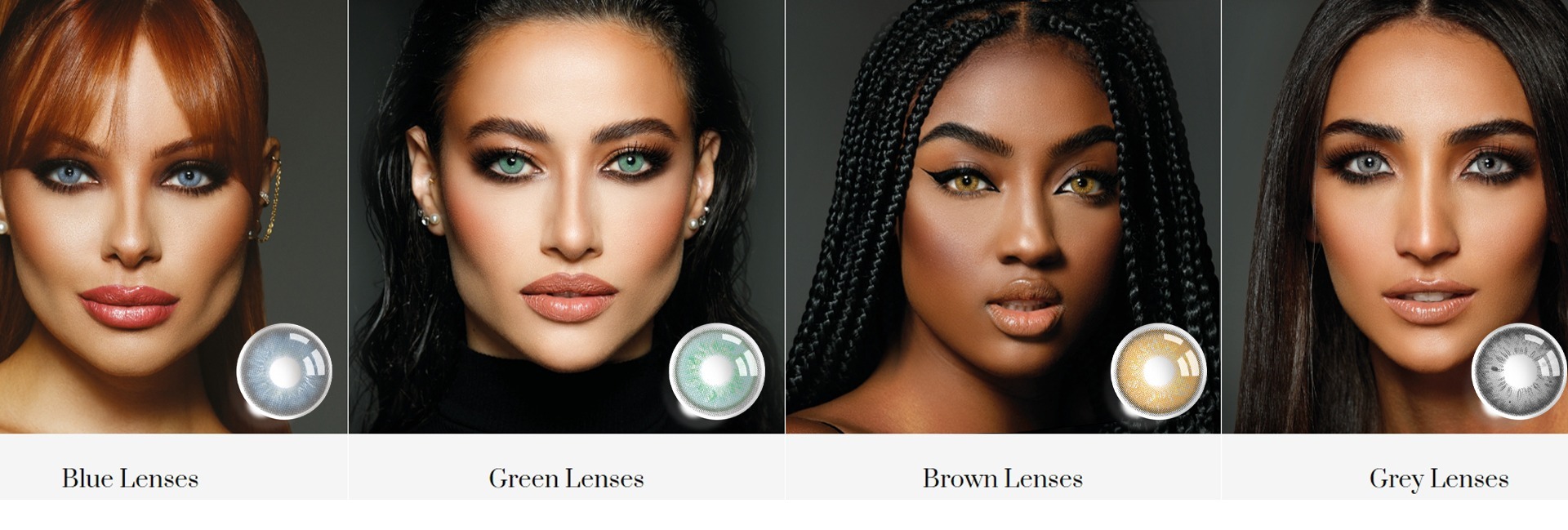
Industrial-grade color rendering featuring cold-gray outer matrix pigmentation combined with a warm, hazel inner corona.
Enhanced vibrancy profile curated for visual retail environments, beauty studios, e-commerce influencers, and theatrical requirements.

Top-velocity commercial SKU featuring natural warm brown gradients, designed for seamless adaptation on fair, olive, and deep skin tones.

Turnkey rigid gift packaging solution featuring precision-fit moisture-resistant inserts for premium OEM contact lens presentation kits.
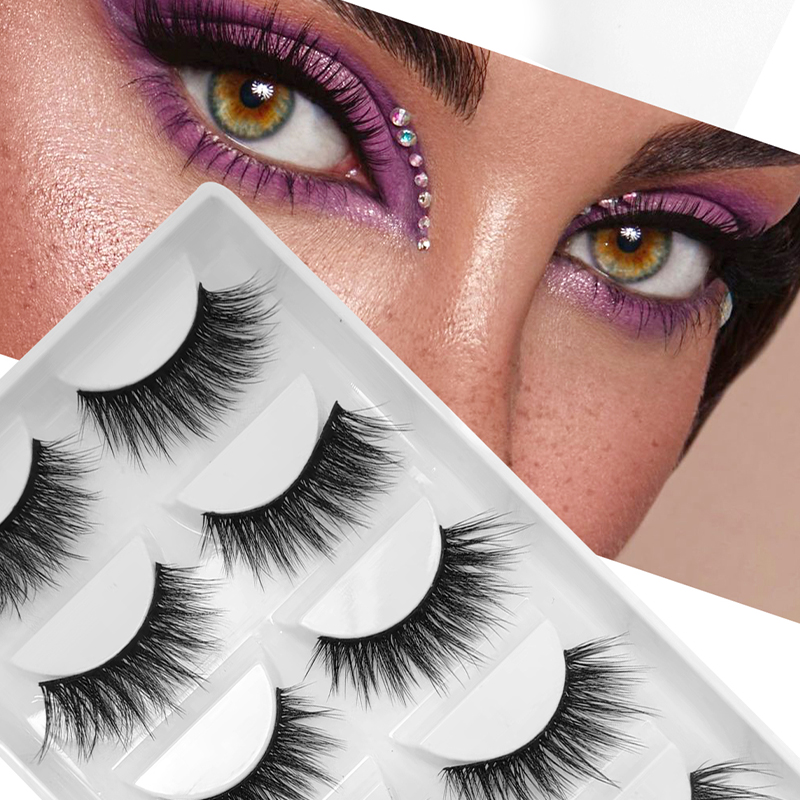
Ancillary eye-cosmetic portfolio expander engineered for distributors targeting optical chains, cosmetic boutiques, and beauty salons.
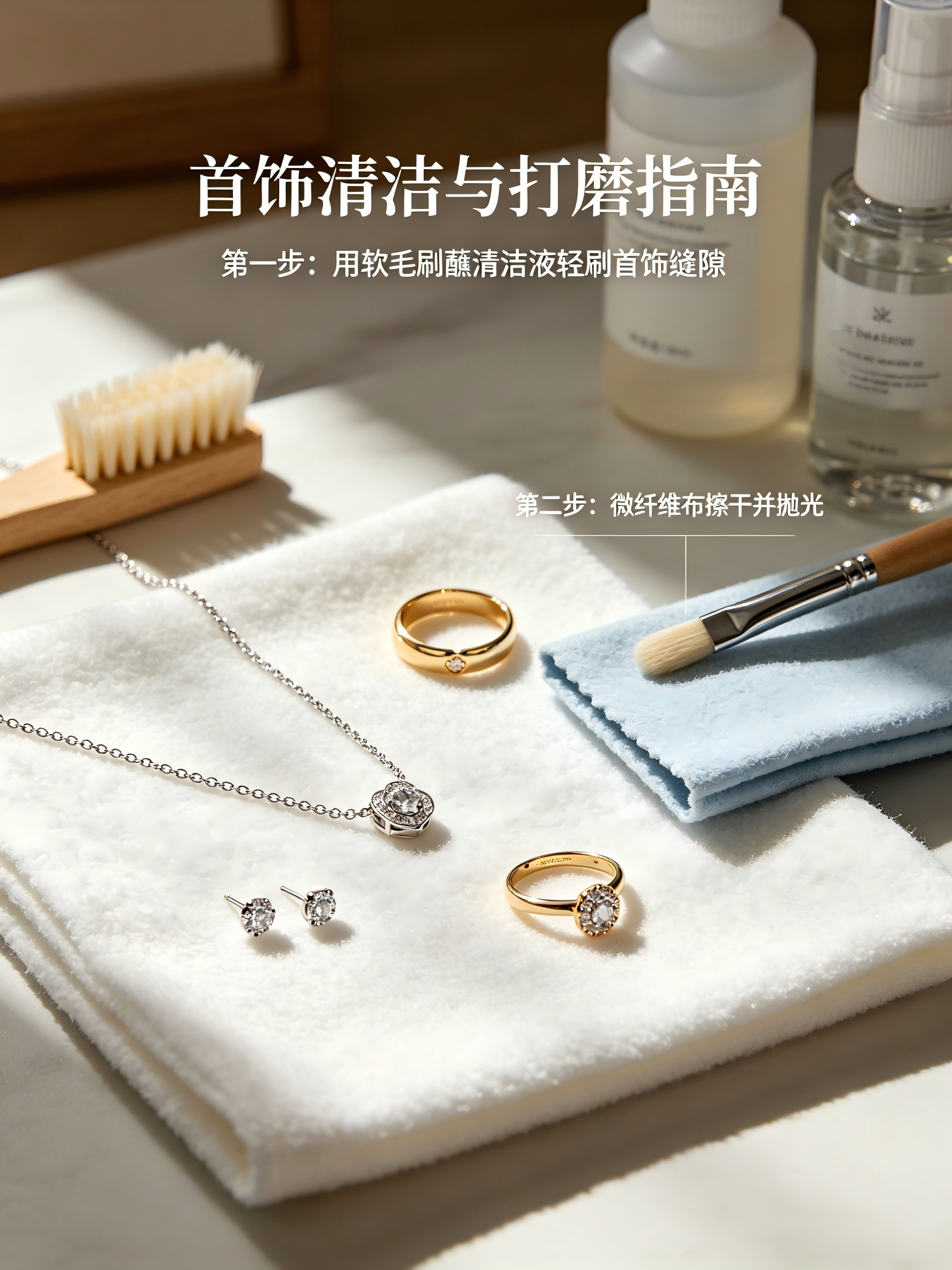
Industrial ultra-fine maintenance apparatus suitable for high-precision optical accessory care, retail counter sanitization, and metalwork maintenance.
The global market for custom OEM cosmetic contact lenses has transitioned from a fashion accessory niche into a strictly policed medical and aesthetic category. Procurement directors, brand managers, and optical pharmacy chains face rigorous scrutiny under modern regulatory architectures, notably the European Union Medical Device Regulation (EU) 2017/745 (MDR) Annex XVI, which explicitly classifies non-corrective colored lenses alongside prescriptive ocular devices. Sourcing low-cost alternatives without end-to-end technical documentation, raw material biocompatibility validation, and cleanroom traceability introduces catastrophic customs liabilities, brand recalls, and user keratitis risks.
Procurement strategies across Tier-1 distributors in North America, the European Union, and East Asia reflect distinct shifts toward technical risk mitigation and SKU velocity. First, Regulatory Pre-Clearance Integration has superseded unit-cost haggling. B2B buyers now mandate that suppliers provide pre-compiled technical dossiers, declarations of conformity, ISO 13485:2016 audit reports, and complete biocompatibility data (ISO 10993 cytotoxicity, ocular irritation, and systemic toxicity tests) before sampling commences. Second, brand owners are moving rapidly toward Hybrid Prescription-Cosmetic Convergence. Historically segregated into plano (0.00 D) vanity lines, modern retail buyers demand identical aesthetic pattern prints across broad refractive matrices (0.00 to -8.00 D in 0.25 D steps), coupled with custom astigmatic toric configurations to service the 30%+ of cosmetic consumers requiring astigmatic correction.
Third, procurement cadence is shifting away from monolithic yearly contracts toward Agile Micro-Batch Replenishment. In the digital commerce age, consumer shade virality is dictated by platforms like TikTok and Instagram. Distributors demand OEM partners maintain robust buffer inventories of raw cast-molded blister blanks while offering rapid-run secondary packaging customization (custom outer cartons, bilingual leaflets, and barcode overprinting) within 7 to 10 operational days.
Technological differentiation in contract manufacturing centers on ocular safety and corneal respiration. Early cosmetic lenses utilized rudimentary surface-printing techniques where colorants were direct-printed onto the posterior or anterior surfaces. This created abrasive surface topographies, accelerated protein deposit buildup, and risked pigment leeching into corneal micro-structures. Advanced manufacturers now utilize proprietary Sandwich Cast-Molding Technology, permanently encapsulating micronized mineral and synthetic colorants inside the central poly-HEMA hydrogel layer. This guarantees a glass-smooth surface coefficient of friction (μ < 0.02) and eliminates direct eye-pigment contact.
Simultaneously, the industry is witnessing an accelerated migration toward Silicone Hydrogel Formulations with oxygen transmissibility (Dk/t) thresholds exceeding 80–120 Barrers. By synthesizing hydrophilic monomer blends with fluorosilicone polymers, manufacturers achieve balanced equilibrium: high water retention to mitigate tear film evaporation, combined with hyper-diffusive oxygen corridors that prevent limbal redness and corneal edema during extended daily wear cycles.
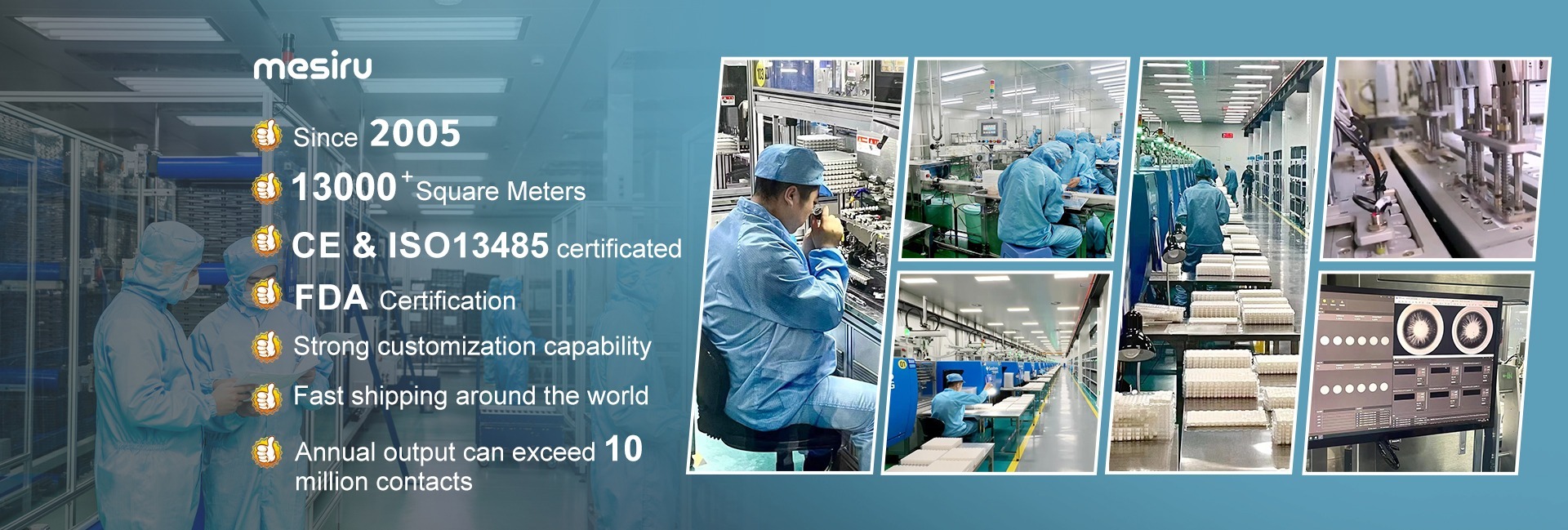
Eliminating supply chain vulnerability through vertical integration, Class 100,000 cleanroom controls, and documented regulatory compliance.
Fully audit-ready infrastructure compliant with EU MDR 2017/745 Annex XVI, FDA facility registration, and complete sterile batch release validation.
Three-layer micro-sandwich technology locks cosmetic pigments completely inside the hydrogel polymer, ensuring zero corneal contact and silky lubricity.
End-to-end bespoke services encompassing optical formulation, bespoke iris vector design, custom blister printing, and localized multi-lingual packaging.
Direct air express, sea freight, and dedicated DDP clearance lines to EU and North American hubs, preventing customs delays or tariff misclassifications.
Clear engineering and procedural answers to streamline international trade due diligence.
Under Annex XVI, cosmetic (plano) contact lenses without refractive power are legally classified under the same strict regulatory regime as prescription medical devices across all EU member states. Sourcing partners must supply an active Declaration of Conformity, CE certificate from a recognized Notified Body, French/German/English Instructions for Use (IFU), and sterile barrier validation. Our technical dossiers fulfill every prerequisite required by customs authorities and regional health agencies.
For pre-formulated stock shades from our 3,000+ SKU library, we facilitate low barrier trial runs starting from 50–100 pairs per shade with custom private label carton overprinting. For fully customized iris patterns, unique pigment pantones, or bespoke blister foil runs, standard baseline production MOQs range from 500 to 1,000 pairs per SKU, enabling emerging beauty brands to launch without prohibitive capital lockup.
We employ high-precision automated cast-molding coupled with robotic micro-injection pad printing. Each pigment master-batch is subjected to spectrophotometric CIE L*a*b* color coordinates verification under standardized D65 illuminants. Our inline optical inspection apparatus checks 100% of lenses for pattern centering, outer edge thickness, and micro-defect voids before autoclave sterilization.
Yes. In addition to standard plano vanity cosmetics, our ODM engineering team manufactures spherical myopia powers from -0.50 D to -8.00 D (in 0.25 D increments) and -8.50 D to -10.00 D (in 0.50 D increments). Our proprietary back-surface toric prism ballast stabilization designs allow brands to market aesthetic color lenses to astigmatic wearers with rock-solid rotational stability.
We provide medical-grade PP blister packaging sealed with heat-fused aluminum multi-layer foils, as well as traditional glass vial formats. Blister labeling features automated inkjet lot number, manufacturing date, and expiry date coding compatible with GS1-128 and 2D DataMatrix standards. All secondary packaging can be customized with bilingual or multilingual layouts per target destination regulations.
Stock catalog orders are dispatched from our central warehouse within 3 to 7 business days. Custom private label packaging and printing runs typically require 15 to 20 working days for complete molding, autoclaving, quality release, and packaging. Direct air express delivery to European and North American metropolitan centers averages 5 to 8 working days, backed by DAP or DDP customs clearance.
Connect with our technical optical engineers and private label specialists to obtain the complete B2B wholesale catalog, regulatory documentation portfolios, and sterile product samples.
Inquire Now