Engineered Contact Lens Collections & Core Supply Matrix
Explore our top-performing medical-grade cosmetic contact lenses and specialized auxiliary production lines, manufactured under ISO 13485 cleanroom precision.
 Hydrogel 42%
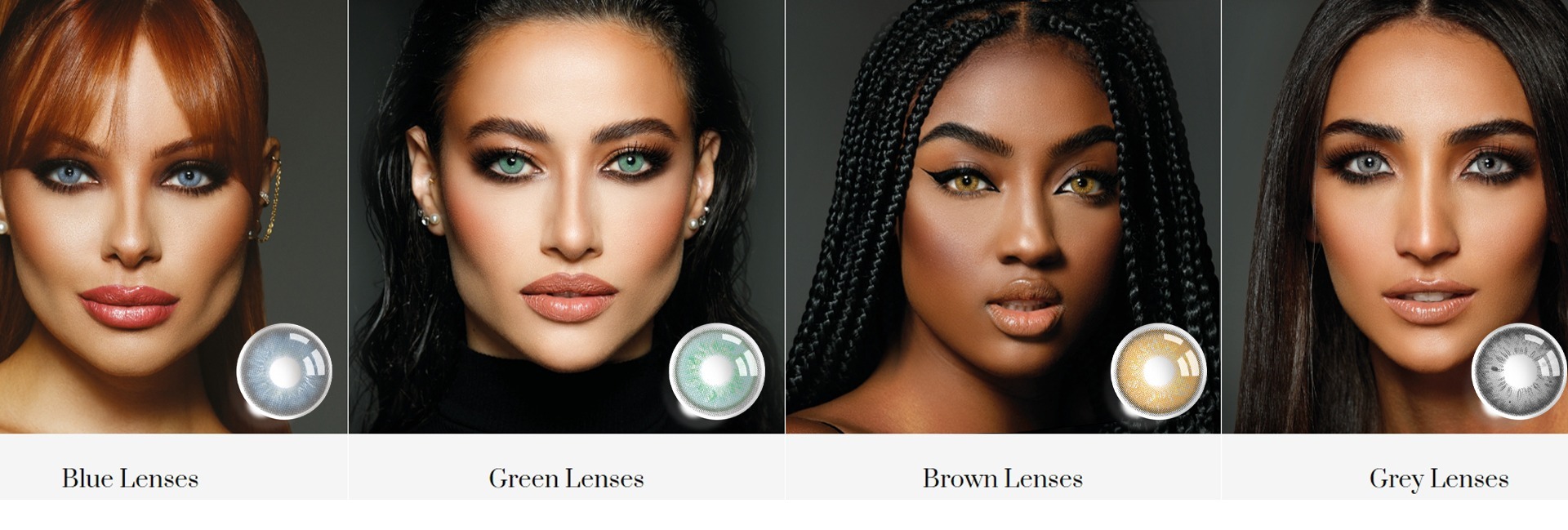
R2 Aier Blue Cosmetic Lenses
Power: 0.00 to -8.00D | Sandwich Color
 Natural Iris
R1 Germanic Green Lenses
Micro-Dot Matrix | Ultra-Thin Edge
 Fast Mover
R3 God Gray Multi-Tone
High Translucency | Daily/Monthly
 Deep Pigment
R8 Opera Green Premium
3-Tone Radial Gradient | Cast Moulded
 EU MDR Annex XVI
R4 Serene Grey Collection
Biocompatible HEMA | CE Marked
 OEM Packaging
Plastic-Lined Wooden Box
Water-Resistant Lining | Luxury Retail
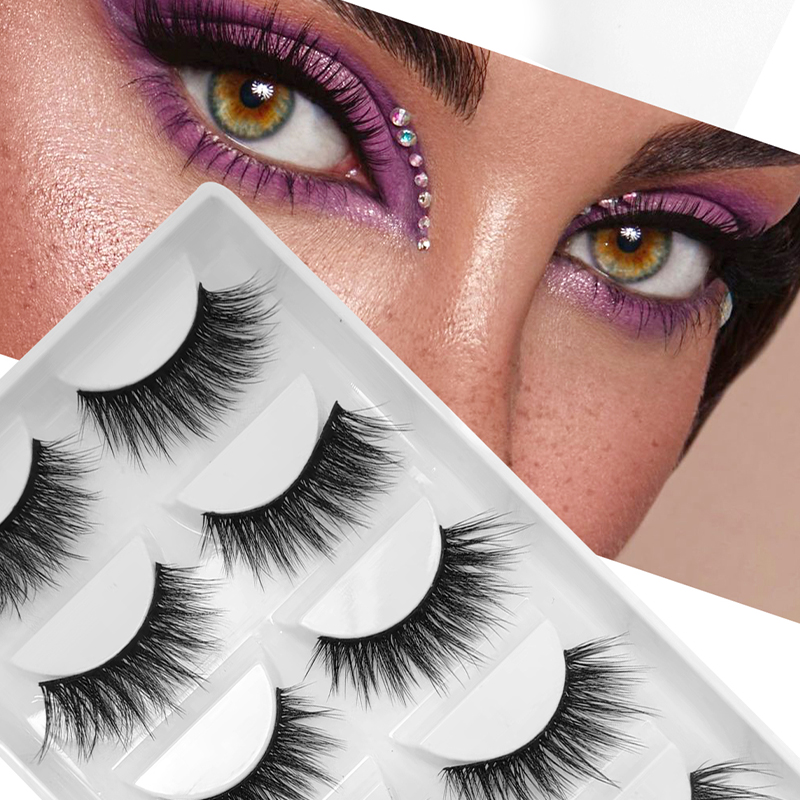 Beauty Cross-Sell
Private Label Strip Lashes
Custom Packaging Tray & Box Options
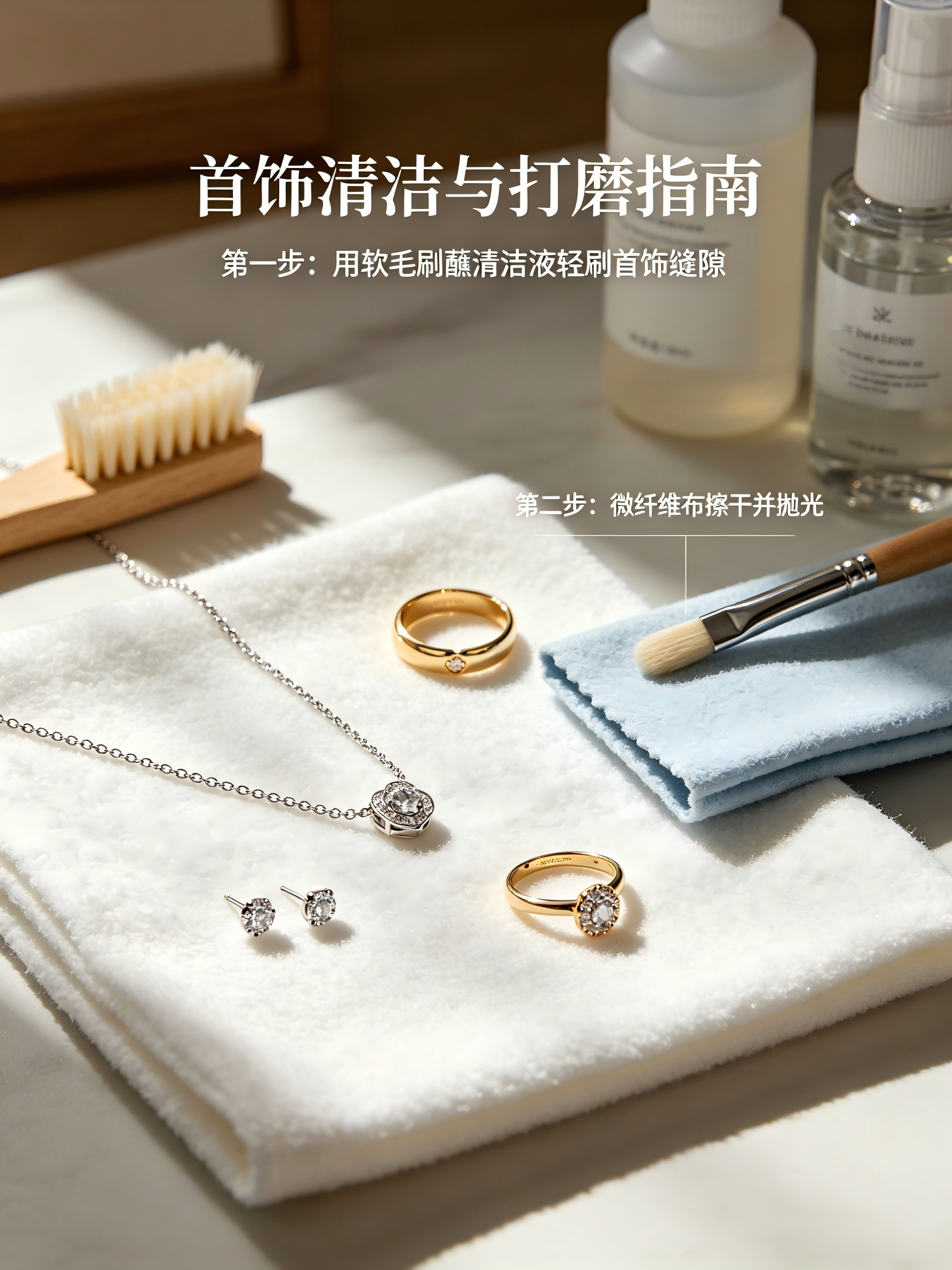 Accessory OEM
Precision Polishing Tools
Precision Applicator Kits
Why Top Global Brands Rely On Our China Manufacturing Base
Shenzhen Mesirulens Technology combines automated high-speed cast molding with clinical-level ophthalmic engineering to mitigate compliance, optical, and lead-time risks.
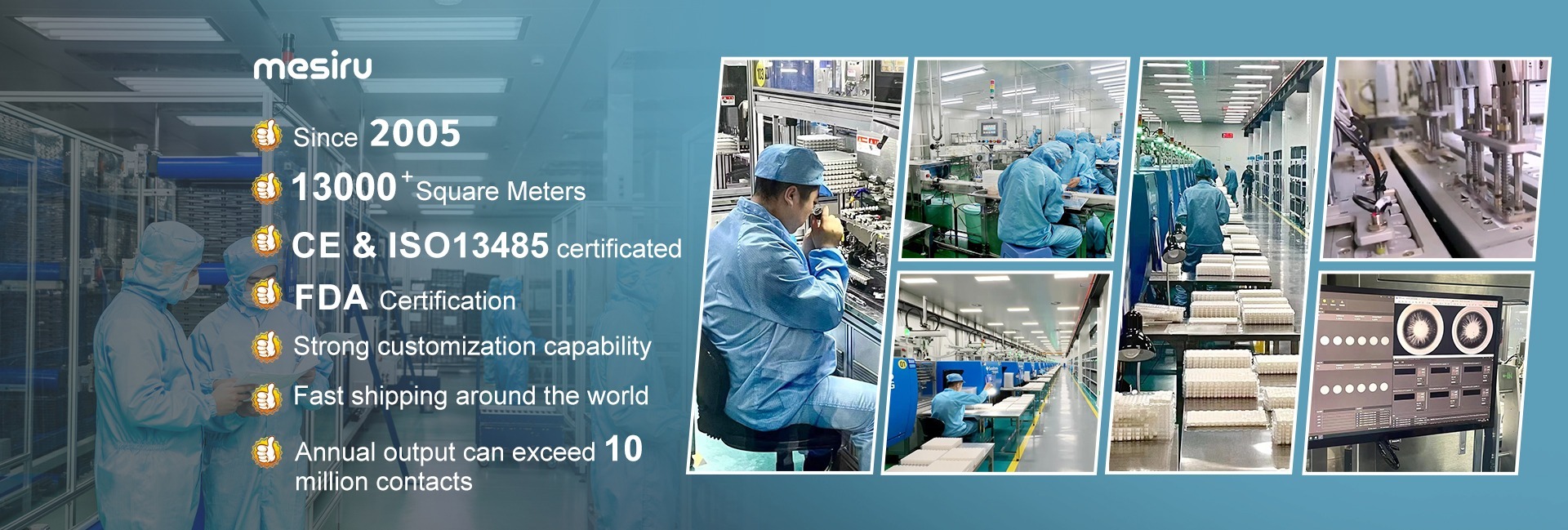
Class 100,000 Cleanroom Automation
Operating strictly within continuous positive-pressure, HEPA-filtered cleanrooms with automated temperature and hygrometric control. Particle density, microbiological contamination, and airborne particulate burdens are tracked in 24/7 continuous SCADA telemetry.
Patented Bio-Encapsulation Sandwich Tech
Every cosmetic pigment dot is molecularly locked between two inert layers of biocompatible poly-HEMA hydrogel. ZERO reactive pigment ever touches corneal epithelial cells or the palpebral conjunctiva, fully complying with ISO 10993 cytotoxicity parameters.
Full CE MDR & FDA Registration
Plano and corrective cosmetic lenses adhere to European Medical Device Regulation (EU) 2017/745 Annex XVI mandates and US FDA medical device master registration files. We provide importers with declarations of conformity, batch sterility test certificates, and IFU dossiers.
Turnkey OEM/ODM Customization Pipeline
From digital iris simulation, pantone shade development, and cylindrical power tooling to localized multilingual blister foil, folding cartons, sterile PP cases, and private-label packaging boxes—our integrated team streamlines product launches within 20 working days.
Engineering Principles of Ophthalmic Cosmetic Contact Lenses: Polymer Science & Optical Metrology
In the contemporary B2B optical sector, cosmetic contact lenses have transcended being merely decorative fashion novelties to become regulated Class IIa / Class IIb ophthalmic medical devices. Navigating this hyper-specialized vertical requires commercial procurement directors and brand founders to comprehend the interrelationship between hydrogel fluid dynamics, polymer crosslinking ratios, and mechanical edge profiles.
1. Biomaterial Evolution: Hydrogel vs. Silicone Hydrogel in Pigmented Optics
The core structural matrix of modern cosmetic lenses relies on hydroxyethyl methacrylate (poly-HEMA) modified with hydrophilic comonomers such as N-vinylpyrrolidone (NVP) and methacrylic acid (MAA). This formulation establishes an equilibrium water content (EWC) calibrated between 38% and 42%.
While clear therapeutic lenses frequently utilize third-generation silicone hydrogels to attain ultra-high oxygen transmissibility (Dk/t exceeding 100 Barrers/cm), tinted and cosmetic applications demand a delicate equilibrium. Pure silicone hydrogels display inherent hydrophobicity, predisposing them to lipid tear-film adsorption and pigment-adhesion delamination. In contrast, our proprietary hydrophilic p-HEMA crosslinked matrix provides an optimal ionic balance, ensuring high tear exchange, non-adherence of muco-proteinaceous deposits, and structural resilience during automated high-temperature steam autoclave sterilization (121°C for 20 minutes).
| Physical Metric | Standard Poly-HEMA (Mesirulens) | Conventional Lathe-Cut Cosmetic | Silicon-Hydrogel Cosmetic Matrix |
|---|---|---|---|
| Equilibrium Water Content | 38% – 42% Optimal | 35% – 38% Dense | 48% – 55% High Hydration |
| Oxygen Transmissibility (Dk/t @ -3.00D) | 20 – 28 x 10⁻⁹ Barrer/cm | 8 – 14 x 10⁻⁹ Barrer/cm | 65 – 110 x 10⁻⁹ Barrer/cm |
| Pigment Enclosure Integrity | 100% Interlamellar Bio-Capped | Surface Printed / Low Barrier | Micro-Coated Polymeric Core |
| Wetting Contact Angle (Captive Bubble) | 28° – 34° (High Lubricity) | 48° – 58° (High Friction) | 38° – 45° (Requires Surfactant) |
| Center Thickness (CT @ Plano) | 0.07mm – 0.08mm Ultra-Thin | 0.12mm – 0.15mm Bulk | 0.085mm – 0.095mm |
2. Triple-Layer Cast Moulding vs. Legacy Spin-Cast & Surface Screen Printing
A primary failure point in non-compliant cosmetic lenses imported from substandard factories is color leach or mechanical surface friction caused by screen printing pigments directly on the convex or concave lens surface. When worn, the eyelid exerts approximately 15 to 25 mm Hg of shear pressure over the cornea with each blink, translating into upwards of 12,000 blinks per day.
To eliminate corneal epithelial micro-abrasion, Shenzhen Mesirulens utilizes Dual-Side Precision Cast Moulding. Micro-droplet nozzles dispense multi-spectral organic and inorganic pigments (titanium dioxide, phthalocyanine blue, chromium oxide greens, iron oxides) directly inside the female mold cavity. A preliminary monomer cross-linking pre-cure immobilizes the pigment granules. The bulk p-HEMA monomer is subsequently injected, hermetically encasing the visual pattern within the central core of the hydrogel disc prior to secondary thermal polymerization. As verified by scanning electron microscopy (SEM) cross-sectional analysis, the outer 0.025mm boundary remains virgin, unpigmented optical hydrogel.
3. Peripheral Geometry: The Role of the Bi-Aspheric Edge in Patient Retention
Beyond color vibrancy, long-term brand equity relies on zero foreign-body sensation. Conventional lenses suffer from blunt cut-off edges that create friction against the bulbar conjunctiva. Our computer-modeled diamond-machined inserts produce a dynamic round-tapered bi-aspherical bevel. This micro-tapered edge facilitates natural tear meniscus exchange under the lens rim with every blink cycle, clearing metabolic debris while maintaining stable lens centration over the pupil zone during rapid eye saccades.
Global Cosmetic Contact Lens Procurement Trends (2025–2030)
Strategic supply chain analysis for institutional buyers, multi-chain optical distributors, and high-growth beauty brands.
Convergence of Myopia Optical Correction & Cosmetic Pigmentation
The market has pivoted permanently away from purely cosmetic plano lenses. Today, over 58% of wholesale volume requested by European and North American distributors demands powers ranging from -0.50D to -8.00D. Procurement strategies must consolidate factory orders with manufacturers capable of maintaining identical dot-matrix iris scaling across varying lens concavity profiles.
Rising Demand for Complex Astigmatic Toric Color Customization
Astigmatic patients represent nearly 30% of vision-corrected consumers who were historically excluded from the cosmetic color category. Cutting-edge OEM facilities now leverage prism ballast and peri-ballast stabilizing geometry to keep toric cosmetic lenses aligned along specified cylindrical axes (from 10° to 180°), creating a massive high-margin blue ocean for private-label brand partners.
Hyper-Natural "Nude Iris" Multi-Tone Biomimicry
The era of opaque, artificial block-color theatrical lenses has been superseded by complex biomimetic micro-dots. Modern consumers demand subtle multi-tone gradients featuring soft limbal rings that blend seamlessly with deep brown, hazel, and olive irises, creating the viral "no-makeup makeup" aesthetic favored across social commerce channels.
EU MDR Annex XVI Regulatory Tightening & Supply-Side Consolidation
With non-corrective cosmetic lenses falling under the exhaustive scrutiny of EU MDR (EU) 2017/745 Annex XVI, downstream importers can no longer clear customs utilizing legacy self-declarations. Retailers are consolidating supplier rosters, routing procurement solely to verified factories with robust Technical Dossiers, UDI serialization, and audited biological safety validations.
Agile Private Labeling & Omnichannel Turnkey Bundling
Brands are minimizing dead-stock exposure by seeking OEM/ODM partners capable of offering unified bundling: customized lenses combined with sterile contact lens solutions, travel-sized applicator tools, portable cases, and luxury wooden gift packaging boxes. Integrated supply chains reduce transit cycles from months to weeks.
The Mesirulens B2B Customization Lifecycle: From Concept to Pallet
A transparent, ISO 13485-monitored OEM/ODM engineering roadmap designed for international optical brands.
Clients submit pantone targets, iris concepts, or reference physical swatches. Our optical team maps 3-tone gradient layers and creates high-precision computer-generated exposure photolithography masks.
Automated CNC diamond lathe machines cut ultra-smooth male and female casting mold cavities. Medical-grade polypropylene resins are injected under cleanroom parameters to ensure identical base curves.
Bio-pigments are enclosed via sandwich technology, followed by UV/thermal polymerization. The dry polymer discs undergo multi-stage hydration baths in physiological buffered saline to achieve ideal equilibrium.
Each lens undergoes 100% optical projector inspection for edge fidelity. Approved units are sealed in pharmaceutical-grade blister packs, steam autoclaved at 121°C, and packed with custom multilingual branding.
Frequently Asked Questions for Wholesale Contact Lens Importers
Direct, technical answers addressing compliance, logistics, minimum quantities, and product customization.
What specific certifications are required to import cosmetic contact lenses into Europe and North America?
What is the difference between Sandwich Technology and traditional color printing?
What are your standard Minimum Order Quantities (MOQ) for in-stock wholesale and custom OEM projects?
Can you manufacture prescription powers and toric (astigmatism) cosmetic lenses under private label?
How do you ensure batch-to-batch color consistency across multi-thousand unit orders?
What are typical production lead times and air-freight transit times to Europe and the Americas?
Can you supply customized auxiliary products such as contact lens solution and cases?
What quality control inspections take place before shipment?
Build Your Private-Label Contact Lens Brand Today
Connect directly with our engineering and regulatory consultants. Receive our comprehensive 3,000+ SKU wholesale catalog, technical whitepaper dossiers, certified material safety data sheets, and physical prototype samples.