Luxury Packaging

Natural Color Plastic Lined Wooden Packaging Gift Box
Size: 15×10 cm
Use: VIP Brand Kits
Curated cosmetic and optical SKUs engineered for European, North American, and Asia-Pacific retail standards. Featuring complete formulation dossiers and private labeling options.
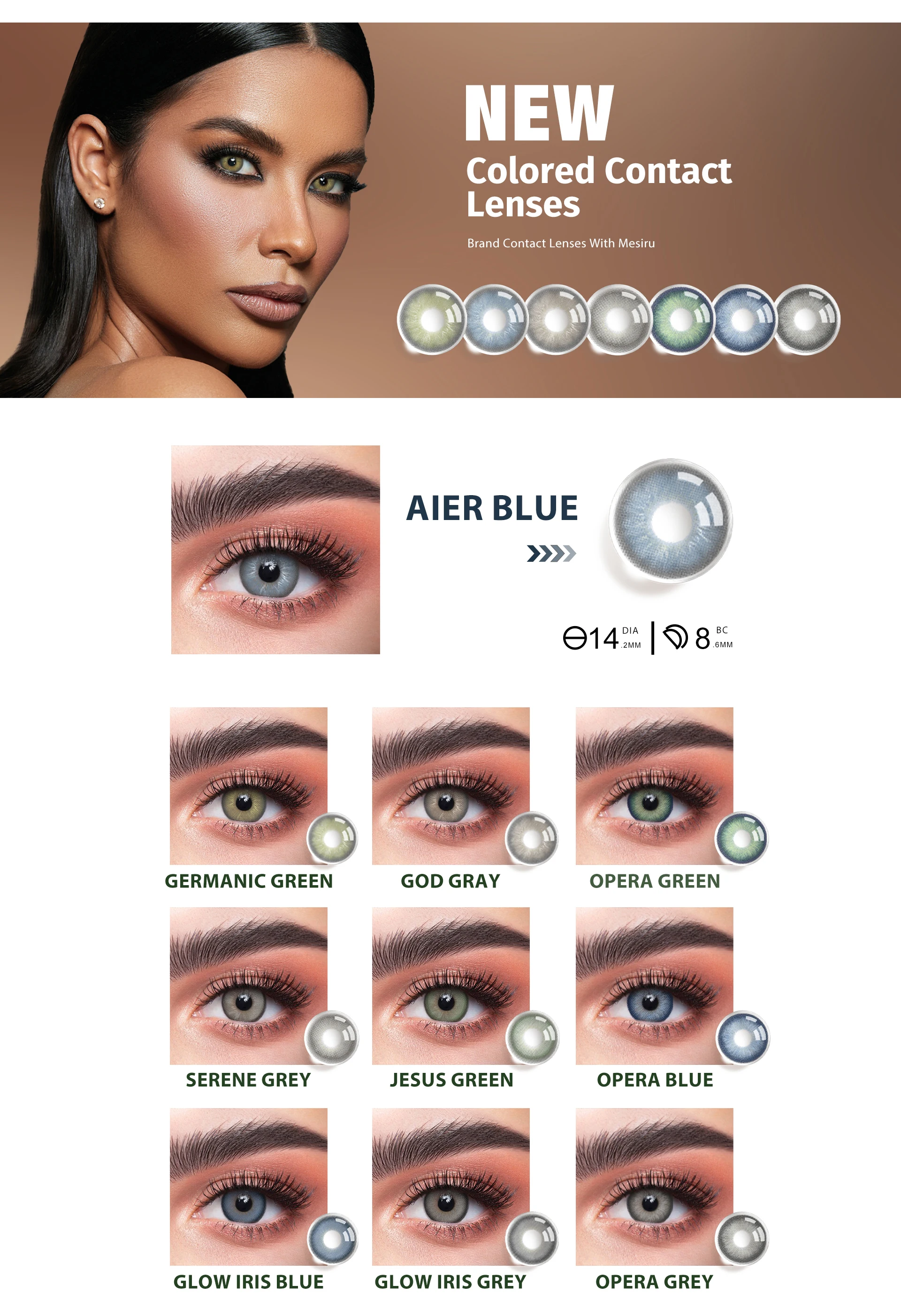
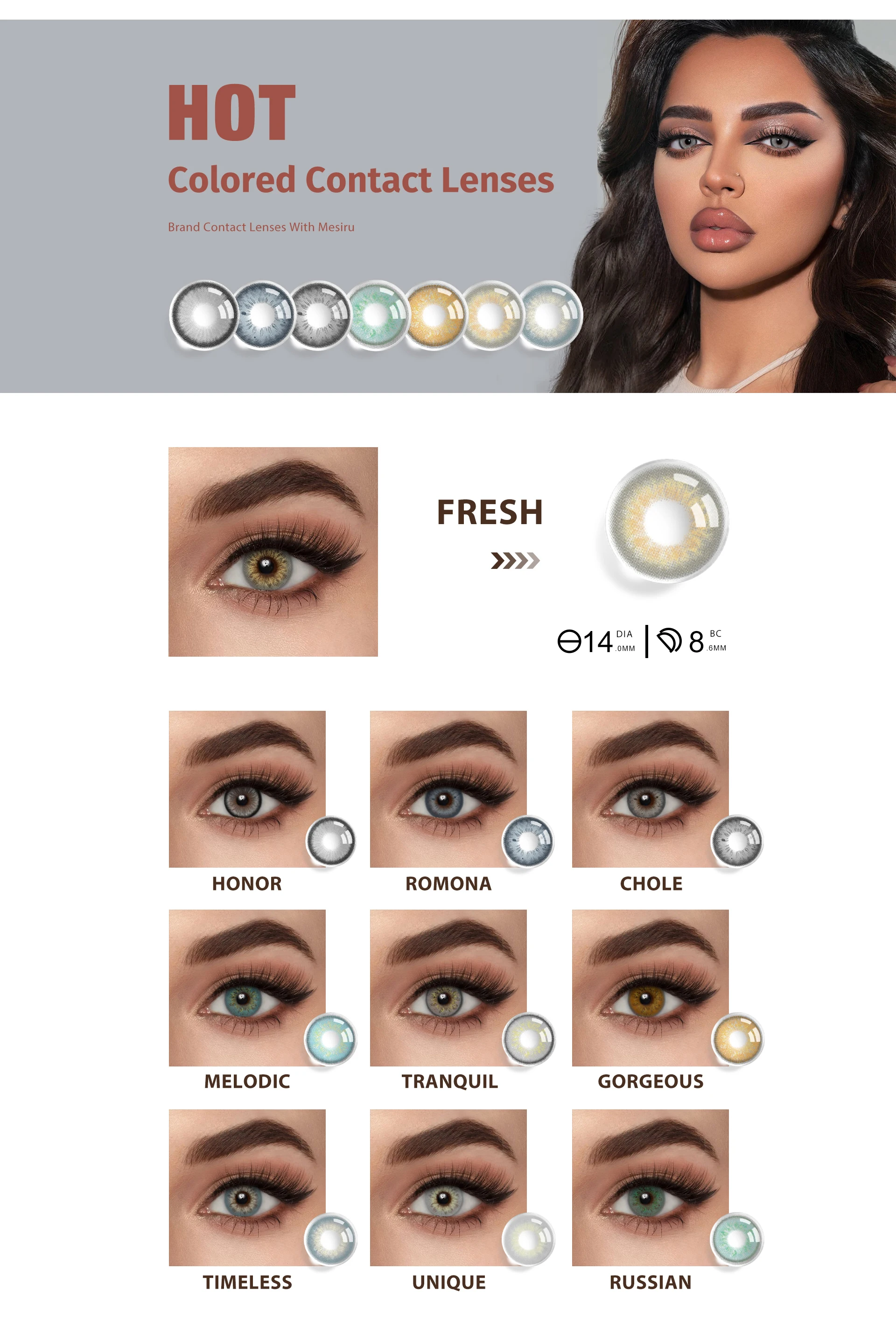
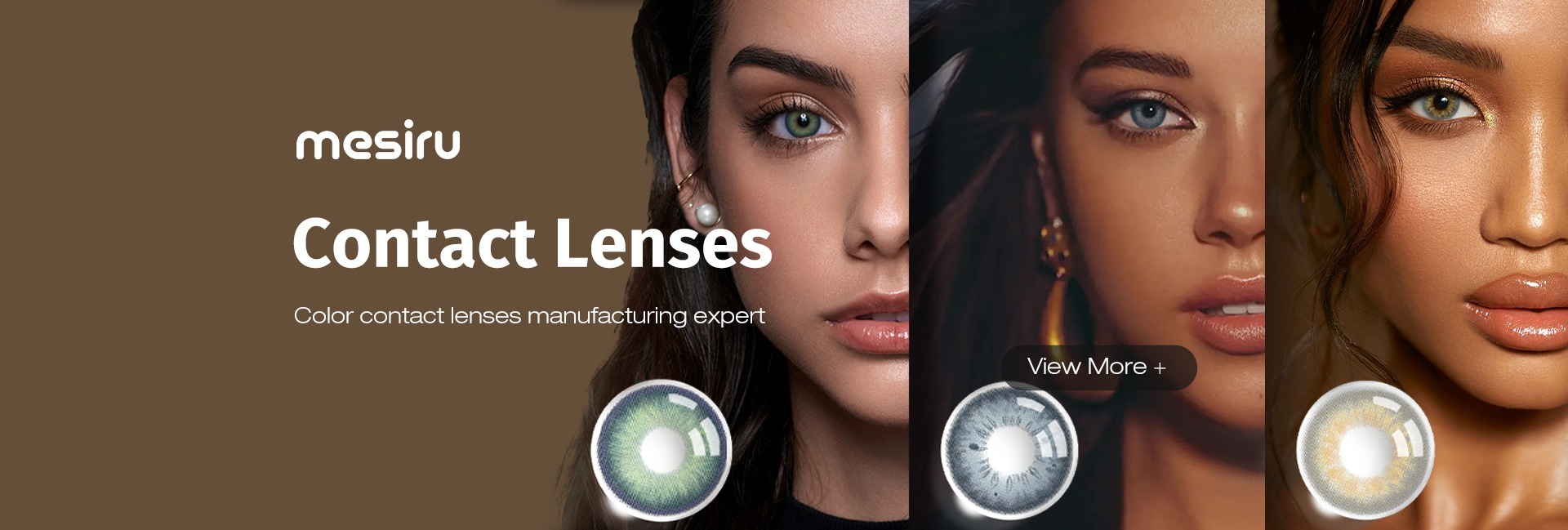
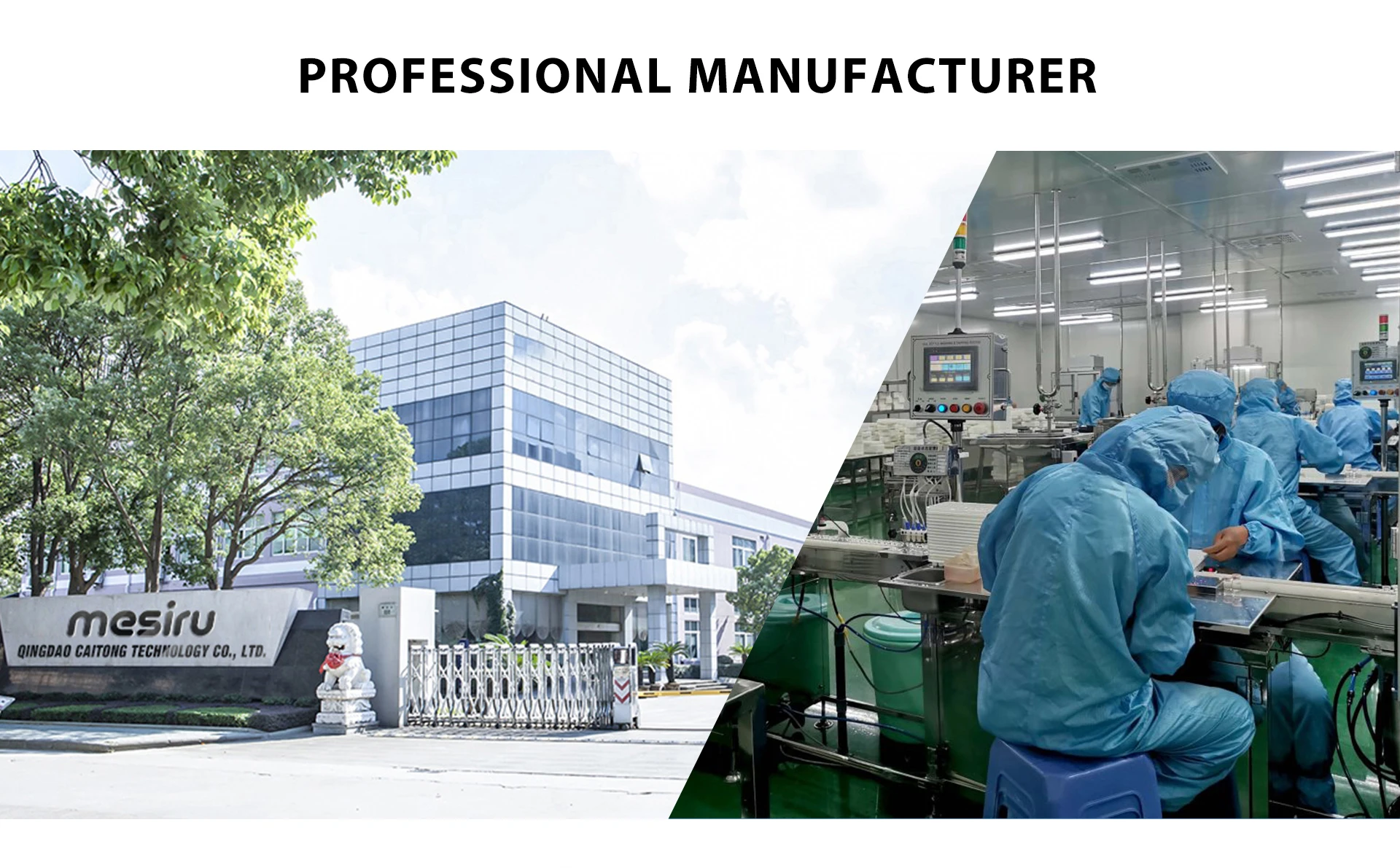
Analyzing precision cast-molding, automated cleanroom scaling, and why global brands are migrating production from legacy European hubs to China's optics corridors.
Traditional silk-screened color lenses carried risks of ocular surface abrasion. Modern Chinese OEM giants utilize double-layer sandwich casting: micro-pigments are enclosed within the core hydrogel polymer matrix, completely preventing direct dye exposure to the cornea or conjunctiva.
By moving from semi-manual spin casting to automated precision injection cast molding, Chinese tier-1 factories have compressed thickness deviation tolerances down to ±0.005mm. This guarantees consistent sagittal depth, optimized oxygen transmissibility (Dk/t), and eliminated lens aberration.
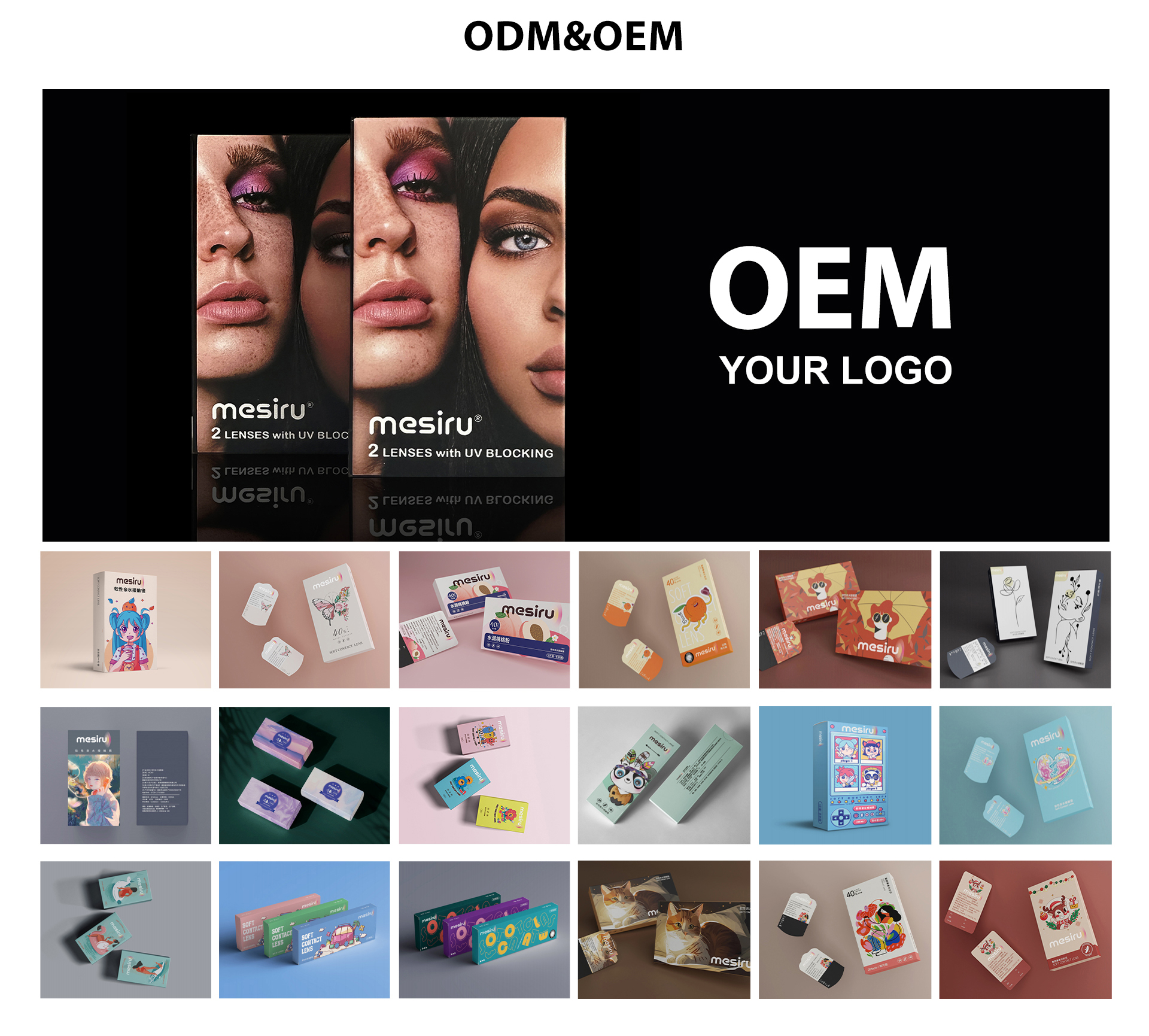
Leading exporters integrate blister thermoforming, multi-purpose disinfecting solutions formulating, and customized luxury outer packing in-house. This centralized ecosystem shortens project turnarounds from 90 days down to 21 working days for repeat batch runs.
| Evaluation Parameter | Legacy Sourcing (EU / US) | South Korea Tier-2 Hubs | Shenzhen / China Tier-1 OEM |
|---|---|---|---|
| Tooling & Mold Sampling Lead Time | 12–16 Weeks | 6–8 Weeks | 2–3 Weeks (High-Speed CNC) |
| Base Material Flexibility | Rigid Formulations | High Water HEMA Focus | HEMA, Polymacon & Silicone Hydrogel |
| Regulatory Dossier Support | Premium Added Surcharge | Inconsistent English Docs | Full CE MDR, Declaration of Conformity Included |
| Unit Production Cost Efficiency | High Overhead Baseline | Moderate / High Logistics | Scalable Bulk Economies with 100% Quality Pass |
Where the global market is steering over the next 5 years: from hybrid materials to regulatory harmonization and digital supply chains.
While traditional cosmetic lenses predominantly deploy 2-HEMA polymers with modest Dk values (8–10 Dk), buyers are rapidly shifting toward third-generation silicone hydrogel formulas. Delivering Dk levels exceeding 65, these allow prolonged wear cycles without corneal hypoxia, commanding 35% higher margins at retail.
Cosmetic lenses without corrective power are explicitly categorized under Class IIa medical devices within the EU. Importers must only source from OEM factories whose technical files include verified biocompatibility testing (ISO 10993 cytotoxicity, ocular irritation) and direct UDI laser-coding integration.
With TikTok Shop and social-first beauty commerce driving hyper-segmented shade trends (such as 'cold hazel' or 'glow iris ring' lenses), brands can no longer endure 50,000-unit minimum MOQs per SKU. China's top tier plants now enable agile multi-shade pooling with custom bilingual packaging from 500 units.
Combining cleanroom manufacturing precision, an expansive stock portfolio, and certified European regulatory clearance.
Immediate access to tested optical patterns across 14.0mm to 14.5mm diameters and 8.5–8.7mm base curves, ready for fast trial dropship.
Full CE documentation, ISO 13485 medical device quality control, FDA export registration, and ready-to-print bilingual French/English leaflets.
Precision correction range from 0.00 to -8.00D, custom astigmatism (toric) stabilization geometry, and tailor-made iris tone gradients.
Dispatched in 3–7 business days for in-stock orders, with direct DAP/DDP air freight lines reaching Paris, Frankfurt, London, and New York customs effortlessly.
Addressing compliance standards, custom branding processes, shipping times, and toric lens capabilities.
Connect directly with our regulatory specialists and optical product managers. Request comprehensive sample kits, testing dossiers, and tailored private label pricing tailored for your market.