Curated Medical-Grade Contact Lenses & OEM Lines
Scalable, CE-compliant, and biocompatible optical inventory manufactured via cast-moulding technology with zero-compromise sandwich pigment isolation.
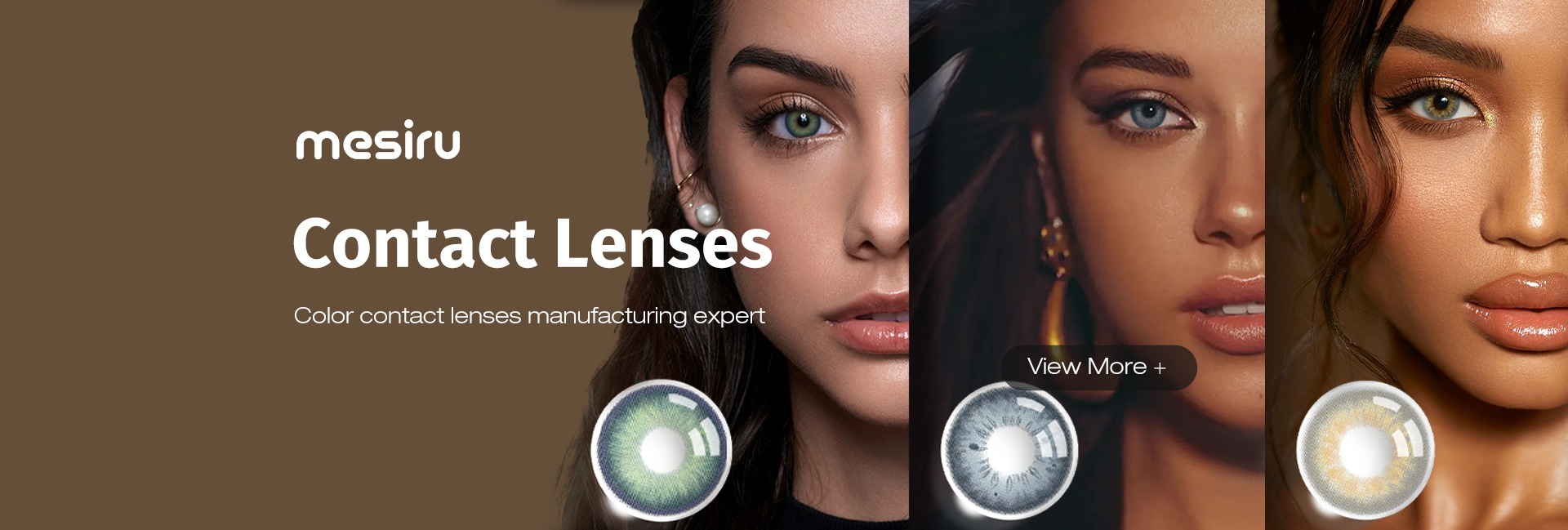
R2 Aier Blue Precision Color Contact Lens
View Specifications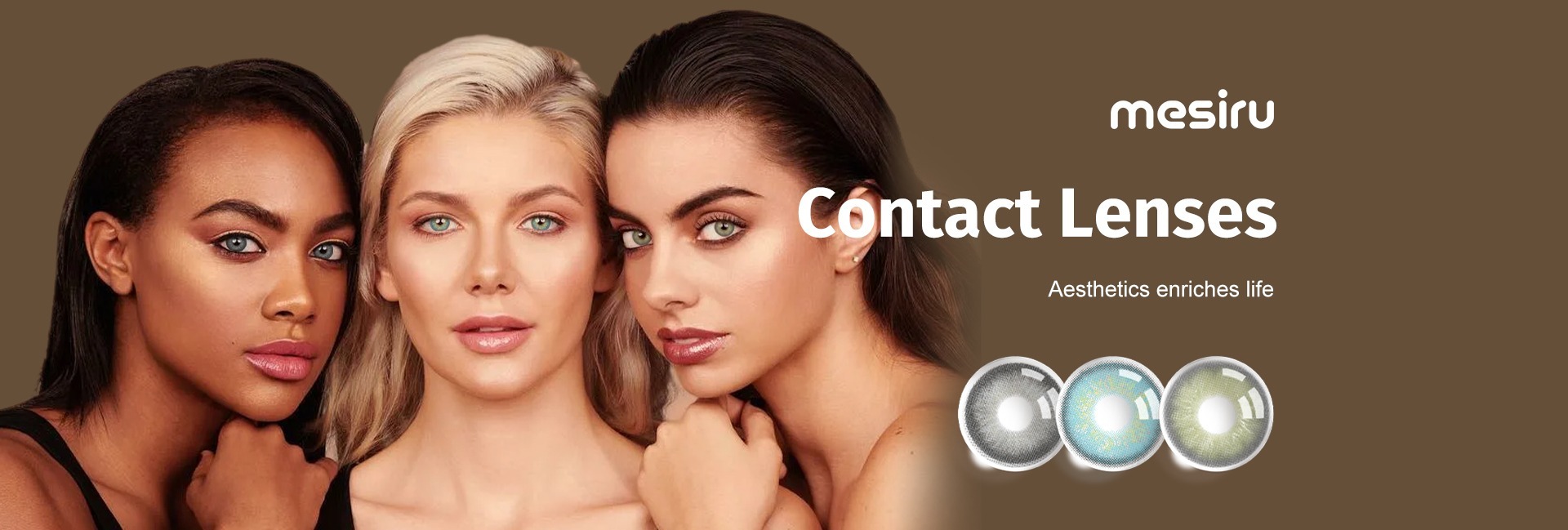
R1 Germanic Green Natural Iris Lens
View Specifications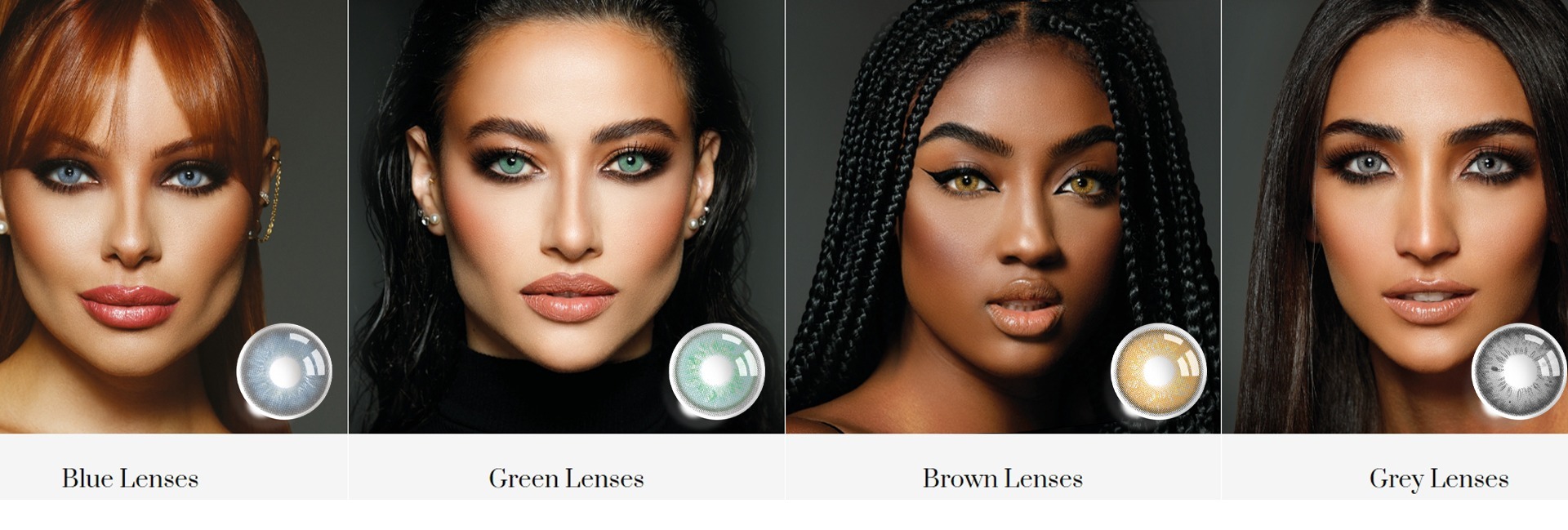
R3 God Gray Advanced Multi-Tone Lens
View Specifications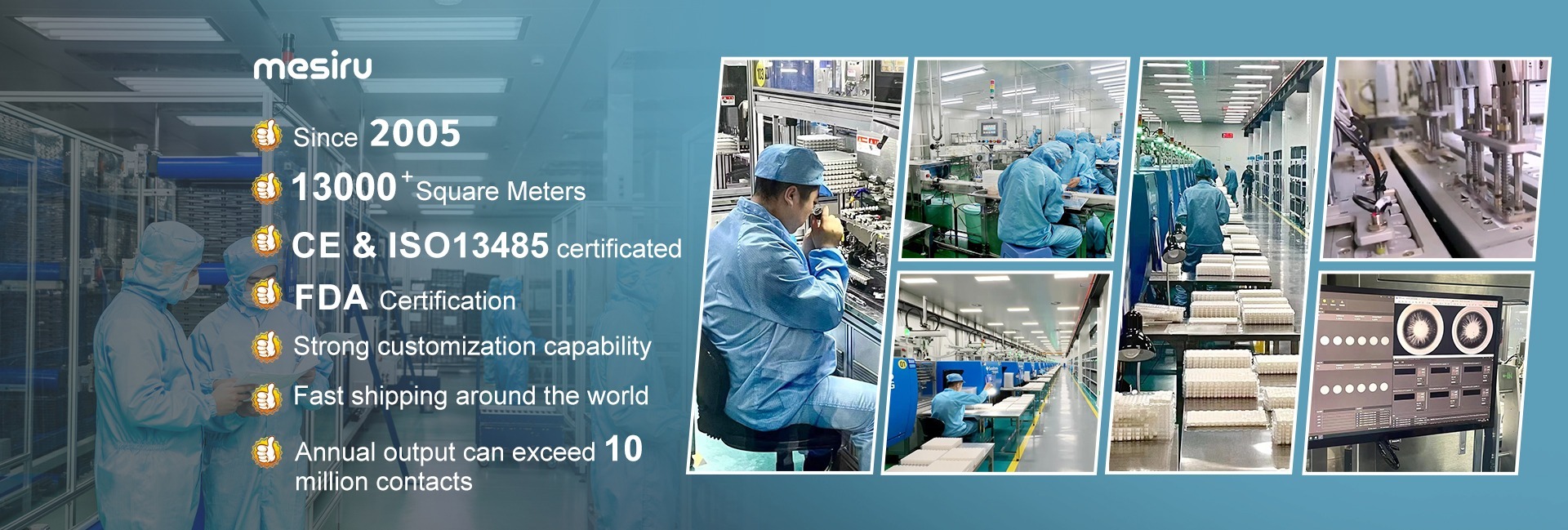
R8 Opera Green Pigment-Isolated Lens
View Specifications
R4 Serene Grey Limbal Defined Lens
View Specifications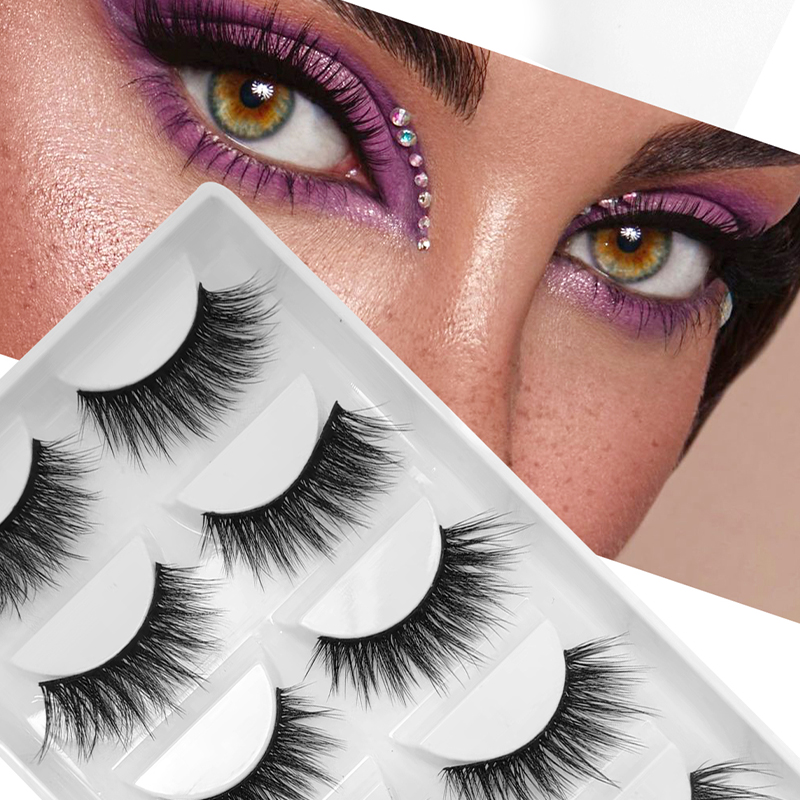
Wholesale Private Label Full Strip Lashes
Product Details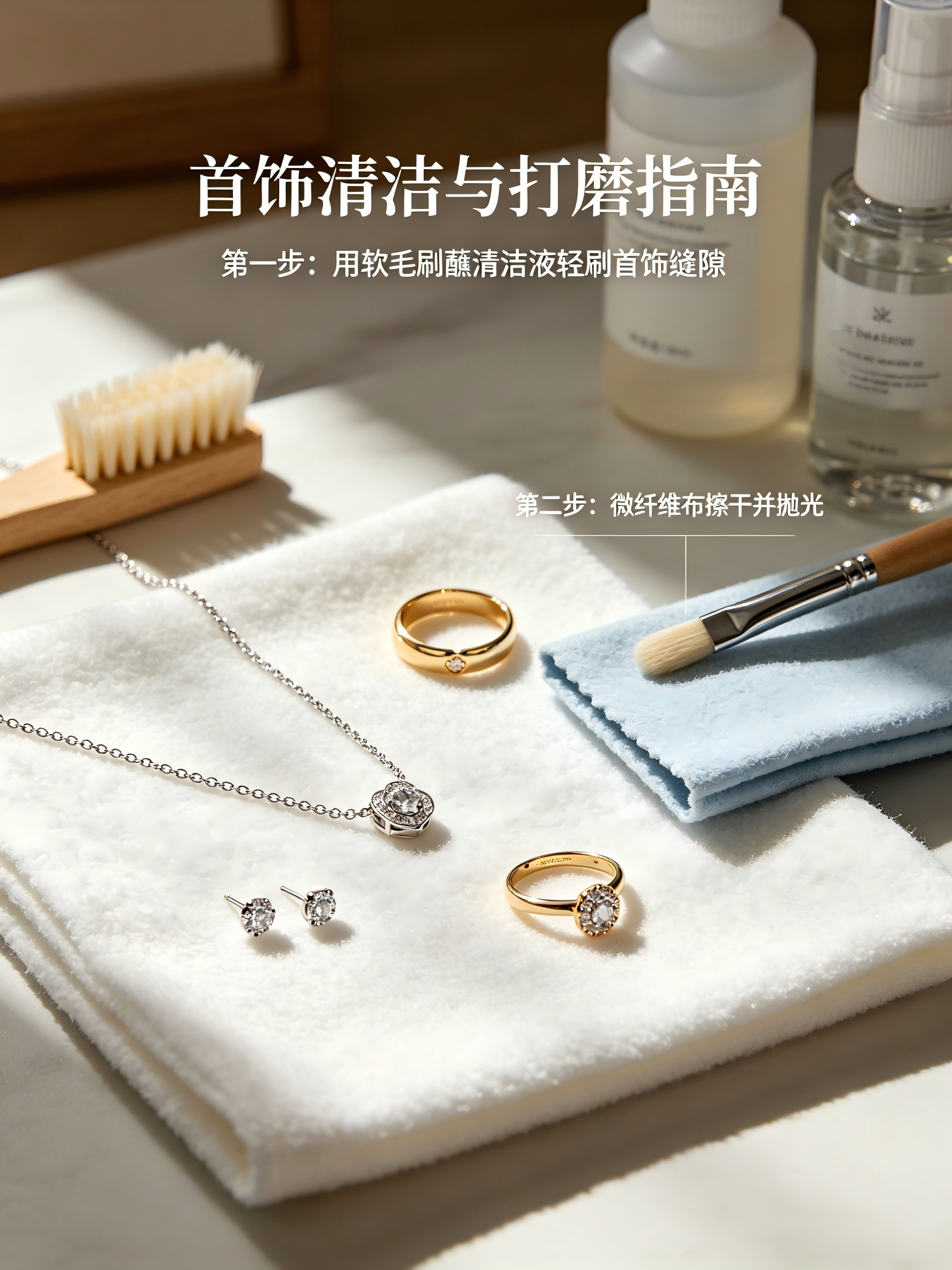
Precision Optical & Jewelry Cleaning System
Product Details
Custom Lined Presentation Packaging Boxes
Product DetailsComprehensive Strategic Whitepaper: Navigating Contact Lens Manufacturing in China
The global contact lens landscape has shifted from basic commodity import to highly regulated, technologically intricate biomedical delivery. As procurement managers, ophthalmological chains, and private-label e-commerce brands audit factories across China, technical compliance and biological safety are paramount. Under European Medical Device Regulation (EU MDR 2017/745 Annex XVI) and United States FDA 510(k) standards, cosmetic and colored contact lenses are universally classified as regulated medical devices requiring complete batch-level traceability, verified bio-compatibility, and stringent quality control protocols.
1. Advanced Cast Moulding vs. Legacy Lathe-Cutting Methodologies
Modern Chinese contact lens factories employ automated cast moulding over older spin-casting or lathe-cutting technologies. Cast moulding involves injecting high-grade hydrogel or silicone hydrogel monomers into high-precision micro-cavity moulds, followed by thermal or photochemical polymerisation. This process achieves micrometer-level uniformity across the optic zone, consistent base curve geometry (standardized at 8.6mm), and smooth comfort-edge profiling, significantly reducing mechanical friction against corneal epithelium cells.
Technical Validation Note: Microscopic edge testing confirms that cast-moulded hydrogel polymers demonstrate lower friction coefficients and zero edge-burr formation compared to traditional mechanical turning methods, directly decreasing corneal irritation incidents across prolonged 8-to-12 hour wearing cycles.
2. Three-Layer "Sandwich" Pigment Isolation Chemistry
Biomedical safety in cosmetic contact lenses depends on pigment encapsulation. Unregulated cosmetic lenses with surface-printed dyes risk pigment detachment, causing chemical abrasions or toxic reactions. Tier-1 Chinese manufacturers utilize three-tier encapsulation technology: bio-inert pigments are set into a central matrix sealed entirely within front and back layers of biocompatible poly-HEMA hydrogel, ensuring pigments remain isolated from the cornea and inner tarsal conjunctiva.

| Standard Medical Device Specifications | |
|---|---|
| Base Curve (BC) | 8.5mm – 8.7mm (±0.05mm precision) |
| Overall Diameter (DIA) | 14.0mm – 14.5mm |
| Material Hydration | 38% – 42% Water Content Balance |
| Polymer Formulation | Poly-2-hydroxyethyl methacrylate (Poly-HEMA) |
| Center Thickness (tc) | 0.06mm – 0.08mm (@ -3.00D standard) |
| Sterilization Method | Automated Wet Steam Autoclaving at 121°C |
| Regulatory Marks | CE MDR Class IIa / FDA Records / ISO 13485 |
3. Global Supply Chain Trajectory & Strategic Sourcing
Procurement teams must audit total quality infrastructure rather than unit FOB prices alone. A low factory-gate quote without comprehensive Class 100,000 cleanroom controls, automated saline blister-pack sealing, and documented stability testing leads to border confiscations and product recalls. Mesirulens provides traceable manufacturing logs, verified bioburden assays, and multi-lingual documentation packages for straightforward international market entry.
Future Sourcing & Technology Trends (2025–2030)
Where high-performance ophthalmic manufacturing and smart distribution intersect over the next business cycle.
High-Dk Silicone Hydrogel Transition
Global buyer demand is rapidly shifting from legacy HEMA monomers to fluorosilicone-hydrogel composites. Silicone matrices achieve oxygen transmissibility (Dk/t) exceeding 80–120 units, keeping corneas well-oxygenated for extended wear.
Daily Disposable (1-Day) Dominance
Annual-wear lenses are shifting toward daily disposable blisters across Western and Asian retail channels. This structural shift eliminates maintenance cases, reducing bacterial keratitis risks and providing higher customer repurchase velocity.
Digital EUDAMED & UDI Integration
Global regulatory enforcement mandates individual Unique Device Identification (UDI) barcoding on secondary cartons and primary blister foils, enabling real-time batch genealogy verification from factory autoclave to end consumer.
Custom Toric & Astigmatism Expanding
Historically limited to clear corrective lines, prismatic ballast design is making its way into colored lenses. Toric cosmetic manufacturing offers differentiated, high-margin opportunities for prescription optical retailers.
Sustainable Packaging Solutions
Modern procurement contracts favor manufacturers replacing traditional PVC blister-packs with recyclable polypropylene trays and biodegradable carton materials, lowering tariffs and carbon taxes across European and North American markets.
AI Visual Defect Inspection
Replacing manual sample inspections with high-speed AOI (Automated Optical Inspection) systems using multi-spectral cameras ensures sub-micron detection of edge notches, bubble cavities, and pigment offsets across 100% of manufactured batches.
Why Tier-1 Buyers Source From Mesirulens
Vertical manufacturing, international regulatory clearance, and scalable supply chain services for global distributors.
Turnkey OEM / ODM
End-to-end design, custom iris artwork, bilingual IFU translation, barcode creation, and branded packaging production without intermediary markups.
Strict Regulatory Compliance
Cleanroom-certified facilities meeting ISO 13485 standards, complete with Declarations of Conformity, CE files, and technical dossiers ready for market access.
3,000+ Ready Stock SKUs
Large inventory reserves of natural, vivid, and multi-tone cosmetic shades, ready for mixed-batch trial orders with immediate warehouse release.
Traceable Batch Logistics
Global export management via express, air freight, or multimodal networks with full DAP/DDP support for predictable customs clearance.

Frequently Asked Questions by Importers & Wholesalers
Direct technical and operational answers to support your due diligence and procurement planning.
What minimum order quantities (MOQ) apply to OEM customized packaging vs. stock lenses? +
How does the factory manage EU MDR 2017/745 Annex XVI compliance for non-corrective lenses? +
What is the standard production cycle and lead time for mass wholesale orders? +
Are prescription myopia degrees and astigmatic toric configurations available? +
How is pigment biocompatibility and eye safety guaranteed during manufacturing? +
Connect Directly With Our Engineering & Procurement Team
Request customized product catalogs, private-label packaging mockups, and bulk factory pricing tailored to your regional market. Our engineering and compliance specialists respond within 24 hours.