High-Velocity Private Label Color Contact Lenses & Packaging
Explore our most requested OEM/ODM formulations, flagship iris designs, and bespoke private label packaging systems. Complete batch documentation, test certifications, and custom branding available.
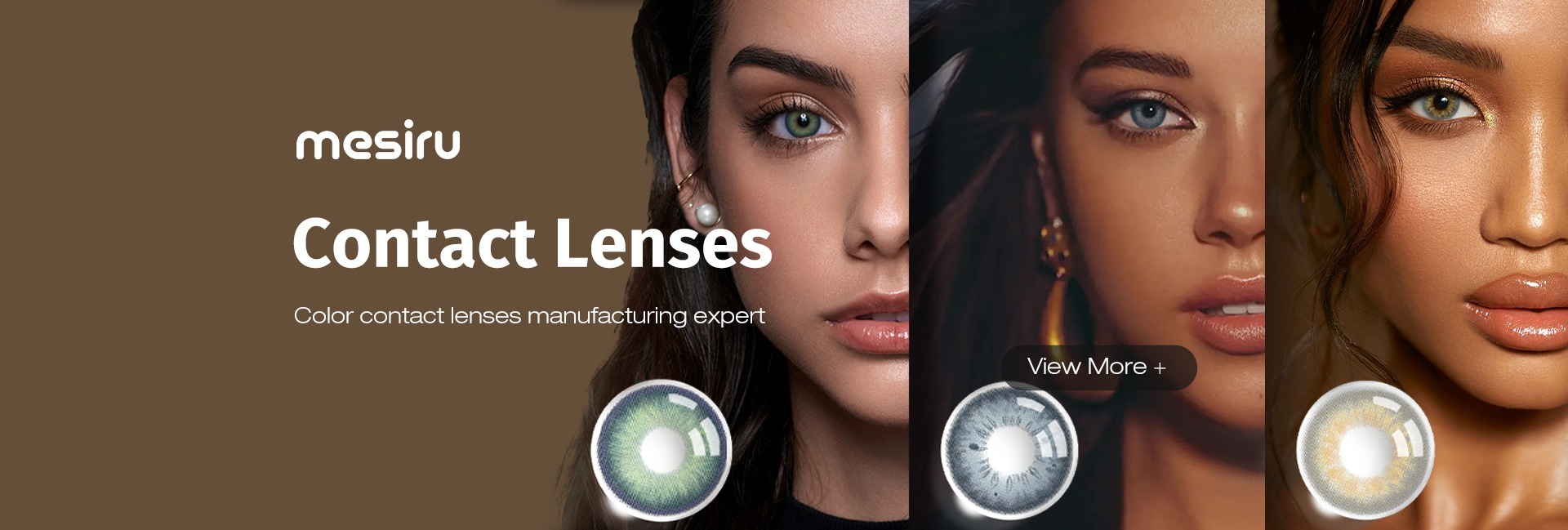
R2 Aier Blue Natural Multi-Tone Cosmetic Contact Lenses
- Base Curve: 8.60 mm
- Diameter: 14.20 mm
- Water Content: 38%–42% HEMA
- Power Range: 0.00 to -8.00D
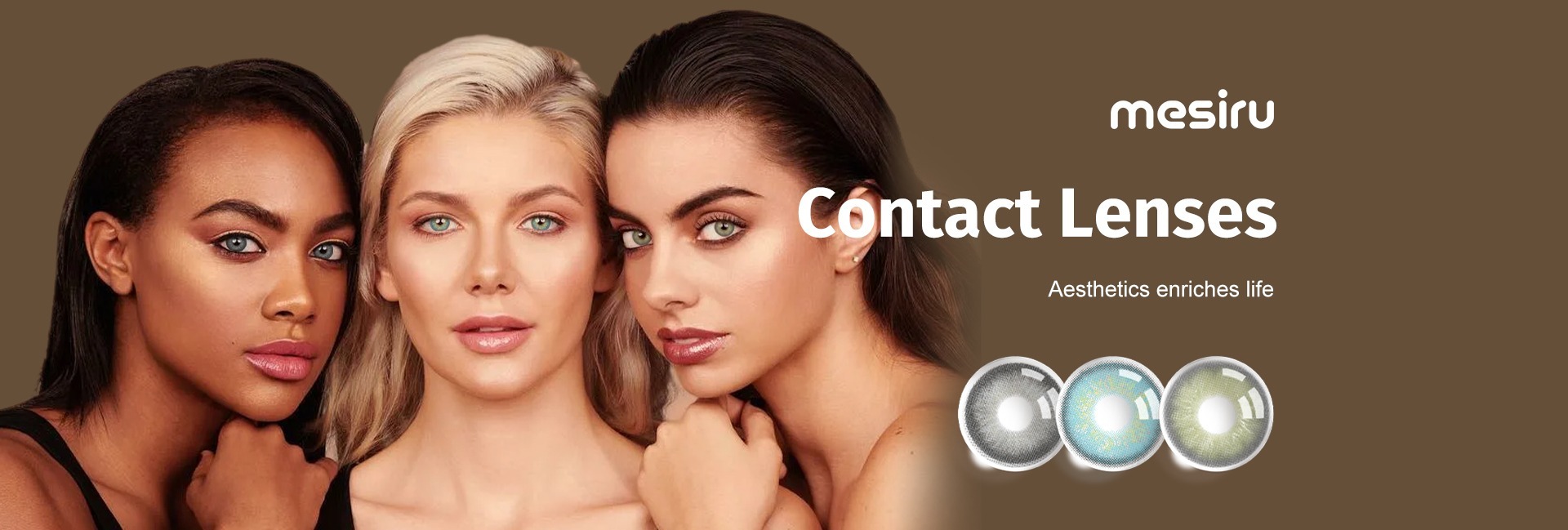
R1 Germanic Green Soft Hydrogel High-Comfort Lens
- Base Curve: 8.60 mm
- Diameter: 14.20 mm
- Technology: Sandwich Print
- Replacement: Monthly / Yearly
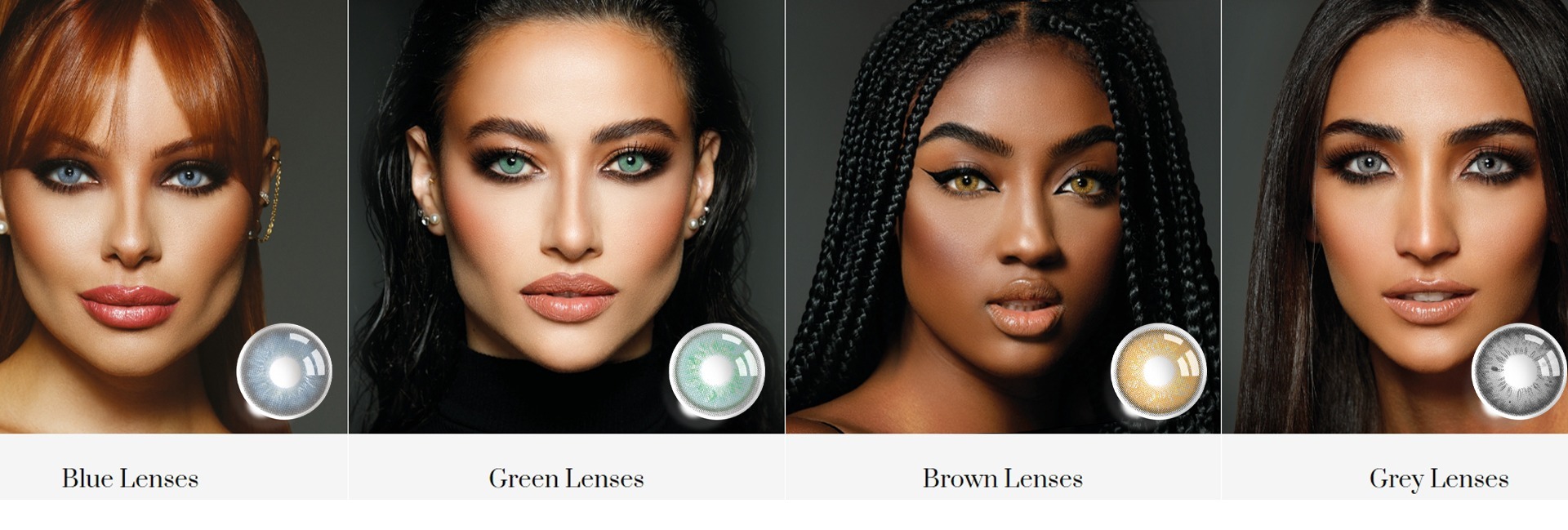
R3 God Gray Vivid Realistic Iris Transformation Lenses
- Base Curve: 8.60 mm
- Diameter: 14.20 mm
- Target: Dark Eye Coverage
- Sterilization: Autoclave 121°C
R8 Opera Green Dimension-Enhancing Cosmetic Contact Lens
- Base Curve: 8.60 mm
- Diameter: 14.50 mm
- Modality: Yearly / Daily Disposable
- Certification: CE / ISO 13485
R4 Serene Grey Subdued Gradient Daily Aesthetic Lenses
- Base Curve: 8.60 mm
- Diameter: 14.20 mm
- Dk/t: High Transmissibility
- Packaging: Blister Pack / Vial

Customized Logo Plastic Lined Luxury Packing Gift Boxes
- Dimensions: 15 x 10 cm Customizable
- Lining: Medical Grade Insert
- Application: Premium Lens Kits
- Custom Logo: Hot Foil / Emboss
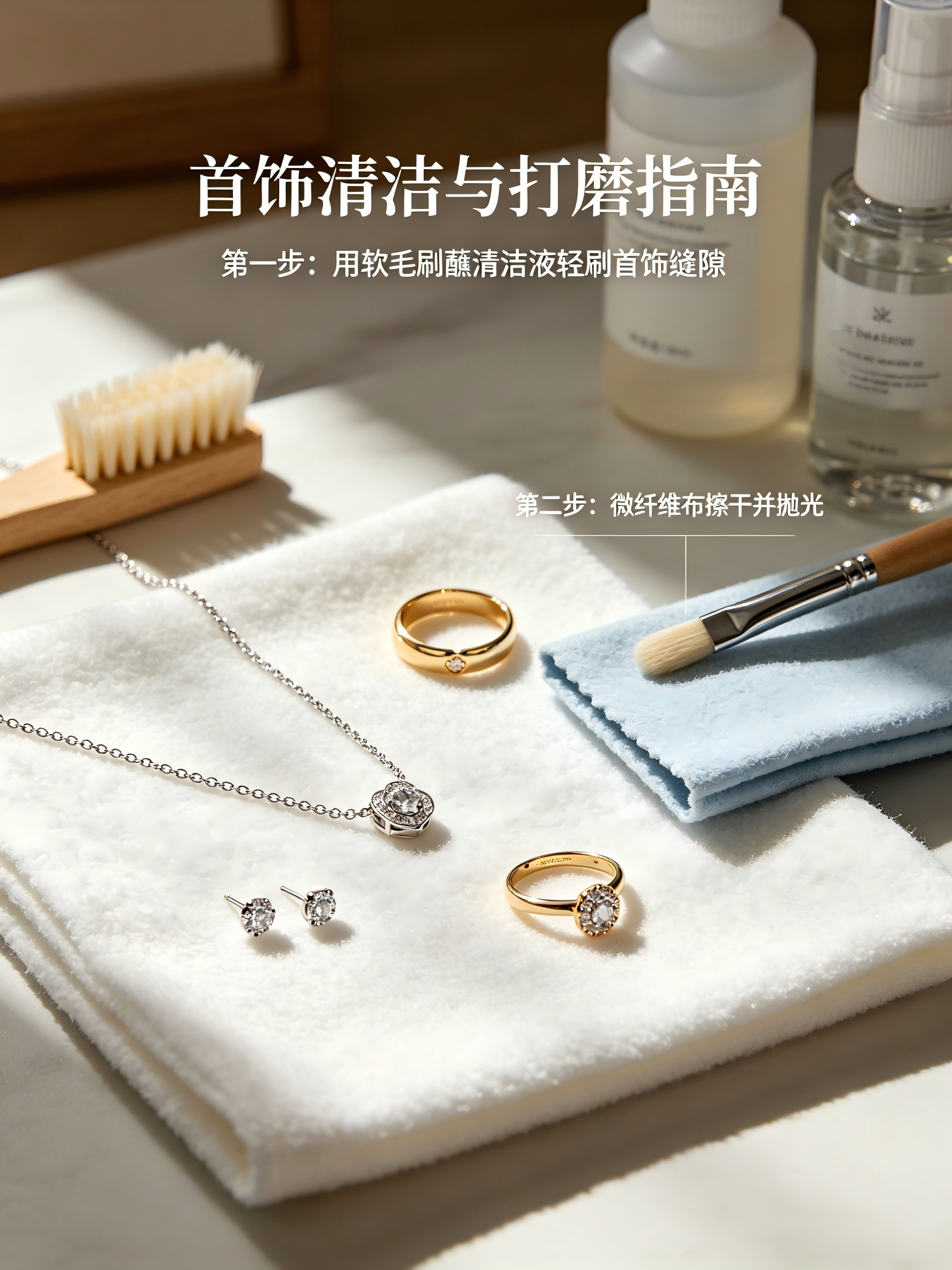
Special Polishing and Ultrasonic Contact Lens Care Kits
- Function: De-oxidation & Cleansing
- Standard: CE Compliant
- Portability: Compact Pocket Unit
- OEM Branding: Silk-screen Available
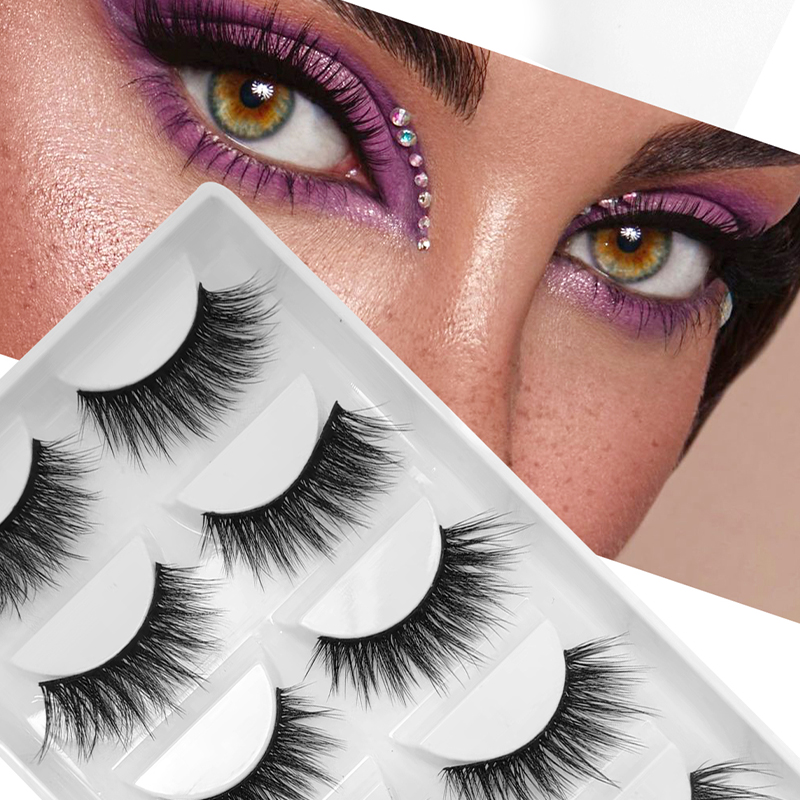
Factory Wholesale Private Label Strip Lashes for Bundles
- Material: Sterilized Synthetic Silk
- Application: Beauty Retail Pairing
- Custom Pack: Matching Lens Colorways
- Lead Time: 7-10 Days Fast Dispatch
Engineering Excellence in Chinese Contact Lens Manufacturing
The global contact lens landscape has shifted decisively. What once was an industry dominated by capital-intensive Western conglomerates is now driven by agile, technologically sophisticated Chinese manufacturing facilities operating under strict Class III medical device protocols. Shenzhen Mesirulens Technology Co., Ltd. stands at the forefront of this industrial transformation, combining medical-grade polymer synthesis with automated optical fabrication.
For international opticians, e-commerce distributors, and global beauty brands, sourcing directly from a qualified Chinese primary manufacturer offers unmatched competitive advantages: compressed R&D cycles, customized pigment micro-encapsulation, and compliant international regulatory documentation.
Modern private label procurement demands partners who can provide complete technical dossiers—including cytotoxicity reports, extractable analysis, microbial challenge data, and steam autoclave validation curves—directly matching the importer's national compliance criteria.

Why Tier-1 Brands Select Mesirulens as Their Primary Supplier
Our infrastructure is engineered specifically to eliminate cross-border sourcing risks: biological safety hazards, inconsistent optical powers, delayed production runs, and non-compliant labeling.
Patented Sandwich Pigment Lock
Color pigments are completely sealed between two layers of optical hydrogel (HEMA/NVP). The pigment never directly touches corneal or conjunctival tissue, preventing ocular staining and irritation.
- Zero direct ocular contact
- ISO 10993 cytotoxicity passed
- High color fastness under light
Fully Automated Cast Molding
Unlike outdated lathe cutting, our precision double-sided cast molding injects polymer into micron-engineered optical molds, ensuring exact dimensional repeat accuracy across high-volume production.
- Constant 8.60 mm base curve
- Smooth, rounded edge design
- Minimal optical aberration
Class 100k Sterile Cleanroom
Production, hydration, inspection, and primary blister packaging take place inside certified Class 100,000 cleanrooms under automated laminar airflow with continuous particulate and microbiological monitoring.
- Microbial air bio-burden checks
- Terminal steam sterilization
- SAL 10⁻⁶ sterility level
Agile Private Label Customization
Turnkey brand incubation for retail distributors and digital-native DTC brands. We deliver localized packaging, multilingual IFU leaflets, unique barcode labeling, and rapid low-MOQ test orders.
- Custom blister foil printing
- Complete dieline engineering
- 3 to 7-day fast dispatch
End-to-End Contact Lens Fabrication Process
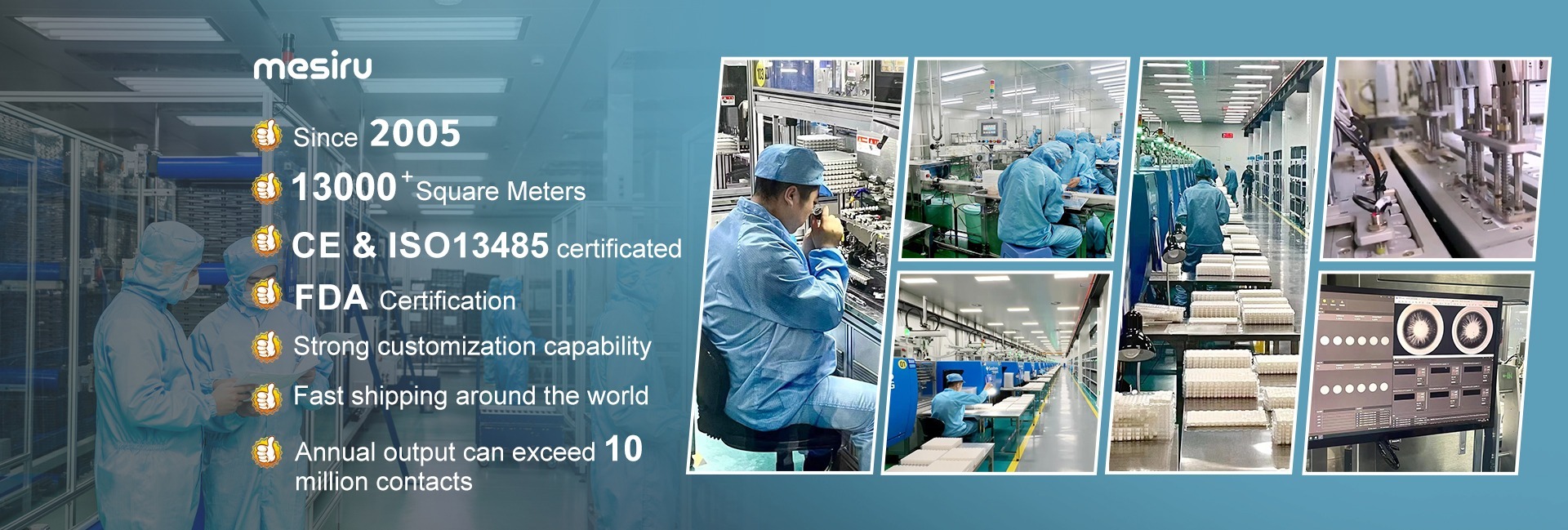
A transparent look inside our Shenzhen manufacturing lines. Every individual lens is tracked via an ERP lot number from monomer mixing through terminal autoclave validation.
Monomer Synthesis & Blending
Medical-grade 2-Hydroxyethyl Methacrylate (HEMA) and stabilizing co-polymers are mixed in controlled ratios with UV-blocking agents to achieve target hydration and high tensile durability.
Rotary Pad Micro-Printing
Pattern plates etch iris pigment matrices with micron precision. High-viscosity medical pigments are applied layer by layer inside the optical mold before the polymer matrix is sealed.
Photopolymerization
Computer-monitored UV curing tunnels solidify liquid monomer mixtures into solid, dimensionally exact polymer matrices without thermal stress or surface micro-fractures.
Hydration & Extraction
De-molded lenses are submerged in purified saline wash cycles to extract unreacted monomers and allow the hydrogel to expand naturally to its designated water content and equilibrium base curve.
100% Optical Inspection
Every single contact lens is subjected to projected optical magnification. Automated computer vision and trained technicians inspect for rim burrs, edge chips, decentration, and focal power deviation.
Hermetic Sealing & Autoclaving
Lenses are encapsulated in medical-grade foil blisters filled with buffered isotonic saline solution and subjected to 121°C terminal steam sterilization for a validated 5-year sterile shelf life.
Key Market Drivers Shaping Contact Lens Sourcing (2025–2030)
B2B optical buyers must anticipate shifting consumer preferences and tightening regulatory barriers to maintain profitable supply chains.
Silicone Hydrogel Cosmetic Integration
While hydrogel (HEMA) remains the standard for cosmetic opacity and affordability, the market is aggressively pivoting toward Silicone Hydrogel (SiHy). Buyers should prepare for third-generation SiHy formulations offering Dk/t values over 80, allowing prolonged wear without corneal hypoxia.
Strict Regulatory Harmonization
Global regulatory bodies are closing the gap between aesthetic lenses and corrective devices. EU MDR Annex XVI enforcement, US FDA 510(k) cosmetic scrutiny, and ASEAN Medical Device Directive mandates require factories to provide comprehensive biocompatibility dossiers.
Rise of Daily Disposables
Consumer hygiene awareness is accelerating the migration from yearly lenses to daily disposable (1-Day) modalities. Sourcing partners must offer automated high-capacity blister packaging lines capable of keeping single-use unit economics highly competitive.
Functional Aesthetic Hybrids
The boundary between cosmetic enhancement and optical protection is disappearing. Next-generation private label lenses integrate Class II UV blocking (95% UVB / 70% UVA) and high-energy visible (HEV) blue-light filtering monomers directly into the transparent optical zone.
Expanded Astigmatic (Toric) Customization
Over 32% of vision-corrected consumers have clinically significant astigmatism, yet cosmetic toric lenses have historically suffered from high MOQs and slow turnaround. Dynamic prism ballast designs produced via cast molding now unlock lucrative private label toric collections.
Eco-Packaging & Cold-Chain Resilience
Brands are demanding reduced plastic blister weights, post-consumer recycled (PCR) paper packaging, and saline solutions formulated to withstand temperature fluctuations during long-haul sea freight and intermodal air transit without pH destabilization.
Manufacturing Hub Comparison: China vs. International Suppliers
A clinical comparison of production metrics to assist strategic supply chain directors in vendor selection.
| Evaluation Parameter | China (e.g., Mesirulens) | South Korea | Taiwan Hub | Western Europe / USA |
|---|---|---|---|---|
| Molding Technology | Automated Cast Molding (Full Inline) | Cast Molding & Semi-Lathe | High-Speed Automated Cast | High-Speed Cast Molding |
| Ready-to-Ship Inventory | 3,000+ SKUs In-Stock (Immediate) | Moderate (300–800 SKUs) | Low (Made-to-Order) | Extremely Low (Make-to-Stock standard only) |
| Initial OEM Packaging MOQ | Low (500 – 1,000 pairs/shade) | Moderate (2,000 – 5,000 pairs) | High (10,000+ pairs) | Prohibitive (50,000+ pairs) |
| New Design Sampling Lead Time | 7 – 14 Days | 20 – 30 Days | 30 – 45 Days | 60 – 90 Days |
| EU MDR Annex XVI Dossier Support | Full Technical File + Declaration | Variable by Factory | Strong Documentation | Fully Established |
| Unit Production Cost Index | Optimized Competitive Baseline | +25% to +40% | +20% to +35% | +150% to +300% |
Frequently Asked Questions by Optical Importers & Brands
Direct technical answers regarding regulatory compliance, manufacturing minimums, sterilization protocols, and custom packaging workflows.
Are cosmetic colored contact lenses legally regulated as medical devices in Europe and North America?
How does the "sandwich printing" technique prevent pigment toxicity and corneal irritation?
What are the minimum order quantities (MOQs) for private label packaging and custom color development?
Can you supply custom prescription powers, astigmatic (toric) parameters, and bifocal designs?
What sterilization and quality assurance protocols are implemented before shipment?
What is the standard production turnaround and international logistics timeframe?
How do you support multilingual compliance and mandatory product labeling for target countries?
Partner with China's Premier Private Label Optical Manufacturer
Consult with our biomedical optical engineers today. Request our complete wholesale catalogue, custom shade development kits, and regulatory certification packs for your market.