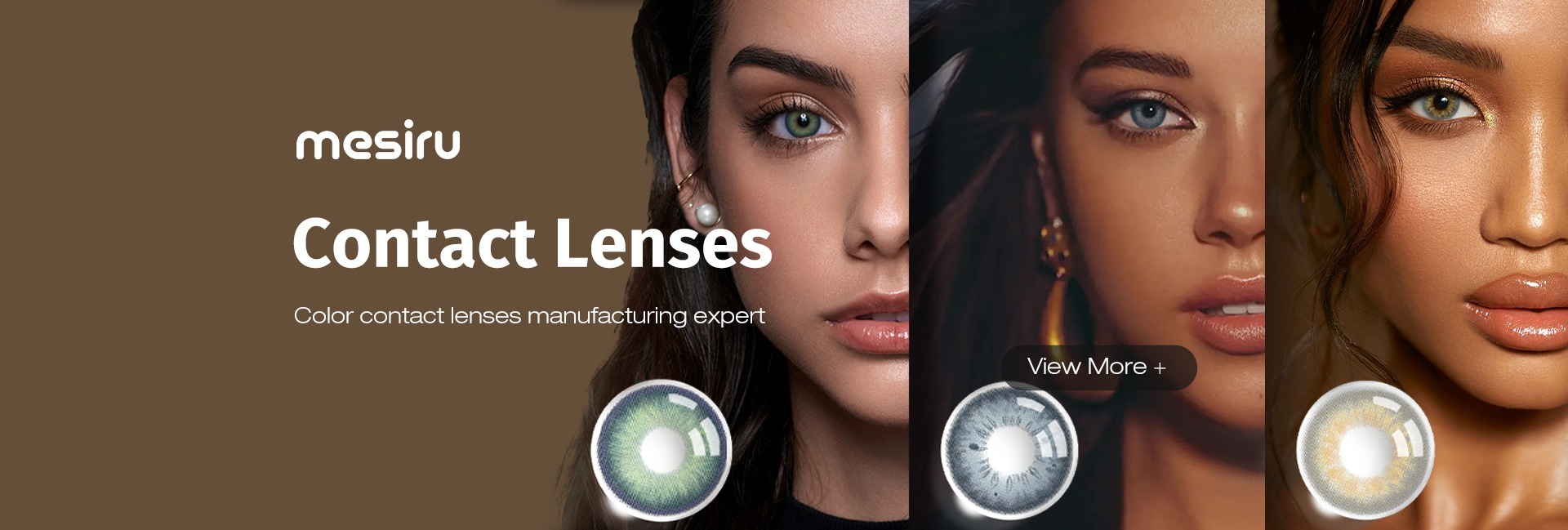
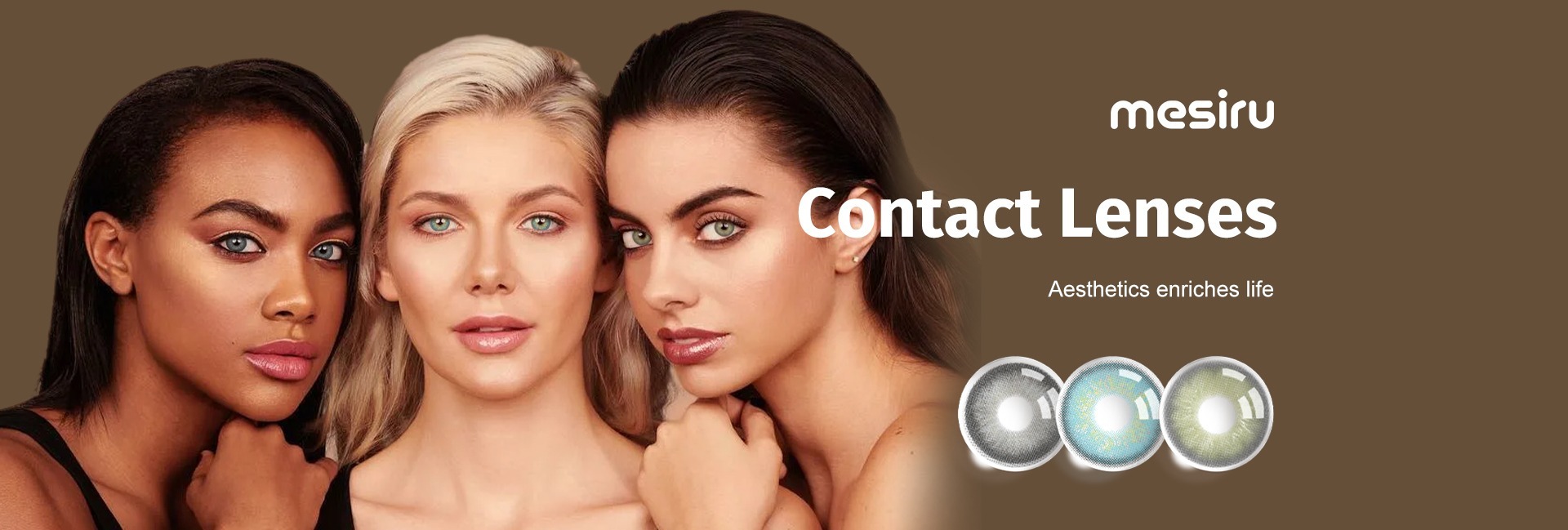
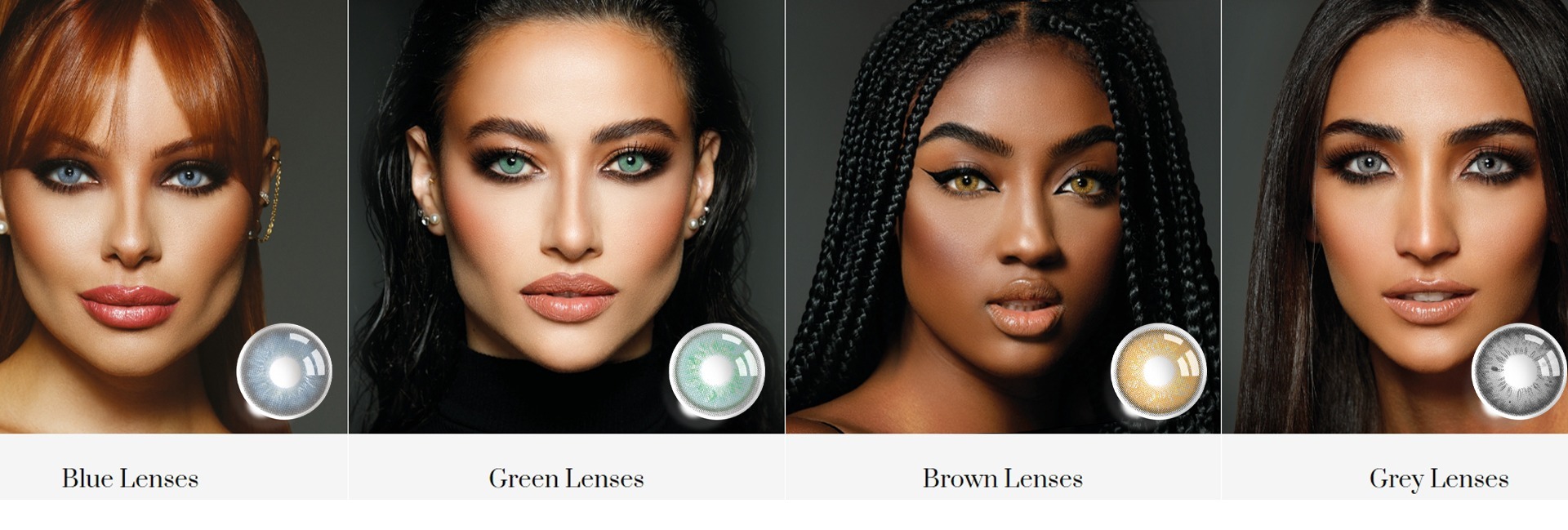
Top Trusted Contact Lens Factory Zhejiang Manufacturers & Exporter

Precision Engineering, ISO 13485 Certified Cleanroom Production & Full EU MDR / FDA Export Compliance

Direct OEM/ODM Catalog

Engineered Contact Lenses & Optical Ancillary Instruments

Precision ocular prosthetics, cosmetic color lenses, and specialized clinical accessories engineered under Class 100,000 cleanroom environments for tier-1 distributors worldwide.

Custom Astigmatism Toric Color Contact Lens Manufacturing

Custom Toric & Astigmatism Color Contact Lenses

Prism ballast and dynamic stabilization design | Customized cylinder and axis parameters for vision correction.

Inquire Now
3,000+
Export-Ready Active SKUs
100%
Automated Optical Inspection
ISO13485
Medical Device QMS Certified
3-7Days
Warehouse Dispatch Turnaround
Factory Architecture

Enterprise Strengths: Advanced Cleanroom & Regulatory Infrastructure

Bridging Chinese supply chain velocity with stringent international compliance frameworks to safeguard global brands and optical retailers.

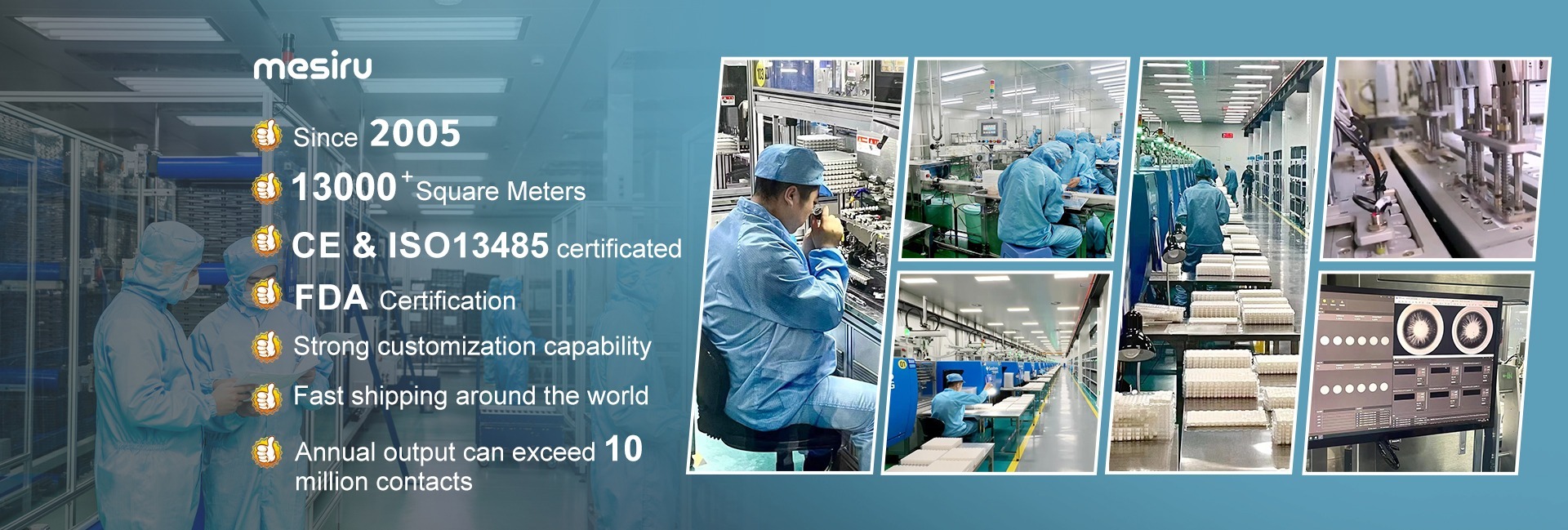
Class 100,000 Cleanroom Engineering

Our manufacturing plant operates under positive pressure Class 100,000 cleanroom environments. Automated continuous temperature, humidity, and airborne particulate monitoring eliminates cross-contamination risks across monomer blending, polymer reaction, and cast injection lines.

Zero-compromise microbial boundary control.

Patented Sandwich Pigment Encasement

Cosmetic colorants pose high biocompatibility hazards if exposed directly to ocular tissues. Our proprietary tri-layer encapsulation locks organic color micro-particles entirely within HEMA polymers, ensuring the dye layer never comes into physical contact with the corneal epithelium.

100% color fastness and corneal safety guarantee.

EU MDR Annex XVI & US FDA Ready

Whether producing plano cosmetic wear or refractive correction lenses, our production dossiers comply with the stringent requirements of EU MDR 2017/745 (specifically Annex XVI for non-corrective colored lenses). We provide full technical documentation, Declaration of Conformity, and bio-test files.

Complete batch traceability on every blister foil.

Industry Whitepaper

Technological Evolution & Next-Generation Contact Lens Trends

How cutting-edge material science and precision optical design are transforming the global contact lens manufacturing landscape.

Transition to High-Dk Silicone Hydrogel Polymers

The historical trade-off in soft cosmetic lenses has been oxygen transmissibility (Dk/t) versus water content. Traditional HEMA hydrogels typically yield Dk values around 8.5 to 15, causing potential peripheral hypoxia during extended wear.

The manufacturing paradigm is shifting toward third-generation silicone hydrogel monomers with fluorinated macromers. These systems allow oxygen permeability rates exceeding 80–120 Dk/t while preserving low modulus flexibility. Factories in Zhejiang are aggressively modernizing tooling to handle silicone plasma surface modifications, eliminating wettability decay.

High-Precision Digital Laser Engraving & Aspheric Curvature

Traditional pad printing often yields slight edge blurring or misaligned pupil optical zones. Next-generation production plants use sub-micron digital laser etching on nickel-plated master steel pins.

This allows 3D biomimetic iris printing that replicates authentic ocular depth (radial striations, collarette variations, and pupillary limbus gradients). Additionally, back surfaces are shifting to true multi-aspherical geometry to dramatically reduce spherical aberration, giving crisp, high-contrast vision even in dim ambient conditions.
Procurement Roadmap

Strategic Sourcing Shifts: Future Outlook for B2B Importers

How institutional procurement officers and optical enterprise executives are hedging supply chain volatility while meeting consumer sustainability demands.

Agile MoQ & Fast SKU Iteration

Brands no longer accept rigid 50,000-unit minimums per SKU. Omnichannel retailers, TikTok Shop merchants, and direct-to-consumer platforms demand flexible MOQs (e.g., 500–1,000 units per shade) combined with short production cadences.

Suppliers in Zhejiang excel at modular cast setups, allowing mixed-shade runs that reduce inventory holding costs and minimize dead-stock hazards.

Full Traceability & Eco-Packaging

EU packaging directives and US state regulations are enforcing rigorous restrictions on single-use plastics. Buyers now mandate biodegradable secondary carton stocks, non-PVC blister bases, and reduced-aluminum peeling foils.

Simultaneously, GS1-standard 2D data matrix codes are increasingly required on each individual foil blister to trace monomer lot, sterilization chamber cycle, and expiry date.

Expansion into Toric & Presbyopia Markets

The cosmetic lens sector was historically dominated by 0.00D plano fashion buyers. Today, clinical demand has surged: over 32% of vision-corrected consumers have astigmatism (cylinder ≥ -0.75D).

Procurement teams are prioritizing OEM manufacturers capable of producing stable toric color lenses and multifocal gradient optics, capturing high-margin optical retail segments.

Parameter Hydrogel (HEMA Standard) Silicone Hydrogel (SiHy Advance) Clinical & Supply Implication
Oxygen Permeability (Dk) 8.5 – 15 Dk 65 – 125 Dk SiHy enables continuous 12+ hour wear without limbal hyperaemia.
Water Content Range 38% – 45% (Balanced) 33% – 48% (Structural) Lower water in SiHy prevents desiccation dry eye in air-conditioned offices.
Modulus (Stiffness, MPa) 0.3 – 0.5 MPa 0.6 – 0.9 MPa HEMA offers ultra-soft drape; SiHy provides easier insertion & tactile handling.
Color Encapsulation Layer Tri-layer Cast Film Surface-grafted Matrix Zero pigment exposure; validated via ISO 10993 cytotoxicity assays.
Typical Factory Lead Time 15 – 25 Days 30 – 40 Days Hydrogel offers faster turnaround; SiHy requires specialized curing extraction.
Procurement Guide

Frequently Asked Questions: Global Sourcing & Quality Control

Critical operational answers for procurement directors, regulatory consultants, and private-label brand managers.

How do Zhejiang factories ensure color pigment stability without leaching?

We implement a strict sandwich encapsulation technique. Rather than printing dyes on the outer lens surface, medical-grade, non-toxic cosmetic micro-pigments are cast directly between internal hydrogel layers. Each lot undergoes accelerated salinization and thermal wash tests to ensure zero dye elution into the tear film.

What documentation is required to clear EU Customs under EU MDR Annex XVI?

Under Medical Device Regulation (EU) 2017/745 Annex XVI, even non-corrective cosmetic lenses are categorized as medical devices. Importers must receive the manufacturer's CE Certificate issued by an accredited Notified Body, Declaration of Conformity (DoC), ISO 13485:2016 certificate, Summary of Technical Documentation (STED), and country-specific multilingual IFUs.

Can we develop custom prescription ranges (Myopia and Toric) within the same OEM order?

Yes. Our cast molding system supports combined batches consisting of plano (0.00) cosmetic lenses, standard spherical powers (-0.50D to -8.00D in 0.25D increments), and specialized custom toric molds (with cylinder steps down to -2.25D and axis positioning from 10° to 180°). This allows our partners to provide a comprehensive catalog.

What is the standard production cycle and air/sea dispatch lead time?

For existing stock designs with private-label outer cartoning, turnaround is 7 to 12 working days. Custom cast-molded colors and tailored diopters require 25 to 35 working days, including the mandatory 14-day biological sterility quarantine and validation. We support DDP, DAP, and FOB air-freight arrangements directly to regional distribution centers.

Ready to Scale Your Contact Lens Product Line?

Consult with our senior optical engineers for OEM/ODM formulations, compliant packaging mockups, and bulk manufacturing pricing.

Inquire Now