High-Velocity Recommended Product Lines
Engineered for high-volume optical distributors, pharmaceutical chains, e-commerce cosmetic retailers, and vision-care brands requiring pristine optical acuity, micro-pigment biocompatibility, and turn-key regulatory dossiers.
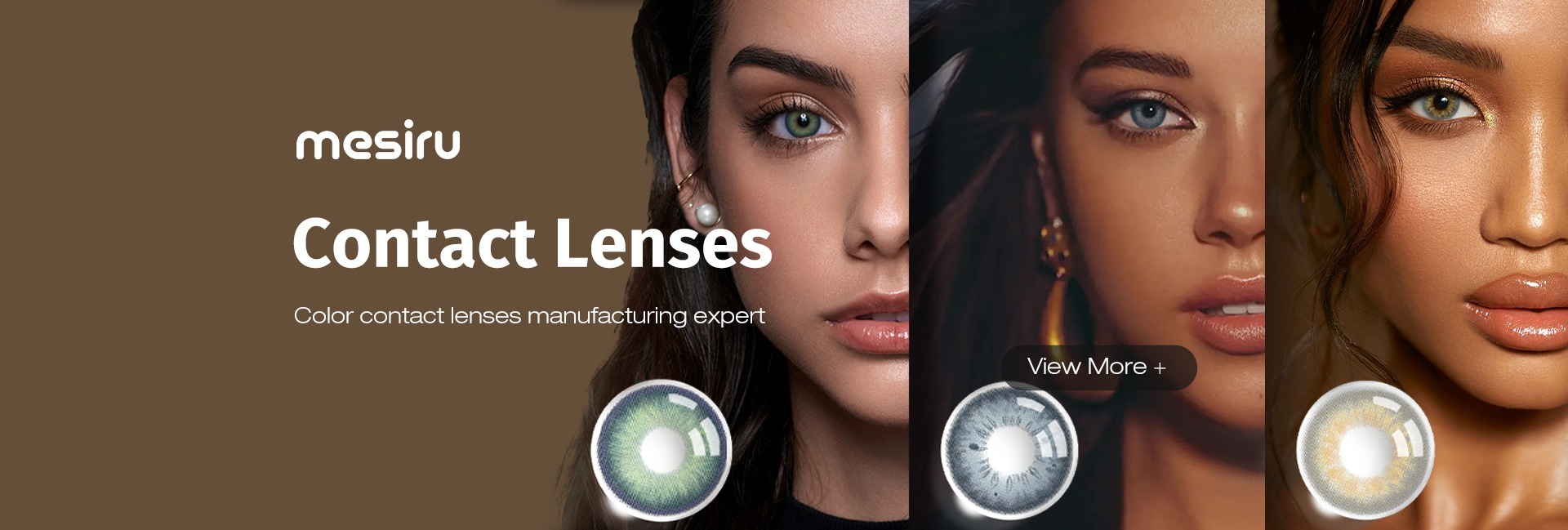
R2 Aier Blue Optical Micro-Dot Iris Lens
Precision cast-molded cosmetic hydrogel featuring encapsulated dual-chromatic blue tone transitions with ultra-smooth limbal demarcation.
Product Details
R1 Germanic Green High-Permeability Lens
Optimized natural earth pigment with embedded sandwich technology prevents corneal friction while enriching dark brown irises.
Product Details
R3 God Gray Multi-Tone Contrast Lens
Subtle cool-toned gray formulation targeting European optical boutiques looking for refined everyday wearable cosmetics.
Product Details
R8 Opera Green Radiant Contrast Edition
Three-layer chromatic dispersion yielding extraordinary optical brilliance under studio lighting and daylight retail conditions.
Product Details
K16 Taylor Brown Warm Gradient Lens
Specially formulated honey-chestnut gradient designed for deep iris coverage with minimal light scattering and high oxygen transmissibility.
Product Details
Custom Wooden Contact Lens Packaging Boxes
Luxury natural-finish wooden outer shell with molded interior lining engineered for prestige brand launches and retail gift packaging.
Product Details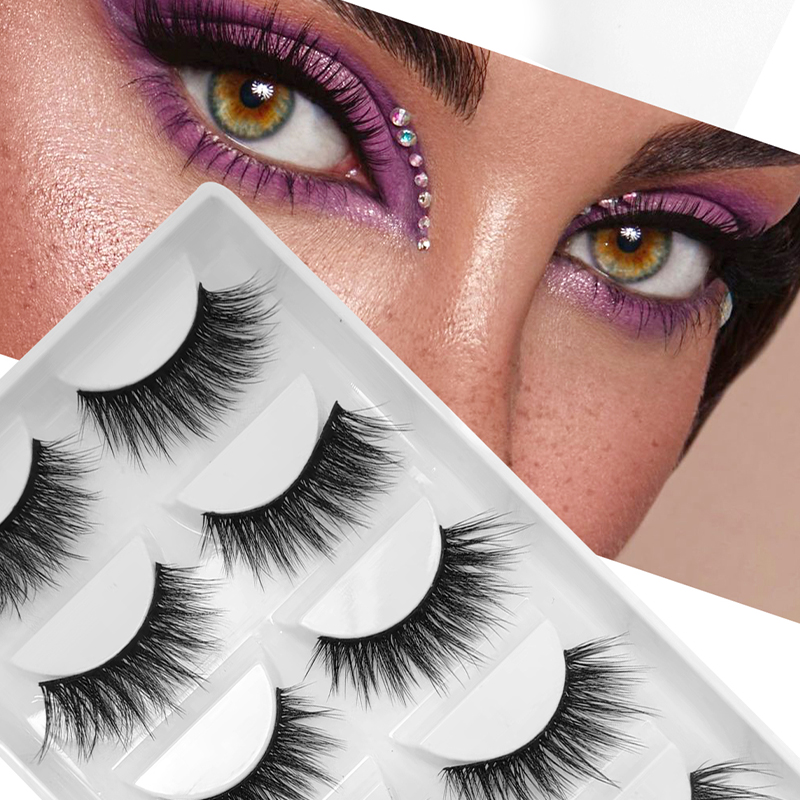
Private Label Full Strip Eyelash Sets
Factory-direct wholesale cosmetic lash bundles designed to accompany contact lens distributor kits for elevated retail margins.
Product Details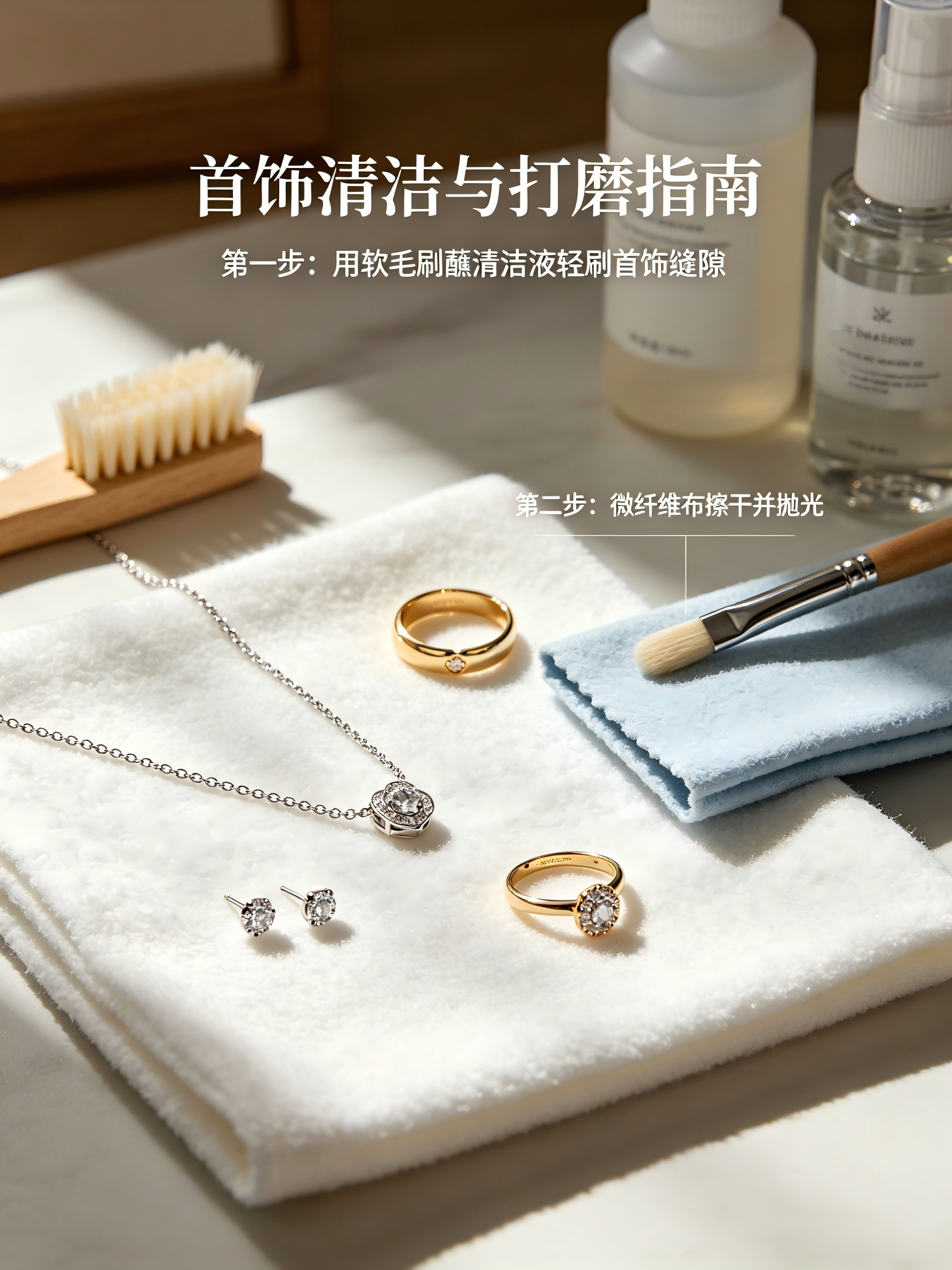
Special Ultrasonic Polishing & Cleaning Tools
High-frequency ultrasonic cleaning tools designed for micro-accessory deoxidation, jewelry, and precision case hygiene maintenance.
Product DetailsWhy Tier-1 Importers Source From Our Factory
Shenzhen Mesirulens Technology Co., Ltd. combines pharmaceutical-grade polymer chemistry with high-throughput cleanroom manufacturing, ensuring your supply chain eliminates compliance friction and customer return volatility.
EU MDR Annex XVI Aligned
Non-corrective cosmetic lenses are categorized as medical devices under European MDR (EU) 2017/745 Annex XVI. We supply verified Technical Documentation files, Declarations of Conformity, and compliant Instructions for Use (IFU).
Sandwich Bio-Encapsulation
Our proprietary cast-molding seals pigment granules hermetically between two hydrogel layers. Color pigments never contact the corneal endothelium, mitigating conjunctivitis risks and guaranteeing 100% color fastness.
Full Private-Label Agility
From custom primary blister foil sealing to multi-lingual carton lithography, barcode generation, and boutique unboxing kits, our in-house design and prototyping team accelerates your product go-to-market cycle down to 15 days.
Complete Traceability System
Every individual lens blister is laser-etched with unique batch codes, sterile lot identifiers, and expiration dates. Backed by ISO 13485 standards, our audit trail guarantees end-to-end accountability from monomer batch to retail shelf.
Technological Frontiers: Contact Lens Product Development Trends
As the line between ophthalmic health and aesthetic enhancement blurs, global contact lens manufacturing is undergoing a structural transformation driven by biomaterial synthesis and optical precision.
1. The Paradigm Shift to Advanced Silicone Hydrogel Formulations
Historically, cosmetic contact lens production was dominated by conventional Poly-HEMA (2-hydroxyethyl methacrylate) hydrogels due to their mechanical flexibility and ease of tinting. However, standard hydrogels feature limited oxygen permeability (transmissibility ranges of Dk/t 15–25), which can induce sub-clinical corneal hypoxia during extended wear schedules exceeding 8 hours.
The contemporary vanguard of manufacturing belongs to third-generation fluoro-silicone hydrogels. By formulating siloxy macromers with hydrophilic monomers like N-vinylpyrrolidone (NVP) without relying on artificial surface coatings, our engineering laboratory achieves a Dk/t coefficient exceeding 85 to 110 Barrers/cm. This breakthrough ensures physiological oxygenation comparable to natural non-lens conditions, drastically reducing limbal hyperemia while preserving vivid cosmetic iris pigmentation.
B2B Technical Takeaway: Importers transitioning their portfolio toward Silicone Hydrogel cosmetic lines can command 35% to 55% higher retail price points while substantially decreasing consumer complaints regarding dryness, peripheral staining, and end-of-day discomfort.
2. Sub-Micron Biomimetic Iris Architecture via Multi-Pass Jet Dispersion
Early decorative lenses suffered from flat, pixelated appearance caused by rudimentary pad-printing matrices. Next-generation production implements high-resolution micro-dot jet dispersion operating down to 1200 DPI resolution. These systems deposit layered pigments in stochastic, radial-spoke formations that replicate the human stroma, collarette, and pupillary margin.
By pairing multi-depth micro-channels with variable translucency gradients, our designs harmonize with the wearer's authentic eye color rather than merely masking it. The outcome is the natural "nude makeup" aesthetic currently commanding the European and North American retail landscape.
3. Photoprotective & Bio-Sensing Smart Lenses
Product innovation has expanded beyond pure refractive or cosmetic properties into ocular defense. Modern clinical buyers demand Class 1 UV-blocking matrices that absorb >90% UVA and >99% UVB radiation according to ISO 18369 standards. In addition, our R&D pipeline integrates selective High-Energy Visible (HEV) blue-light filtering compounds directly into the monomer blend, shielding the macula from prolonged digital display exposure without inducing color skew in peripheral vision.
Future Sourcing Trends for Global Importers and Optical Brands
Sourcing strategies are rapidly pivoting from low-cost spot purchases to high-compliance, digitally coordinated contract manufacturing partnerships.
Micro-Batch SKU Diversity
Rather than committing to single-color production runs of 50,000 units, modern brands are leveraging agile OEM factories offering mixed-palette orders (e.g., 500 units per color across 20 distinct shade variants). This agile MOQ paradigm allows e-commerce sellers to capture viral TikTok and Instagram color trends without inventory overexposure.
Turnkey Compliance Outsourcing
With national regulatory bodies aggressively scrutinizing cosmetic imports (such as ANSM in France, BfArM in Germany, and the US FDA), buyers no longer accept ambiguous certificates. Importers now contract suppliers who act as regulatory extensions, supplying localized labelling, authorized European Representative (EC REP) integration, and UDI (Unique Device Identifier) barcode formatting.
Ecosystem & Cross-Category Kits
B2B margins multiply when contact lenses are bundled with certified multipurpose contact lens disinfecting solutions, portable antibacterial traveling cases, and eye-contour accessories. Procuring these complementary SKUs under a single consolidated factory shipment optimizes container load factors and streamlines customs clearance.
Technical Comparison: Contact Lens Manufacturing Methodologies
Selecting the appropriate production method directly influences dimensional repeatability, edge comfort, and margin profile. The table below delineates the structural differences across contemporary manufacturing protocols used in our facilities:
| Manufacturing Parameter | Full Cast Molding (Our Core) | Spin Casting (Legacy Method) | Lathe Cutting (Custom Toric/RGP) |
|---|---|---|---|
| Dimensional Repeatability | Extreme (±0.01 mm tolerance) | Moderate (±0.05 mm tolerance) | High (±0.02 mm tolerance) |
| Pigment Encapsulation | Integrated Sandwich Matrix | Surface printing required | Surface bonded / Post-tinted |
| Edge Profile Smoothness | Ultra-smooth tapered contour | Variable parabolic edge | Mechanically polished profile |
| Production Scalability | Up to 2,000,000 lenses / month | High volume, poor customization | Low volume, labor intensive |
| Unit Production Cost | Highly competitive for B2B brands | Low, but high scrap rates | High unit economic barrier |
Frequently Asked Questions for B2B Importers & Brands
Clear, unvarnished guidance on regulatory compliance, production thresholds, custom tooling, and global cold-chain logistics.